Low minimum order clothing manufacturing, your specification
Made to your tech pack, fabric and colours by a factory matched to the order.
Private label
Your main label, care label, hangtag and polybag. Nominated trims accepted.
A minimum order is not a factory's whim. Fabric is dyed by the lot and sold by the kilogram or metre, trims come in supplier runs, and a sewing line needs time on one style to reach working speed. A low minimum order clothing manufacturer in Bangladesh works inside those limits, so a small first run is planned around them.
Garments Hub BD sends your range with its fabric, colour and size plan, so each factory states its minimum per style and colour against the same plan and any style that falls short shows on the sheet. A range that cannot reach any factory's minimum hears so plainly.
Routes to a low minimum order
Private label on a stock body
A garment the factory already makes, finished with your labels and packaging. The lowest floor of any route, because pattern, cloth and fit exist; the trade off is a body other brands can buy too.
ODM on a factory block
The factory's pattern changed in cloth, colour or detail. It sits between a stock body and your own pattern, and suits a brand with a clear look but no tech pack yet.
OEM on stock fabric
Your own pattern cut from cloth a mill already holds in stock colours. There is no dye lot to fill, so the floor follows the sewing line rather than the dye house.
OEM in a custom shade
Your pattern in your own colour. A custom shade means a dye lot of its own, often a few hundred kilos of knit or more than a thousand metres of woven, which sets the floor per colour.
Blanks plus decoration
Ready blank tees or hoodies printed or embroidered for your brand. The lowest commitment on cloth, though every blank colour still comes out of someone's dye lot.
Planning a range for a low minimum order clothing manufacturer in Bangladesh
- One fabric across styles
- Cut a tee, a long sleeve and a tank from one jersey, or a shirt and a dress from one poplin. The fabric minimum is then shared instead of repeated.
- Fewer colours, full sizes
- Two or three colours across the full size run reach a minimum sooner than six colours in a few sizes each, because sizes inside one colour count together.
- Stock colours and fabrics
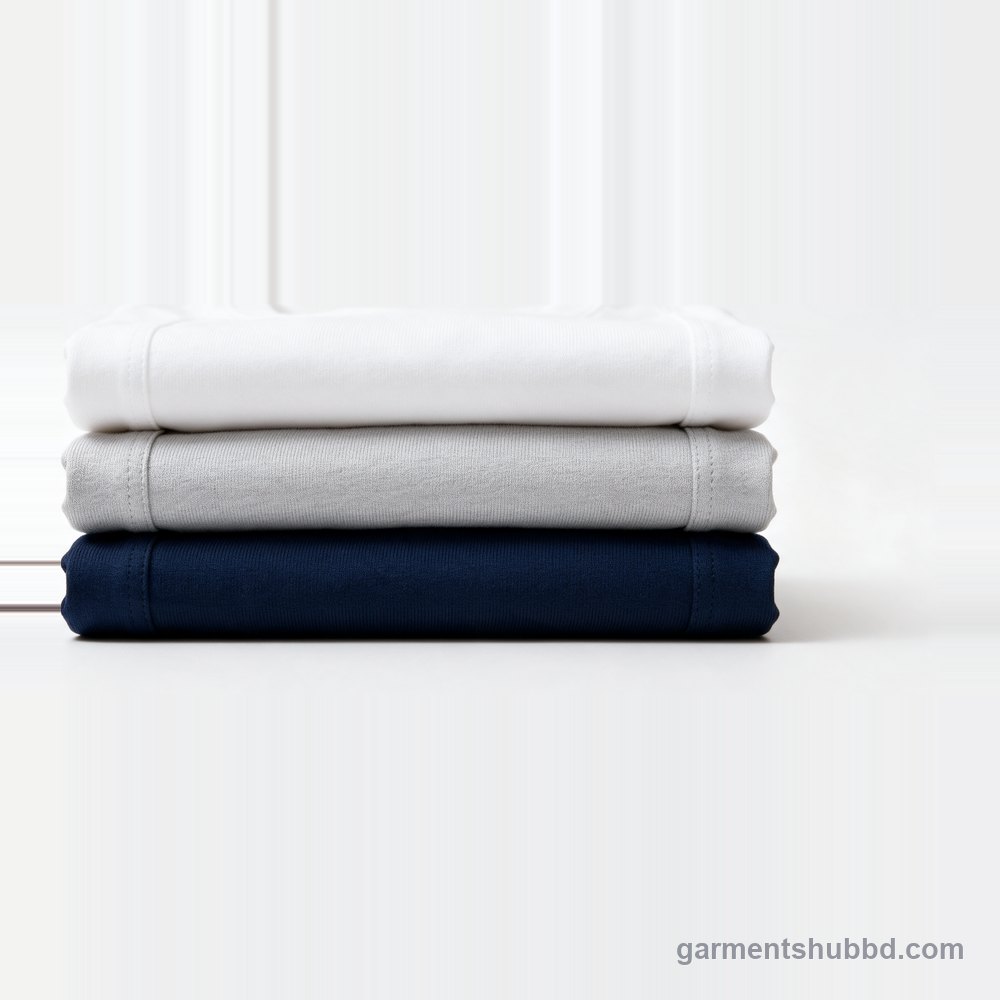
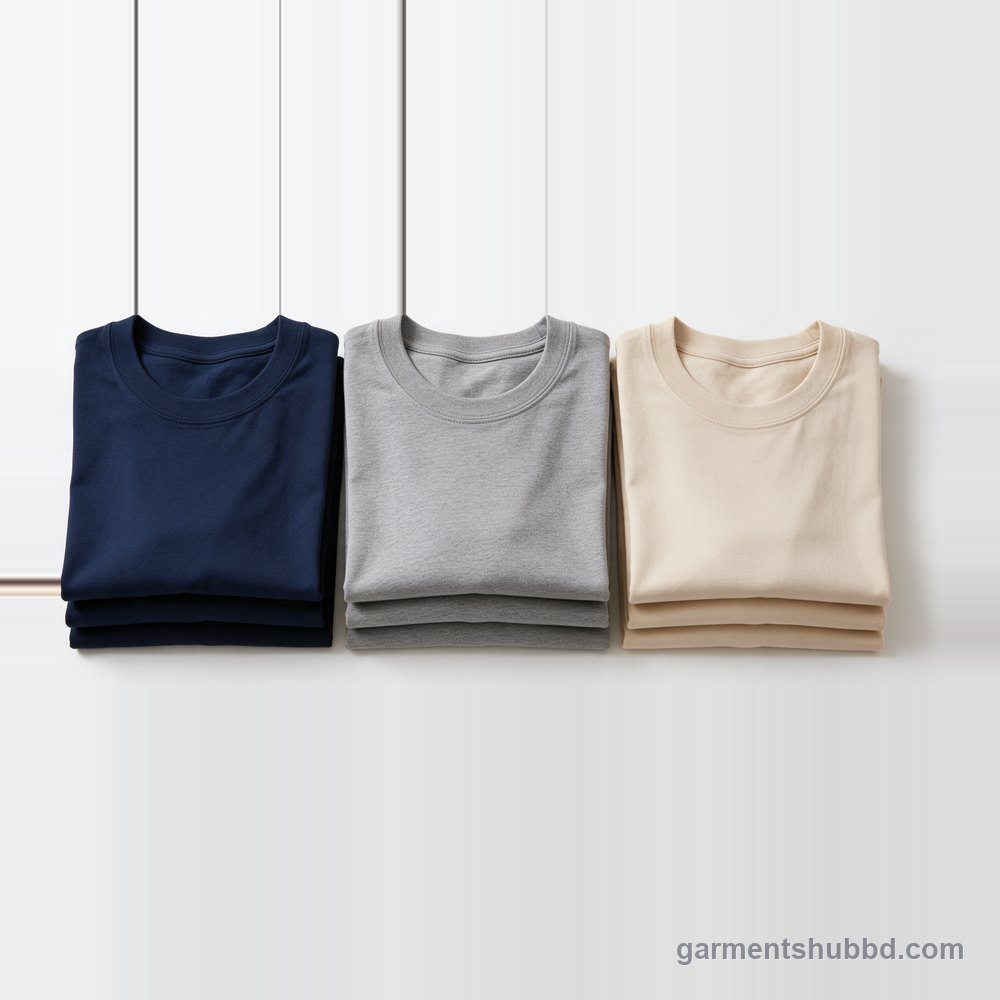
- Ask which shades the mill or factory already holds. A stock black, white, navy or grey marl avoids a dye lot of your own.
- Trims without minimums
- Stock buttons, standard zips and printed rather than woven labels avoid trim minimums that can outweigh a small garment run.
- Sets and multipacks
- State how sets and packs are made up. A two piece set in one fabric is usually counted as one style, while a three pack in three colours counts each colour.
- Garment type
- Knit tees and fleece usually sit lowest, woven shirts and trousers higher, and washed denim and sweaters higher again, set by wash loads and yarn lots.
Tests and rules that still apply to a small order
- ISO 2859-1
- The AQL sampling tables. On a small lot the sample is a larger share of the order: a lot of 281 to 500 pieces draws 50 at general inspection level II.
- FTC Care Labeling Rule (16 CFR 423)
- A small US order needs the same permanent care label as a large one. Printed labels in stock formats meet it without a woven label minimum.
- Regulation (EU) No 1007/2011
- Fibre names and composition on every garment sold in the EU, at any run size, in the language of the country of sale.
- US CPSIA
- Children's products for age 12 and under need third party testing at a CPSC accepted laboratory and a Children's Product Certificate, a fixed cost that weighs heavily on a small run.
What moves the price of a low minimum order
- Fabric bought from stock, at a higher price per metre or kilo than a mill run.
- Small order surcharges where a style falls just under a factory's minimum.
- Sampling, which costs the same for a small run as for a large one.
- Trims bought above need when the supplier's minimum exceeds the garment run.
- Tests and set up charges, which spread over fewer pieces on a small run.
Lead time for low minimum order clothing manufacturing
A small run does not move much faster than a large one, because most of the time sits in sampling, fabric and trims rather than sewing. Stock fabric and stock trims shorten the wait; a custom shade or woven labels add their own making time. Sample rounds take as long as on any order. Plan the launch from the first sample, and the quote shows each step.
What we check in low minimum order clothing manufacturing
- Size and colour countPacked quantities per size and colour are counted against the order, since a small run has no spare pieces to cover a shortfall.
- Shared fabric shadeStyles cut from one shared fabric are compared for shade together, as they are sold side by side.
- Stock label textPrinted or stock labels are checked for size, fibre content and care text, which slip easily when labels come from stock.
- Set and pack make upSets and multipacks are opened at random and checked for the right pieces, sizes and colours in each pack.
Questions buyers ask about low minimum order clothing manufacturing
What is the smallest order a factory will take?
It depends on what has to be bought for it. A stock body needs only sewing time, so it carries the lowest floor; your own pattern on stock fabric adds a marker and a fit sample; a custom shade adds a dye lot, the largest single commitment, so it sits highest. Each factory's figure for your styles comes back on the quote sheet, so compare routes before committing.
What does a first production run cost in samples?
Plan on a proto, a fit sample, a lab dip for each custom colour and a PP sample for each style, with a second fit round if the first misses. Each sample's cost is listed on the quote and, on most runs, credited back against the bulk order.
Can different styles share one minimum?
Often in part. When styles share a fabric and colour, the fabric minimum is shared, usually the hardest part to reach. Sewing is still counted per style, at a lower figure than a dye lot, so a tee, a long sleeve and a tank in one jersey can reach together what none would alone.
What is not possible on a small first order?
A custom shade in a few dozen pieces, yarn dyed stripes woven for you, a custom knitted rib, or rotary printed fabric in short metres. Each needs a mill run far beyond a small garment order. Choose stock colours, stock stripes or digital print, and keep custom work for later orders.
Get a quote for low minimum order clothing manufacturing
Tech pack or sketch with quantities per colour. A compared quote in 48 hours.