Kids wear, your colours
Lab dips matched to your standard before bulk dyeing. Tap a shade.
Private label
Your main label, care label, hangtag and polybag. Nominated trims accepted.
Childrenswear is the category where the rules are strictest and the tolerance for a mistake is smallest. A cord at the neck, a loose press stud, a dye that is not certified, and the shipment is stopped at the border rather than argued about on the phone. This page covers the kids wear we source, the fabrics the bench runs, and what to send us for a price in 48 hours.
We are a sourcing desk in Dhaka. We do not own a factory. Your enquiry goes to two knit plants from our bench that already run childrenswear, you get both quotes with our read on which suits the order, and our own person is on the floor for the inline and the final inspection.
Kids wear types we source
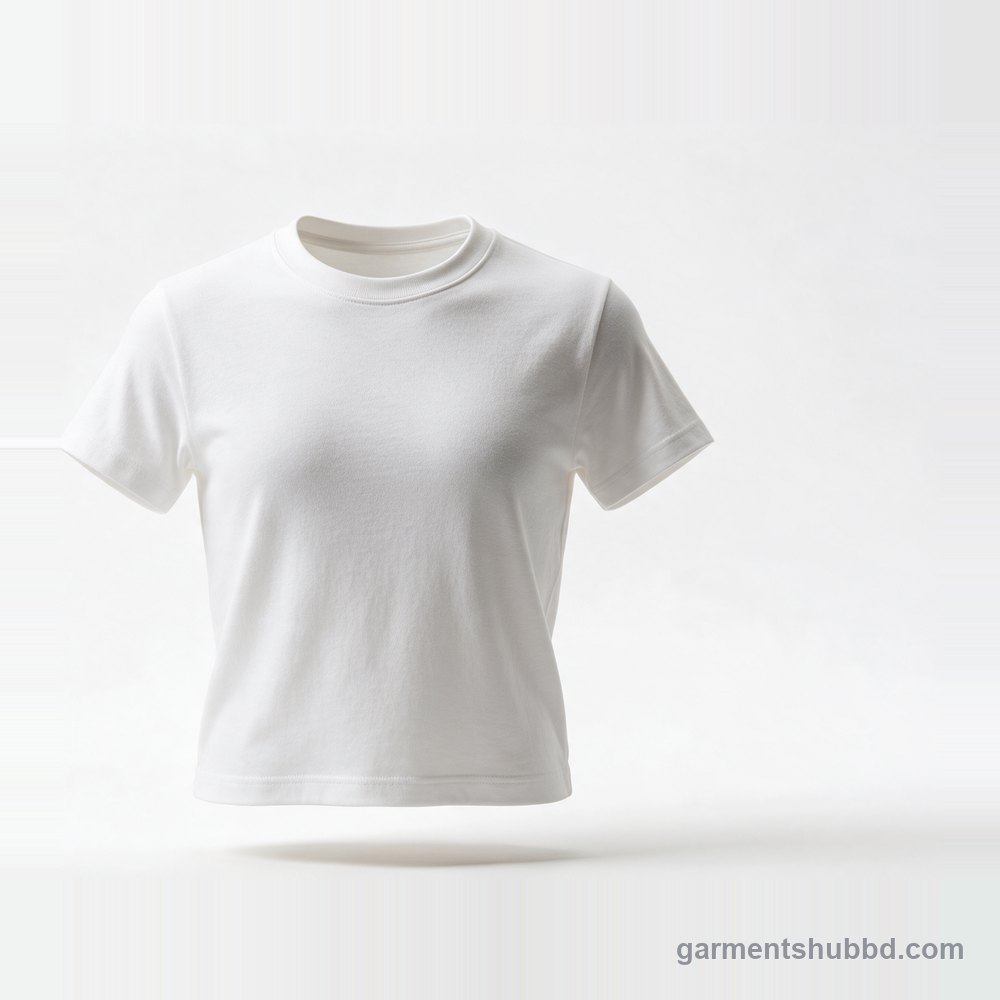
Kids T-shirt
Combed cotton single jersey, 140 to 180 GSM, rib neck with a taped back neck. On the smallest sizes add an envelope neck or a shoulder press stud, because a toddler head does not go through an adult neckline.
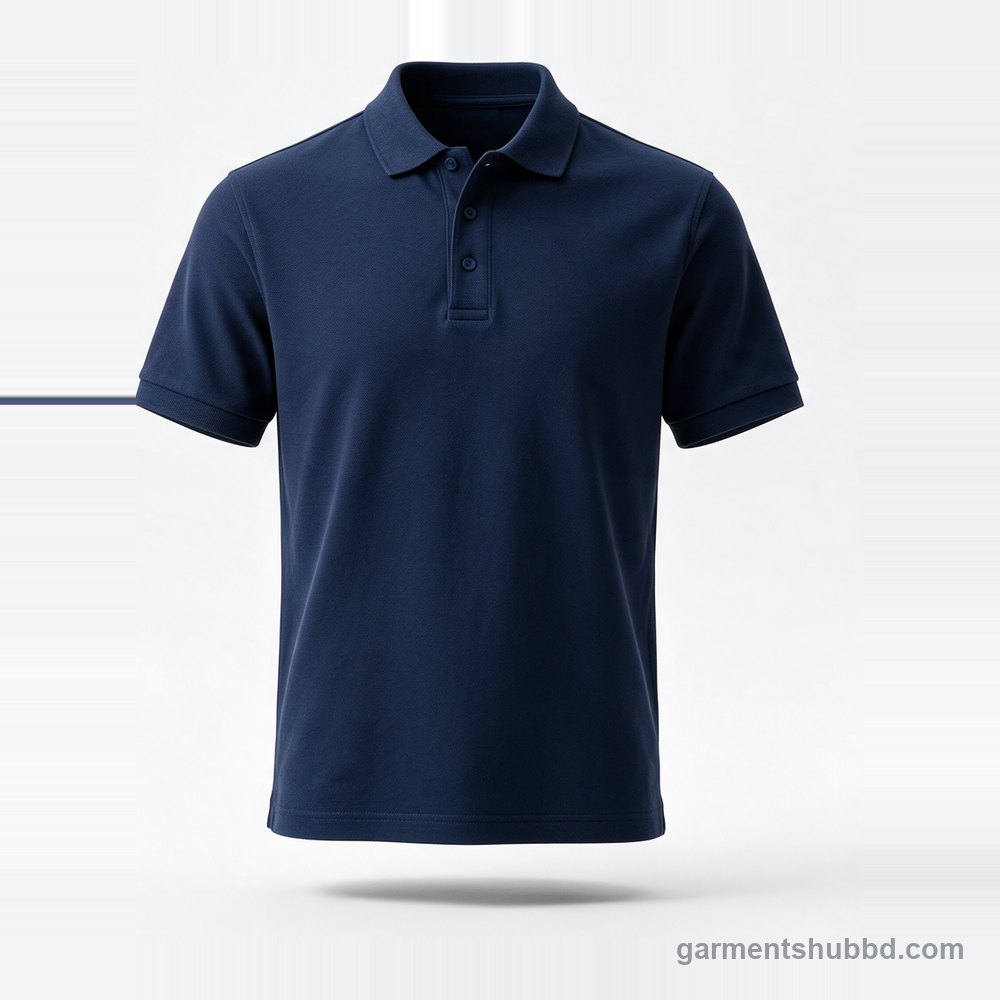
Kids Polo Shirt
Cotton pique, 180 to 200 GSM, two button placket, rib collar and cuff. The everyday item in a school or smart casual range.
Kids Hoodie
Brushed back fleece, 260 to 320 GSM, kangaroo pocket, rib cuff and hem. No drawcord in the hood on childrenswear, and say the age band in the enquiry so the plant builds it right rather than removing a cord later.
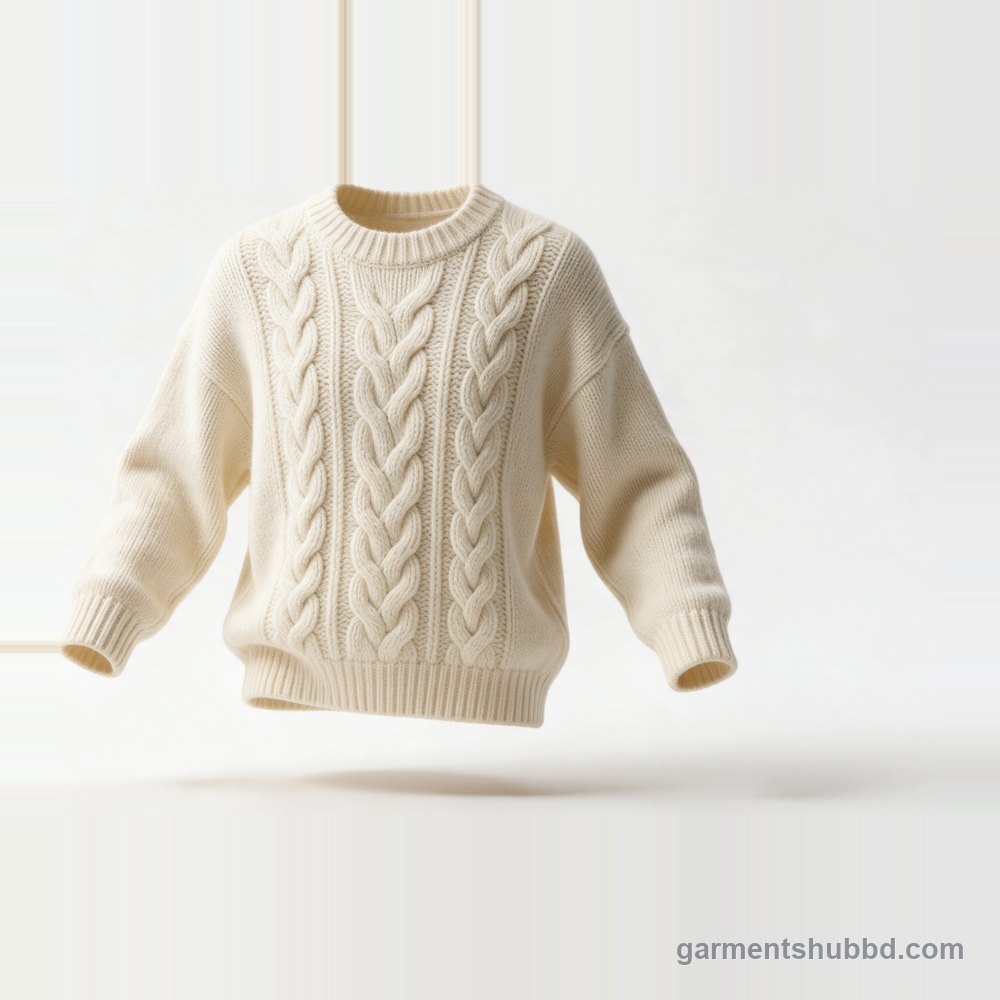
Kids Sweatshirt
The same fleece without the hood, rib collar. Cheaper, faster and the safer build for the youngest band.
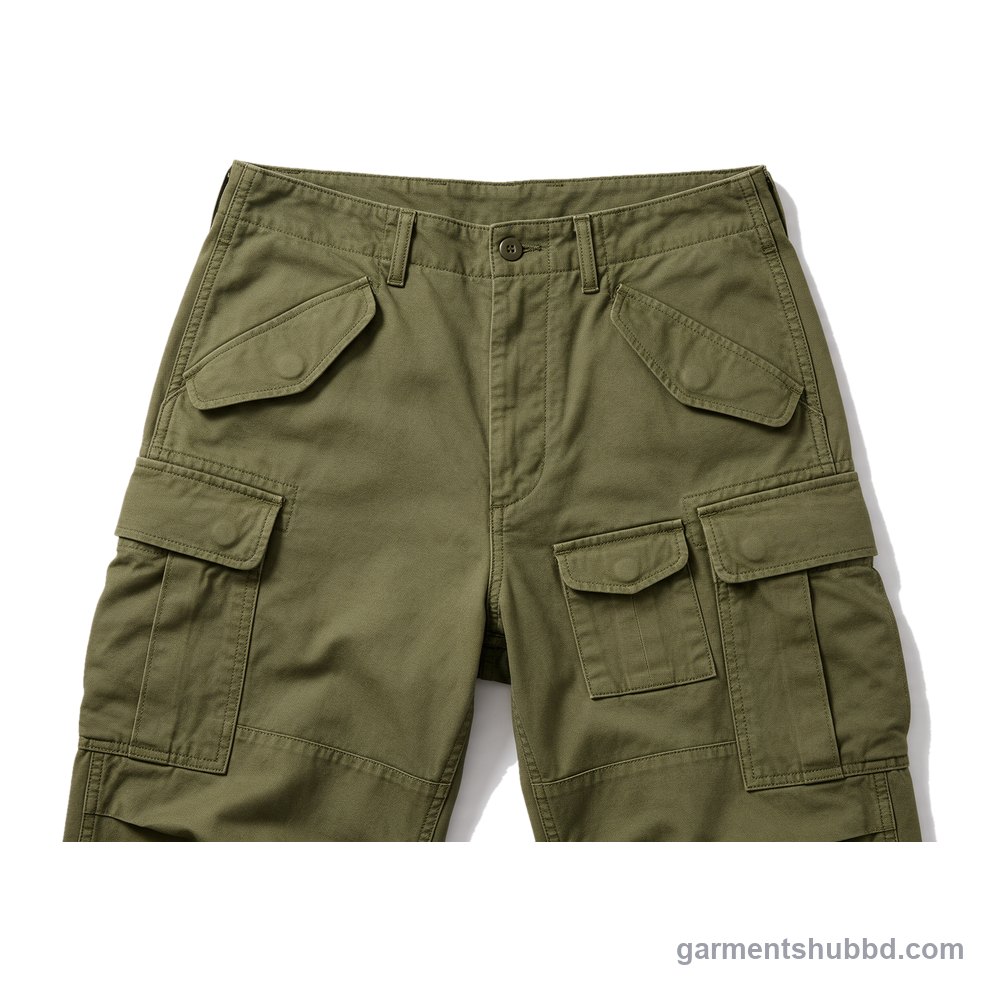
Kids Trouser
Cotton twill or jersey jogger, elastic waist with a flat inner drawcord only where the age band allows it, reinforced knee on anything sold for school.
Kids Shorts
Jersey or woven twill, elastic waist, side pockets optional. Call out the inseam, because the same age takes very different lengths in different markets.
Baby Romper
Cotton interlink or jersey, 180 to 220 GSM, press studs at the crotch and shoulder, flat seams throughout. The stud count and the stud brand belong in the spec, because stud pull strength is tested.
Kids Set
Two or three pieces quoted and packed together. Price it as a set, grade it as separate garments, and agree the pack ratio early because it drives the polybag and carton spec.
Fabric, and what changes because it is for a child
The fabric decisions are the same as adult knitwear with two differences. First, everything next to skin should be combed rather than carded cotton, because carded cotton is rougher and a parent notices. Second, the dye and finish have to be certified for the age band in your market, which in practice means OEKO-TEX Standard 100 product class I for anything sold for under three years.
Flat seams matter more than they do on adult product. A ridged overlock seam on a baby garment is a complaint. Ask for flatlock or a bound seam at the shoulder and crotch.
Sizing is by age and by height and the two do not agree across markets. Tell us the market and the age or height band you sell in, and send the chart rather than the band names.
Safety, stated plainly
Childrenswear carries rules that are not negotiable and not the factory's job to guess:
- Cords and drawstrings at the neck are prohibited in the younger bands in the EU and the UK, and restricted at the waist and hem. Say the age band and the market.
- Small parts and pull strength on studs, buttons and appliques are tested to a stated force.
- Flammability applies to nightwear in several markets and is a fabric property, not a sewing one.
- Restricted substances are covered by the dye and finish certification, not by the garment maker.
Send us the market and the age band with the enquiry. We will only quote plants that can supply the reports, and the reports come attached to the quote rather than promised after the order. If a style you have drawn cannot be made compliant for the band you are selling to, we will tell you at the quote and suggest what to change.
Sizing and grading
Send your size chart with the age or height band, chest, waist, body length, sleeve length and inside leg, plus the tolerance you accept. Childrenswear grades quickly, so the difference between bands is proportionally larger than in adult sizing and an error shows up immediately.
We measure the pre production sample in the smallest band, the sample band and the largest band and send you the numbers before bulk cutting starts. On baby product we also ask for the neck stretch measurement, because a neckline that passes on the table can still fail on a head.
Quality control
Inline inspection while the line runs. Final inspection to AQL 2.5 unless your standard differs, with the photo report before the goods move. On kids wear we check neck stretch and recovery, stud and button pull strength on every sampled garment, seam type at the shoulder and crotch, absence of any restricted cord for the band, label placement and fibre content accuracy, and shade continuity between dye lots.
Compliance differs by plant. The factories on our bench hold different combinations of BSCI, Sedex, WRAP and OEKO-TEX. For childrenswear the OEKO-TEX class matters, so tell us the age band and we will only quote plants that hold the right one, with the certificate attached.
What to send with your enquiry
- The market and the age or height band, because the safety rules follow from those
- Fabric by blend and weight, or a swatch to match
- Size chart with quantity per band, and your tolerance
- Neck opening, stud positions and seam type for the youngest sizes
- Print or embroidery artwork with Pantone references
- Pack ratio if it is a set or a multipack
- Quantity per colour, your target price and your ship date
Minimum order starts from 300 pieces per colour. Two factory quotes in 48 hours, sample in 7 to 14 days, bulk in 30 to 60 days after the pre production sample is signed, FOB Chattogram.
Get a quote for kids wear
Tech pack or sketch with quantities per colour. A compared quote in 48 hours.