Winter wear, your colours
Lab dips matched to your standard before bulk dyeing. Tap a shade.
Private label
Your main label, care label, hangtag and polybag. Nominated trims accepted.
Winter wear is a seasonal buy with an unforgiving calendar. The order has to be on the water by late summer to make an autumn floor set, and the two things that decide whether it sells are the loft of the fill and the hand of the shell. This page covers the winter garments we source, what the bench runs, and what to send us for a price in 48 hours.
We are a sourcing desk in Dhaka. We do not own a factory. Your enquiry goes to two plants from our bench that run padded and knitted winter garments, you get both quotes with our read on which suits the order, and our own person is on the floor for the inline and the final inspection.
Winter wear types we source
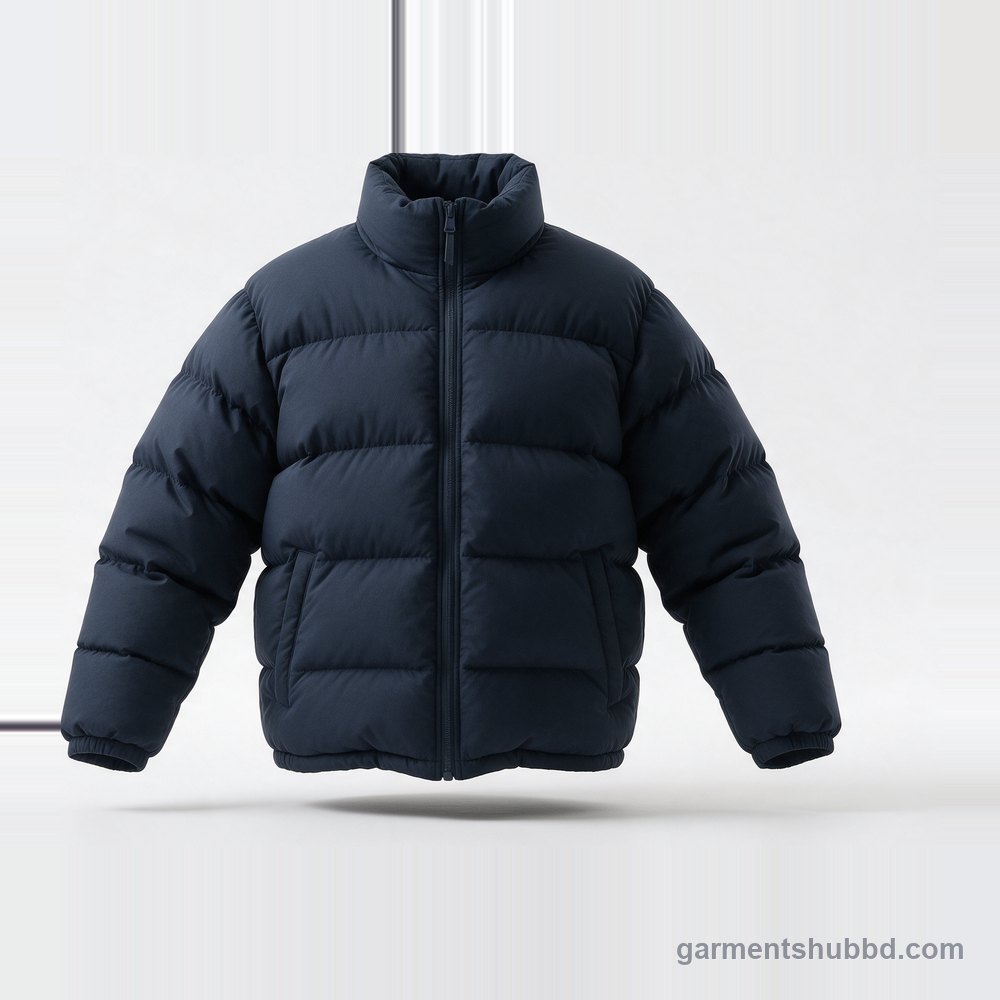
Padded Jacket
Shell, lining and a polyfill or recycled polyfill batt, quilted in channels or panels. State the fill weight in grams per square metre and the quilt pitch, because those two numbers are the garment. A 100 GSM fill in a wide channel and a 100 GSM fill in a narrow channel wear differently.
Puffer Vest
The same build without sleeves, usually a higher fill weight because it is worn as a mid layer. Quicker to make and the cheapest way into a winter range.
Fleece Jacket
Polar or anti pill fleece, 260 to 360 GSM, full zip, zipped side pockets, chin guard. Ask for anti pill if the garment is going to be washed often, because a plain fleece looks tired after a season.
Winter Coat
Longer length, heavier shell, often a wool or wool blend outer over a quilted lining. Grade the body length carefully. A coat that sits right in medium can look cropped in XXL.
Parka
Hooded, thigh length or longer, storm flap over the zip, drawcord at the waist and hem, fur or faux fur trim at the hood if you want it. Say whether the trim is detachable, because that changes the hood build.
Softshell Jacket
Bonded three layer fabric with a fleece back, water repellent rather than waterproof, cut close. The layer that sells when the market is cold but not wet.
Knitted Winter Set
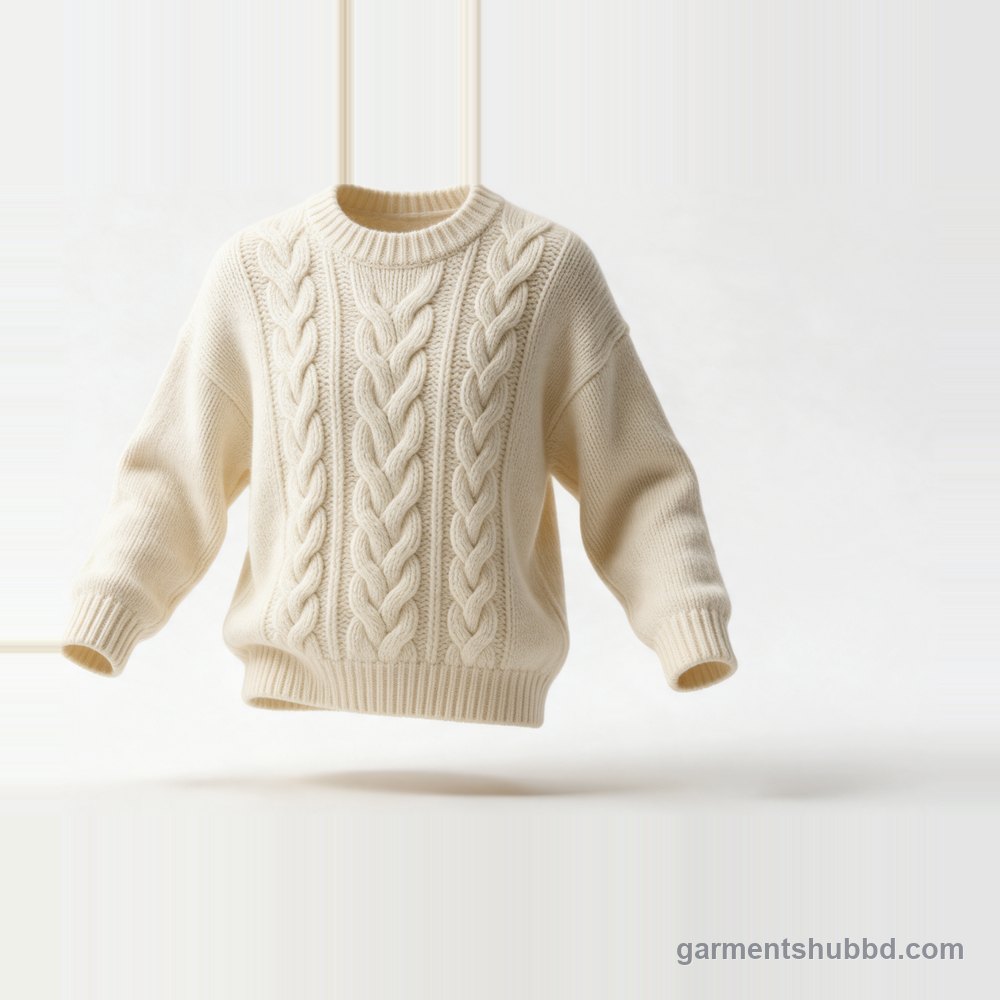
Beanie, scarf and glove in acrylic, wool or a blend, quoted per set or per piece. The accessory add on that lifts the value of a jacket order without adding a factory.
Thermal Wear
Brushed back interlock or waffle knit top and bottom, 200 to 260 GSM, flatlock seams. Base layer volume, and a garment where grading errors show up immediately because it is worn tight.
Fill, shell and the numbers that matter
Fill is specified three ways and you need all three: the material, the weight in grams per square metre, and the total garment weight. Recycled polyfill costs a little more and is often what your buyer now requires, so ask for it by name and ask for the GRS certificate with the quote if the claim goes on a hangtag.
The shell decides the hand. A matte nylon reads premium, a shiny polyester reads cheap, and the same fill behind either feels different in the hand. Downproof or fillproof construction matters wherever the fill is fine enough to migrate through the weave, and it is a fabric specification rather than a sewing one.
Waterproof and water repellent are different claims. A repellent finish sheds a shower. A waterproof garment needs a coated or laminated shell and taped seams, and the seam sealing is a separate operation with its own cost and its own failure mode. Do not ask for taped seams unless your customer needs them.
Sizing and grading
A padded garment is graded on the outside, and the fill changes the finished measurement. Send your size chart with the chest, body length from the high point of the shoulder, sleeve length, hem sweep and hood dimensions, plus your tolerance, and expect the factory to measure a padded garment on a flat table with the loft settled. We measure the pre production sample in the smallest size, the sample size and the largest size, and send you the numbers before bulk cutting.
Quality control
Inline inspection while the line runs. Final inspection to AQL 2.5 unless your standard differs, with the photo report before the goods move. On winter wear we weigh the fill on a cut sample against the spec, check the quilt pitch across panels, run every sampled zip through its full length, look for fill migration at the seams, and check shade continuity between dye lots on shell and lining separately.
Compliance differs by plant. The factories on our bench hold different combinations of BSCI, Sedex, WRAP, OEKO-TEX and GRS. Tell us what your buyer requires and we will only quote plants that already hold it, with the certificate attached to the quote.
What to send with your enquiry
- Shell and lining by weight and construction, or a swatch to match
- Fill material, fill weight in grams per square metre, and quilt pitch
- Whether you need recycled fill and a certificate for a hangtag claim
- Zip brand and gauge, and hood and trim detail
- Size chart with quantity per size, and your tolerance
- Quantity per colour, your target price and your ship date
Minimum order starts from 300 pieces per colour. Two factory quotes in 48 hours, sample in 7 to 14 days, bulk in 30 to 60 days after the pre production sample is signed, FOB Chattogram.
Booking a season
Winter capacity fills from spring onwards, and the plants that quilt well are the first to fill. If you know your season volume, send it early even if the styles are not final. A booked slot with a style change later is a far easier conversation than a finished tech pack with no slot left.
Get a quote for winter wear
Tech pack or sketch with quantities per colour. A compared quote in 48 hours.