LWG certified leather goods, your specification
Made to your tech pack, fabric and colours by a factory matched to the order.
Private label
Your main label, care label, hangtag and polybag. Nominated trims accepted.
The Leather Working Group audits leather manufacturers, meaning tanneries, on environmental performance and rates them gold, silver, bronze or audited; leather traders can be certified too, rated Approved rather than with a medal. A bag, belt or shoe factory does not tan, so it holds no rating of its own. What brands mean by an LWG certified leather goods manufacturer in Bangladesh is a goods maker whose leather for your order comes from a rated tannery, with papers to prove it.
Leather goods have no factory bench yet. For an LWG enquiry the desk finds a goods maker that already buys from a rated tannery, vets and visits it, and replies within 5 working days with a real quote or a straight no. The tannery's current certificate and the delivery papers for your leather lot go into the order file.
Kinds of LWG leather goods sourcing
LWG leather bags and small goods
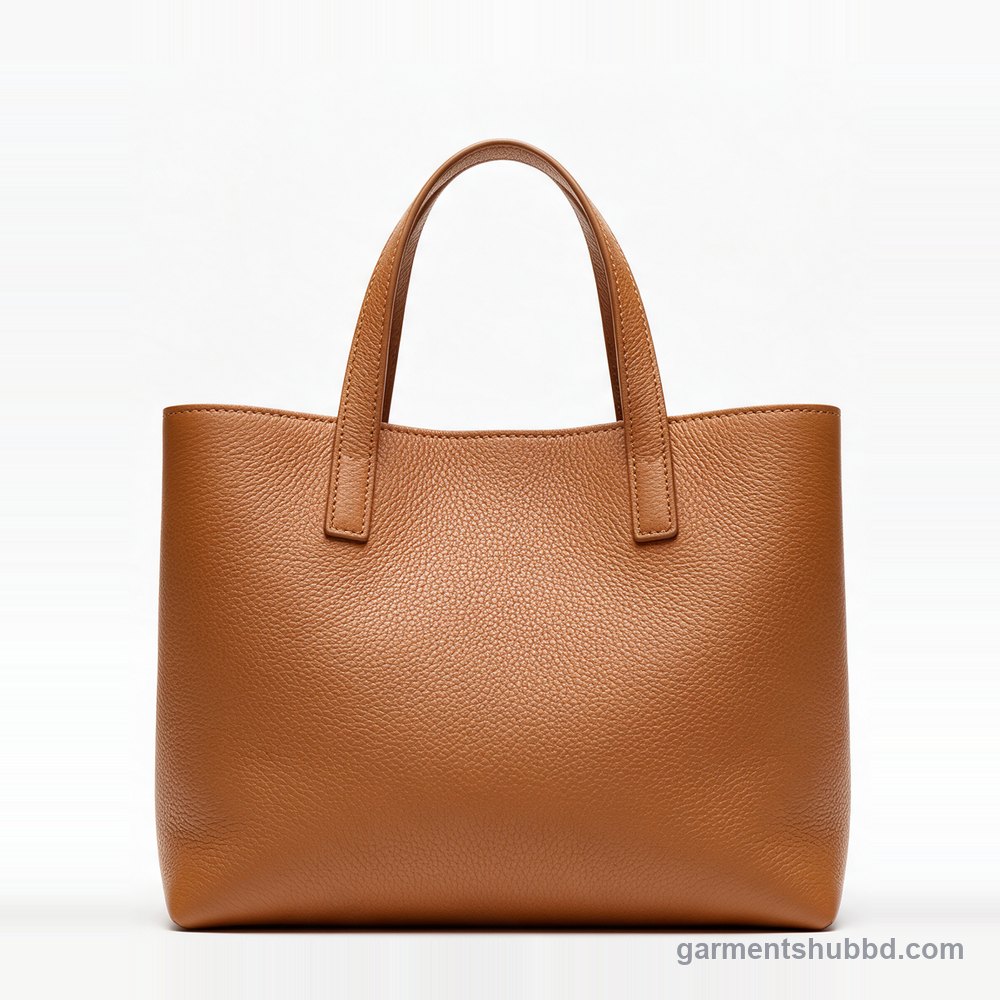
Bags, wallets, card holders and purses cut from leather bought from a rated tannery. Linings, webbing and canvas parts are not leather and sit outside the claim, so the claim names the leather parts.
LWG leather belts
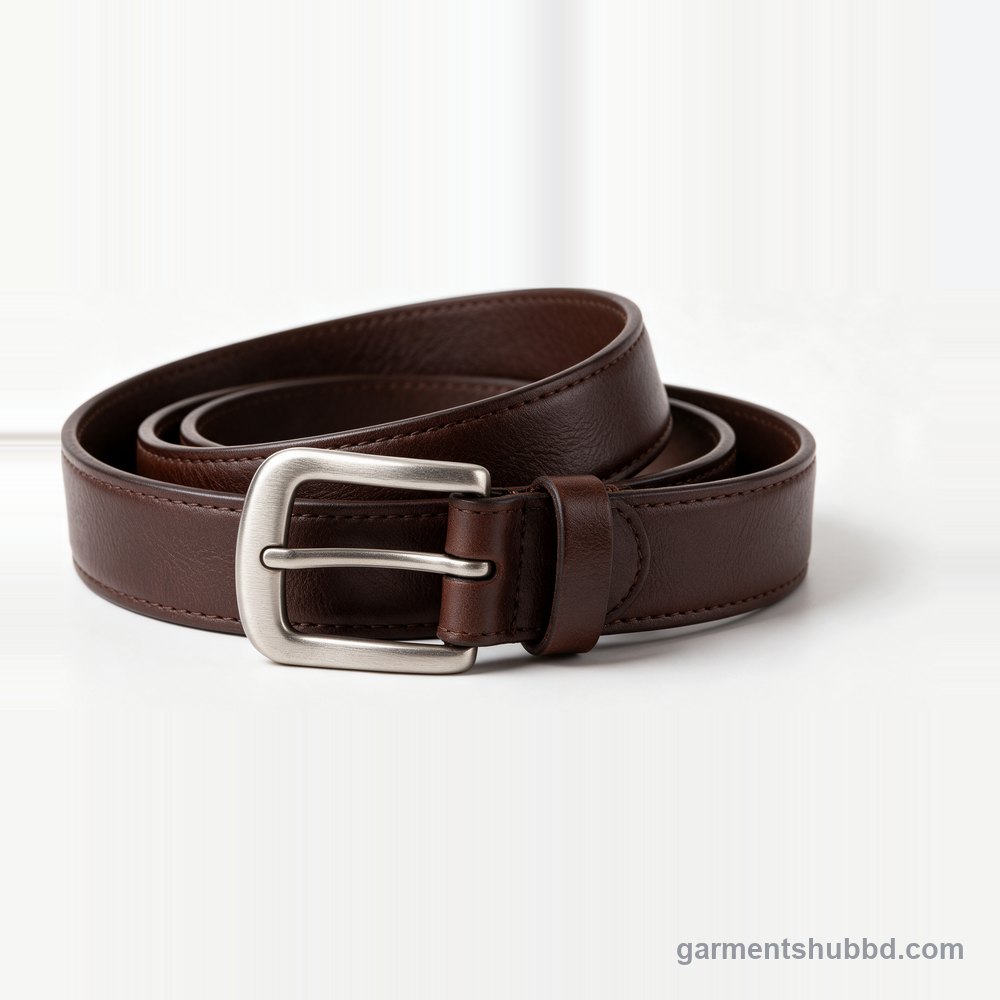
Belt straps in full grain or split leather from a rated tannery, chrome or vegetable tanned. The buckle is metal, tested for nickel on its own; the strap carries the LWG claim.
LWG leather footwear
Shoes and sandals whose uppers, and sometimes linings, come from a rated tannery. Soles, insoles and adhesives sit outside the claim, so state which components are LWG leather.
LWG leather jackets and garments
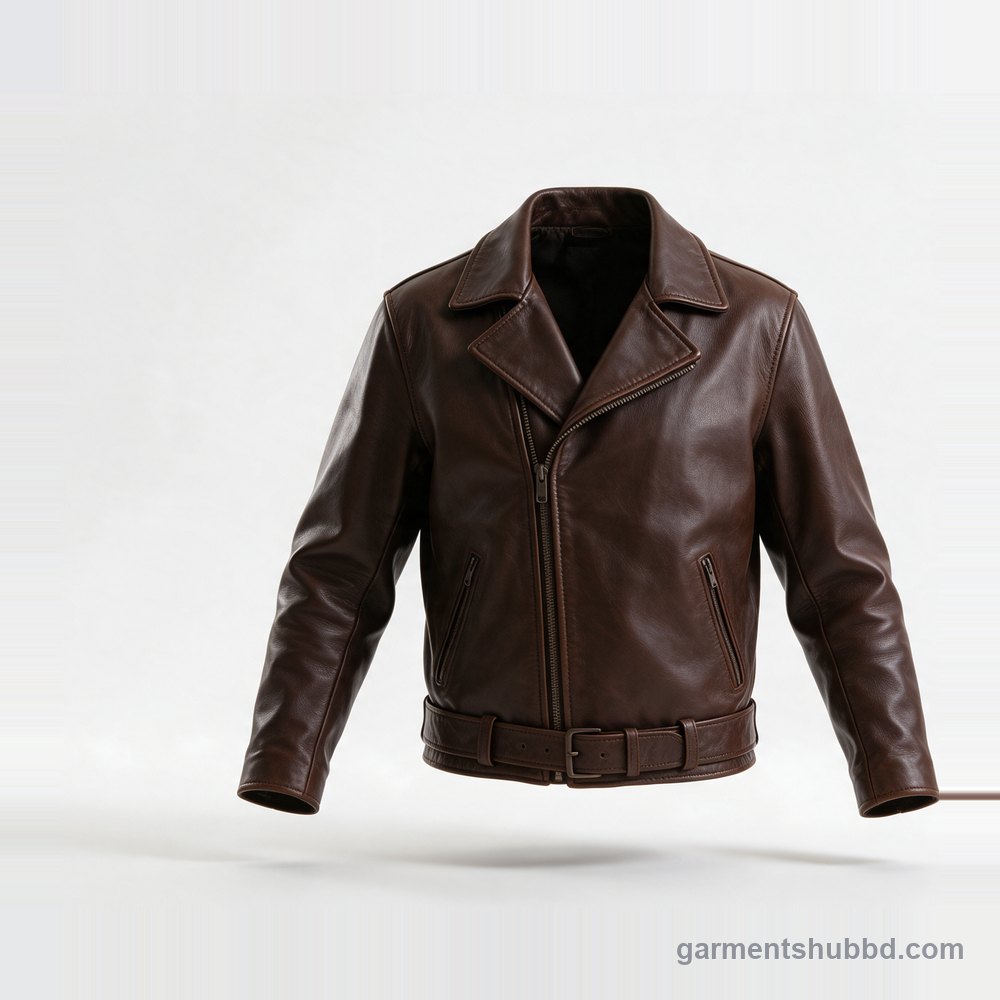
Jackets, blazers and waistcoats in garment nappa or suede from a rated tannery. Soft garment leather in fashion colours comes from fewer rated tanneries, so the colour choice may narrow.
What to send an LWG certified leather goods manufacturer in Bangladesh
- Rating required
- Gold, silver, bronze or audited, and whether your customer accepts any rated tannery or names one. A higher medal narrows the tanneries able to supply your leather and colour.
- Leather parts in the claim
- Which components must be LWG leather: body, gusset, lining, straps, edge binding. Mixed sourcing inside one article weakens the claim.
- Leather type and tannage
- Animal, layer, thickness and finish, and chrome, vegetable or chrome free tannage. The tannery has to make that leather in your colour, not only hold a rating.
- Documents per order
- The tannery's current LWG certificate, and invoices or delivery notes tying the leather lot to your production. Ask for them with the pre-production sample, not after shipment.
- Chemical and rub requirements
- REACH entries for the EU, your own restricted substances list, and colour rub fastness on the leather, tested by the leather method the laboratory names, one report per colour.
- Claim wording
- The words on hangtags and product pages: the tannery's rating and the leather parts it covers. Ask the Leather Working Group how its name may be used on your product before anything is printed.
Ratings and tests for LWG certified leather goods
- LWG
- Environmental audit of tanneries, rated gold, silver, bronze or audited. The rating belongs to the tannery site that made the leather, so check the certificate names that site and is current.
- REACH Annex XVII, entry 47 (chromium VI)
- Leather articles in contact with skin must stay below 3 mg/kg of chromium VI. An LWG rating does not replace this test; ask for it on each finished leather colour.
- REACH Annex XVII, entry 43 (azo dyes)
- Restricts azo dyes that release listed amines above 30 mg/kg, in leather and in dyed textile parts alike. Dark dyed leathers and printed linings are the usual ones to test.
- ZDHC MRSL
- Chemicals banned from intentional use in facilities processing textiles, leather and trims. It applies to the tannery and its chemical suppliers, and it is not a test on your finished article.
What moves the price of LWG leather goods
- Rated leather, which can cost more per square foot, with a higher medal narrowing supply.
- Colour and finish: a custom colour from a rated tannery carries its own minimum per colour.
- Testing: a chromium VI and azo report per leather colour, and nickel tests on plated hardware.
- Tracing each leather lot to the order, which adds handling at both the maker and the tannery.
- Hide grade and yield, which set how much of each skin reaches the finished article.
Lead time for LWG certified leather goods
Times follow the article. A leather bag usually samples in 14 to 21 days and a shoe in 21 to 30, and bulk usually takes 45 to 75 days for bags and 60 to 90 days for shoes after the pre-production sample is approved. Leather in your colour from a rated tannery, and a REACH report per colour, add days before cutting; the quote gives your dates.
What we check in LWG certified leather goods
- Certificate against the leather lotThe tannery certificate checked as current, and its site matched to the delivery note for the leather cut for this order.
- Leather at the cutting tableHides at cutting matched to the approved leather by lot label, colour and thickness, so no other leather slips in.
- Colour rubFinished articles rubbed with a white cloth, dry and wet, on dark and aniline leathers, which mark clothing first.
- Claim on the labelHangtags and labels checked against the approved wording, so the LWG claim names only the leather parts it covers.
Questions buyers ask about LWG certified leather goods
Can a bag or shoe factory be LWG certified?
Not as a goods maker. LWG certifies leather manufacturers, which are tanneries, with a medal, and leather traders as Approved. A bag, belt or shoe factory cuts and sews finished leather, so the claim rests on its tannery. A factory calling itself LWG certified usually means it buys from one; ask for that tannery's certificate.
What does the medal on an LWG certificate mean?
It is the tannery's environmental audit result: gold, silver or bronze by score, or audited for a site that passed without reaching a medal. The audit scores water and energy use, chemical management, waste and effluent treatment, with hide traceability rated separately. The Leather Working Group itself says a certificate does not guarantee a finished product will pass a restricted substances test, so REACH tests are still needed.
How should leather and its origin be worded on the label?
Name the leather by animal and layer, such as full grain cowhide or split leather, rather than only genuine leather. Country of origin usually follows where the article was made, not where the hide was tanned. In the EU, a textile product with leather parts states that it contains non-textile parts of animal origin.
Does LWG leather cost more?
Often a little, and the larger effect is on choice: fewer tanneries hold a medal, fewer still the higher ones, and not all make every leather type in every colour. Name the rating your customer needs at the enquiry, so the maker is matched to a tannery that can supply it.
Get a quote for LWG certified leather goods
Tech pack or sketch with quantities per colour. A compared quote in 48 hours.