Activewear and gym wear, your specification
Made to your tech pack, fabric and colours by a factory matched to the order.
Private label
Your main label, care label, hangtag and polybag. Nominated trims accepted.
A gym range is rarely one garment. A brand launching training wear usually wants leggings, a sports bra, a top, shorts and a zip layer in the same two or three colours, sold side by side. Choosing an activewear and gym wear manufacturer in Bangladesh for that range means finding knit plants that handle several elastane fabrics at once and hold one shade across all of them.
Garments Hub BD sends the whole kit as one enquiry to two plants on its bench that sew elastane knits, and both quotes are compared on one sheet, garment by garment, so you see which piece carries the cost. Lab dips are raised on each fabric base against one colour standard, and inspection covers every piece of the kit.
Garments in an activewear and gym wear kit
Training tops and vests
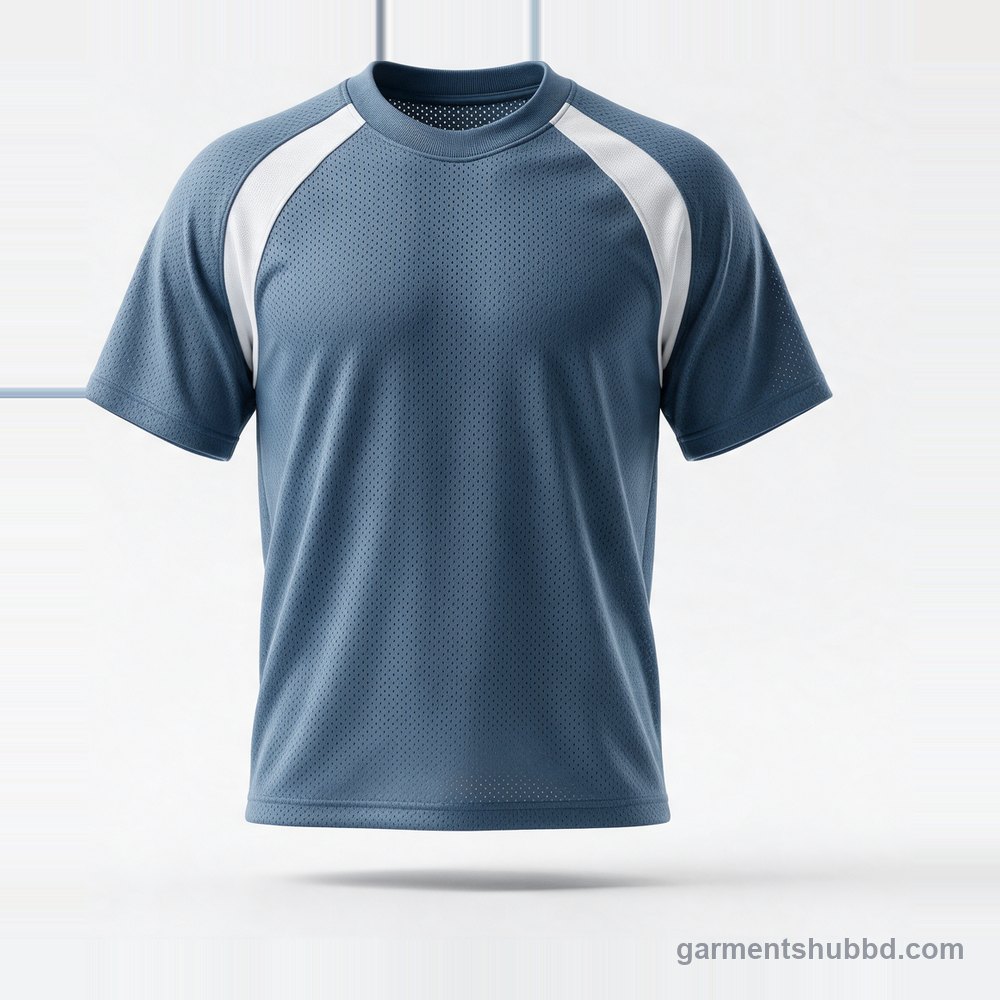
Polyester or poly cotton jersey, often with mesh panels at the back or underarm, usually 130 to 180 GSM. The volume piece that carries the logo, so pick a fabric that suits the print method.
Gym leggings and bike shorts
Warp knit or circular interlock in nylon or polyester elastane, usually 220 to 300 GSM, with a gusset and a wide waistband. Nylon for a softer, cooler hand; polyester when the kit is printed.
Sports bras
Double layer front, power mesh lining, a wide underband and pad pockets or moulded cups, built to a stated support level. A trim heavy piece, and it needs a fit sample on a real body.
Woven training shorts
Light woven polyester with some stretch, an inner brief liner or fitted under short, and a split side hem. Choose them for running and cross training, where a knit short clings.
Zip track tops
Quarter zip and full zip tops in polyester interlock or tricot, worn over the kit to and from the gym. Grade them to sit over a fitted top and match the zip tape at lab dip stage.
How to brief an activewear and gym wear manufacturer in Bangladesh
- Fabric base per garment
- List which garments share a fabric. Leggings and bras in one nylon elastane and tops in one polyester mesh need two lab dips per colour, not five.
- One colour standard
- One physical or spectral standard per colour and the approval light, usually D65 daylight. Nylon and polyester take different dye classes, so agree a tolerance between them.
- Elastane content and recovery
- The blend, typically 12 to 25 percent elastane in gym fabric, plus stretch and recovery figures. A kit sold as compressive needs more power than an easy fit one.
- Seams and edges
- Flatlock on any seam that rubs, coverstitched or bonded hems, and never plain overlock at the legging inseam.
- Kit ratio and minimum
- The minimum is counted per colour, and a kit of five garments is five styles. Ask both factories how they count it before fixing the colour list.
- Trims and branding
- Heat transfer logos, reflective prints, silicone grippers and printed neck labels. Name every transfer and its position, because transfers are bought in before cutting.
Tests and certificates for activewear and gym wear
- AATCC 195
- Moisture management: how a fabric moves sweat away from the skin. Ask for it on the training top fabric before a wicking claim goes on the hang tag.
- ISO 105-E04
- Colour fastness to perspiration, graded 1 to 5 on the grey scales. It matters on dark leggings and bright bras that sit in sweat against light clothing.
- ISO 12945-2
- Pilling on the modified Martindale. Run it on the legging fabric, because the inner thigh rubs on every stride and pills there first.
- OEKO-TEX STANDARD 100
- Harmful substance testing; product class II covers articles worn against the skin. Ask which certificate covers the elastane fabrics and which covers the transfers.
What moves the price of an activewear and gym wear kit
- Nylon elastane costs more per kilo than polyester elastane, and leggings and bras use the most of it.
- Every extra fabric base adds a lab dip, a separate dye lot and a fabric minimum at the mill.
- Cups, pad pockets, power mesh and underband elastic make a sports bra cost more to sew than its size suggests.
- Bonded hems and laser cut edges cost more than coverstitched hems.
- Sublimated prints add a print step and tie the printed pieces to polyester fabric.
Lead time for activewear and gym wear
A gym kit samples in the usual 7 to 14 days only when every fabric base is in stock at the mill; a custom nylon elastane colour adds lab dip rounds first. Bulk typically runs 30 to 60 days after the PP sample is signed, and the last piece to finish, often the sports bra with its cups and elastics, sets the ship date for the whole kit. The quote confirms both dates.
What we check on activewear and gym wear before shipment
- Shade across the kitLegging, bra and top laid side by side under the agreed light, judged against the standard and each other.
- Seam stretch on leggingsInseam and gusset seams stretched by hand to confirm the flatlock does not crack or grin.
- Sports bra band and strapsUnderband elastic tension, strap length, pad pocket openings and cup symmetry on every sampled bra.
- Transfers and reflective printsHeat transfer logos and reflective trims checked for lifting edges after a wash on bulk pieces.
Questions buyers ask about activewear and gym wear
Can one order mix leggings, sports bras, tops and shorts?
Yes. Send the kit as one enquiry with the colours and the quantity of each garment. The minimum is counted per colour and each garment is its own style, so a five piece kit in three colours is fifteen lines. Some factories may group styles that share a fabric; ask both.
Should gym leggings be nylon elastane or polyester elastane?
Nylon elastane is softer, cooler and resists abrasion better, and it costs more. Polyester elastane suits sublimation prints and tighter budgets but can feel slicker. Many kits use nylon for leggings and bras and polyester for printed tops, and the fit sample shows how the two sit together.
How is black kept the same across leggings, bras and tops?
Agree one black standard and the light it is judged under, then approve a lab dip on each fabric base. Nylon and polyester blacks can drift apart under shop lighting, so compare the PP samples side by side under daylight and a store light before bulk.
Can a moisture wicking claim go on the label?
Only once the fabric has been tested. Ask for AATCC 195 or AATCC 197 results on the bulk fabric and keep the report with the order. A wicking finish can wash out, so if the claim says it lasts, ask for the test after a stated number of washes.
Get a quote for activewear and gym wear
Tech pack or sketch with quantities per colour. A compared quote in 48 hours.