Blank apparel, your specification
Made to your tech pack, fabric and colours by a factory matched to the order.
Private label
Your main label, care label, hangtag and polybag. Nominated trims accepted.
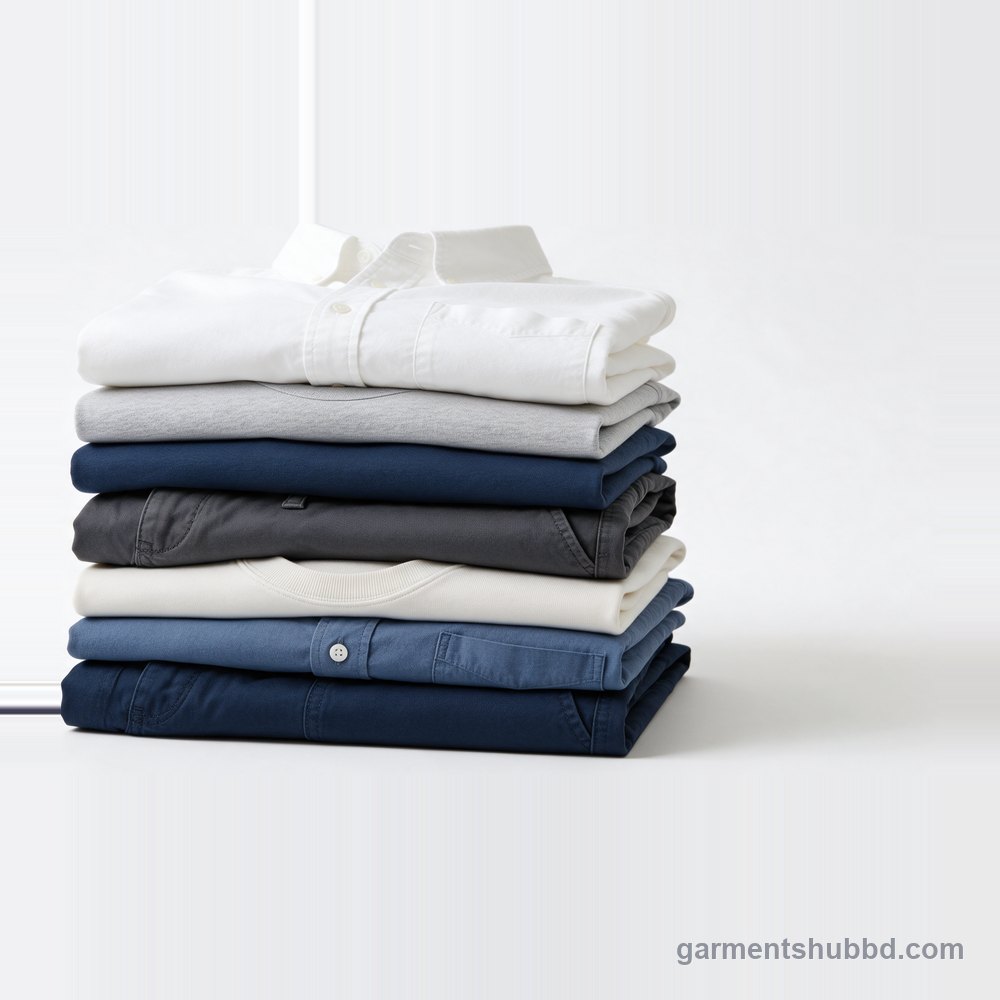
Blank apparel is the garment before anyone decorates it. Screen printers, embroidery shops and print on demand brands buy the same tee or hoodie in the same colours again and again, and judge it by how it takes ink, how it holds its shape after printing and whether the reorder matches the last carton. A blank apparel manufacturer in Bangladesh is chosen for consistency, not novelty.
Garments Hub BD briefs two knit plants on its bench with the yarn, GSM, construction and label spec, and both quotes are laid out per colour and size on one sheet, so a core programme and an occasional colour can be priced side by side. The approved PP sample and shade standard become the reference for reorders, so keep a sealed sample on each side.
Kinds of blank apparel
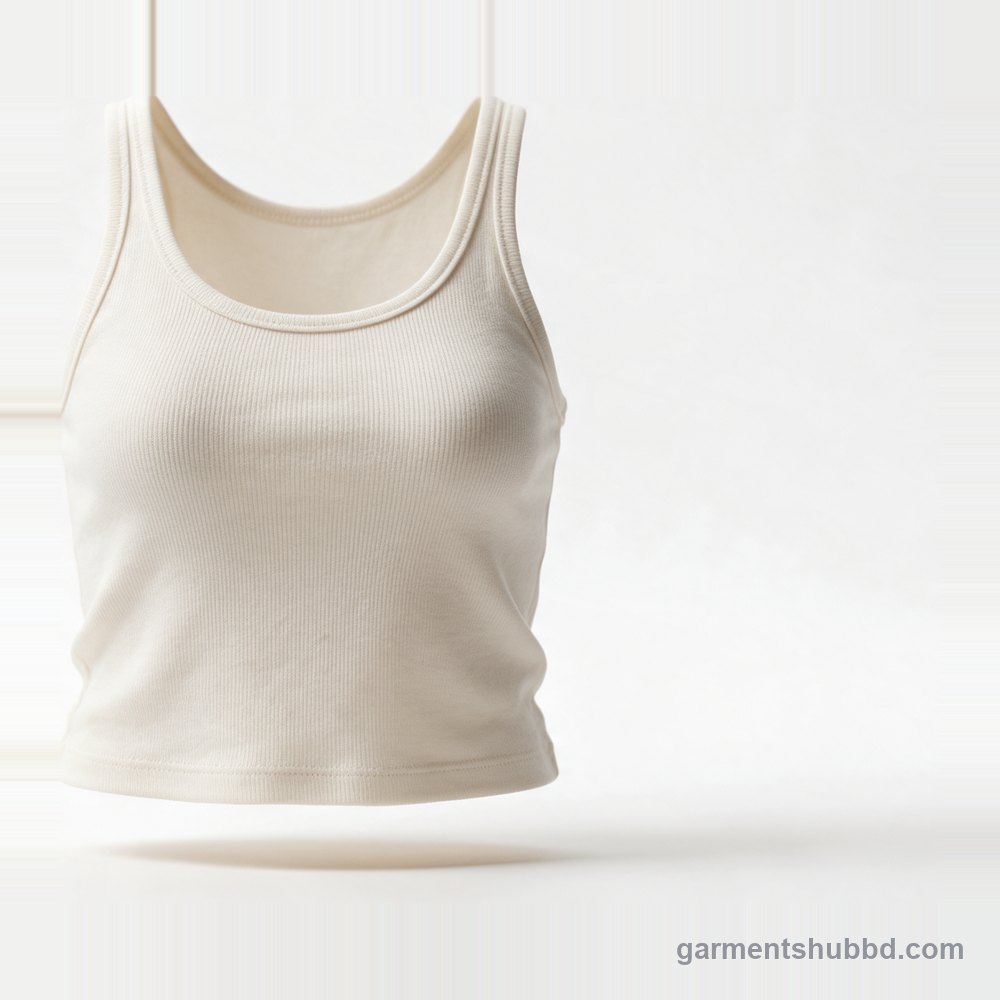
Blank tees
Combed ring spun single jersey, usually 150 to 220 GSM, side seamed or tubular, in a core run of colours. The base of most print programmes, and the blank whose face shows every flaw under ink.
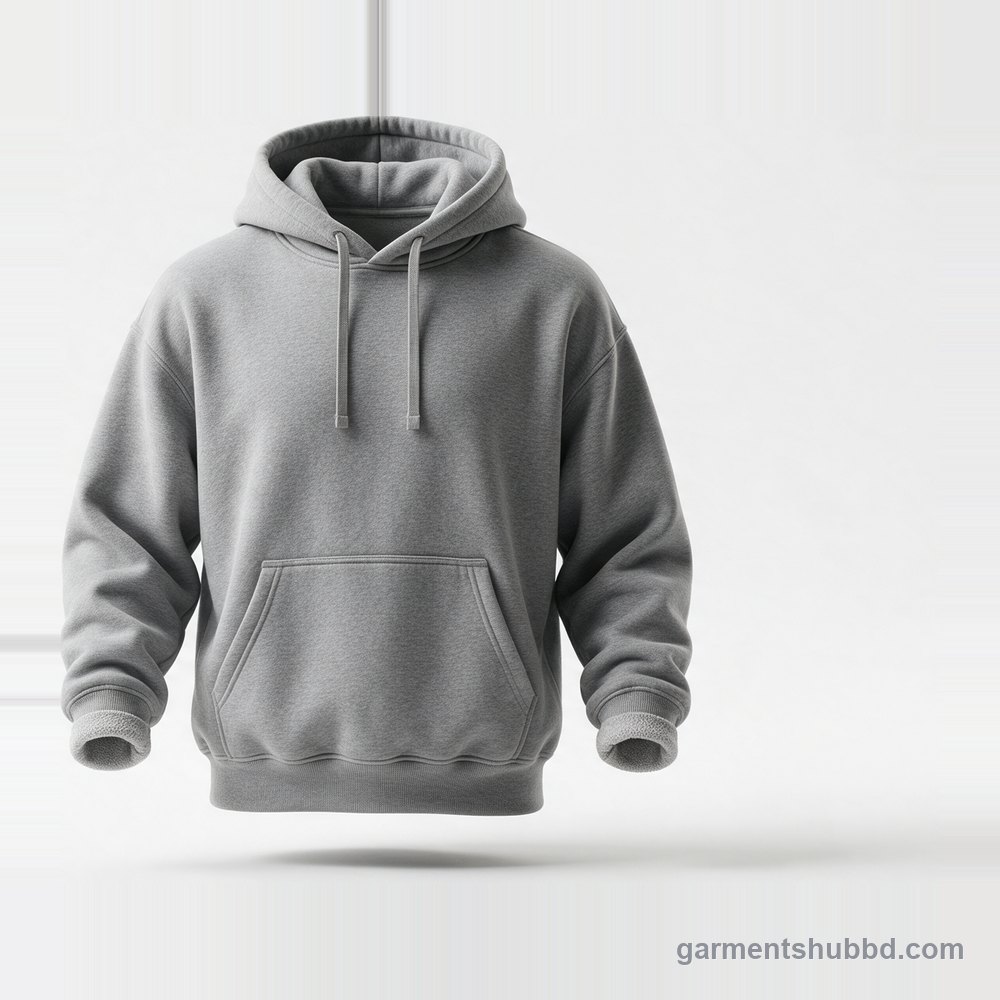
Blank hoodies and sweatshirts
Fleece with a smooth cotton face over a brushed back, typically 280 to 400 GSM, with no seam across the front print area. Choose a cotton rich face for screen and direct to garment printing.
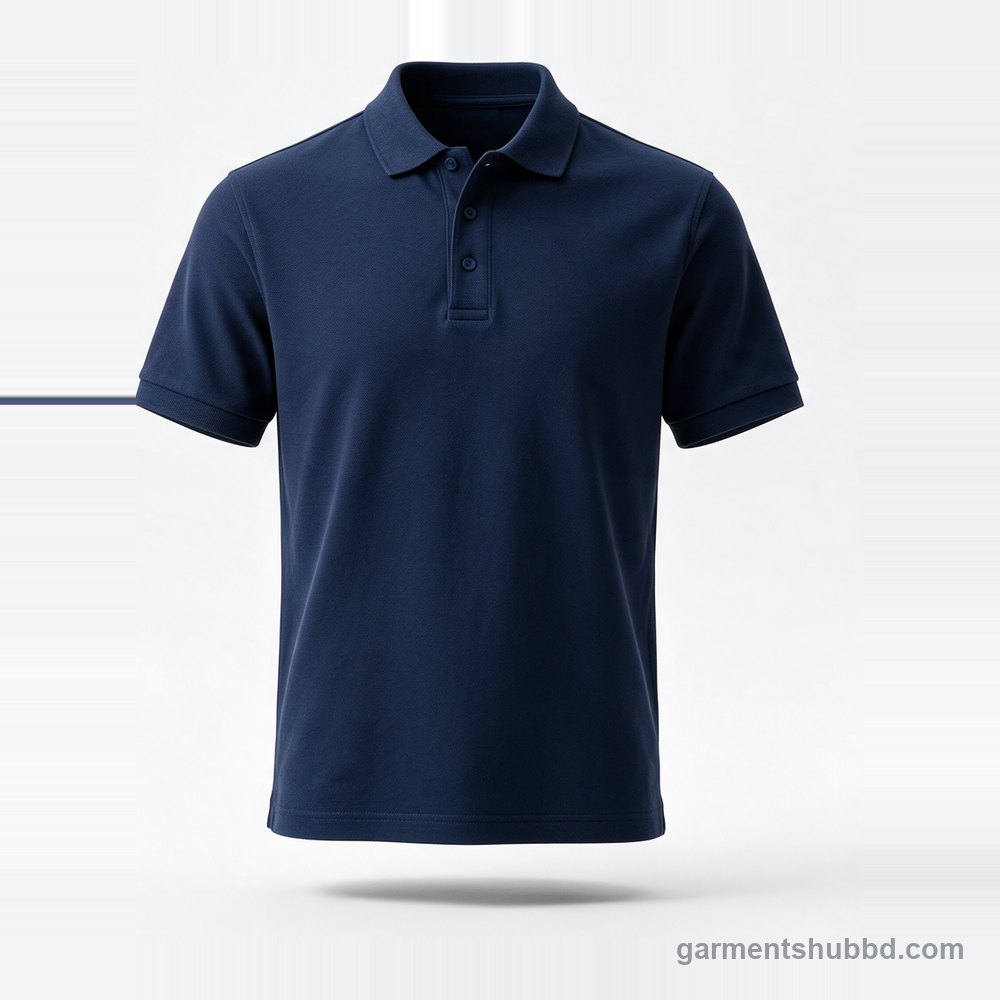
Blank polos
Pique polos with a plain placket and no chest pocket, made for embroidery shops. Choose a tight pique that holds embroidery without the stitches sinking into the knit.
Blank totes
Cotton canvas or drill totes with a flat, unseamed print face, for screen printers and event suppliers. Choose the cloth weight and handle length by what the bag has to carry.
What makes a blank printable
- Yarn and face
- Combed ring spun or compact yarn, usually 20s to 40s Ne for tees, for a smooth face with little surface hair. Open end yarn is cheaper but rougher under ink.
- Side seamed or tubular
- Side seams give a shaped fit and less twist; tubular bodies cost less and leave no seam line under a wrap around print.
- Neck labels
- Tear away labels, printed neck information or no brand label, so the decorator can relabel. Care and fibre information still has to reach the finished garment.
- Shade programme
- Core colours, each with its own standard, reordered on the same dye recipe. Heathers and melanges vary more between lots than solid dyed shades.
- Residual shrinkage
- Compacted, pre shrunk fabric with a stated maximum shrinkage, so prints do not distort after the first wash or under a heat press.
- Pack and carton
- Folded and bulk packed by size and colour, often in dozens, with the dye lot number on each carton so a reprint can match its lot.
Tests to ask a blank apparel manufacturer in Bangladesh for
- ISO 16322
- Spirality of knit after washing. A twisting body moves the side line and skews a centred print, so ask for the figure on the bulk fabric, tubular bodies above all.
- EN 12127
- Mass per unit area from small samples. A blank sold as 180 GSM has to stay at 180 GSM across reorders, so ask for the weight of every lot within an agreed tolerance.
- FTC Care Labeling Rule (16 CFR 423)
- A tear away label is made to be removed, and a garment sold in the US still needs a permanent care label, so agree who attaches it: the factory at a side seam, or the decorator.
What moves the price of blank apparel
- Combed ring spun yarn costs more than carded open end yarn.
- Side seamed bodies cost more to sew than tubular ones.
- Heathers, melanges and deep shades cost more to produce than light solid colours.
- Tear away labels, printed necks and individual polybags each add a step.
- A committed repeat programme of core colours usually costs less per piece than one off colours.
Lead time for blank apparel
A first blank programme samples in the usual 7 to 14 days and runs bulk in 30 to 60 days after PP approval. Reorders of an approved blank start sooner because nothing is developed, but the fabric is still knitted and dyed to the recipe each time, so plan core colours a season ahead. A new heather or a shade outside the core adds a lab dip round. The quote states the dates.
What we check on blank apparel before shipment
- Spirality after washSide seam or side line twist measured on washed pieces, since a twisted body skews any centred print.
- Print faceFront and back panels checked against light for neps, slubs, holes and knots that would lift ink.
- Shade by cartonPieces from different cartons compared with the shade standard, and dye lot numbers checked on every carton label.
- Tear away labelsLabels torn on sample pieces to confirm they come away cleanly, with no hole and no ragged stub.
Questions buyers ask about blank apparel
Side seamed or tubular blanks?
Side seamed tees fit better, twist less and suit a retail brand. Tubular tees cost less, leave no side seam under a wrap print, and suit giveaways and high volume printing. Spirality is the risk on tubular bodies, so ask for ISO 16322 results on the bulk fabric first.
Will a reorder match the first shade?
Close, within an agreed tolerance. Ask for each core colour to be reordered on the same dye recipe and approved against the original standard, and keep a sealed sample from the first lot. Heathers drift more than solids, so reorder them in larger, less frequent lots.
Can blanks ship without any label?
They can ship with tear away labels or no brand label, but care and fibre information still has to reach the finished garment in most markets; in the US that means a permanent care label. Agree whether the factory sews a small side seam label or your print shop adds one.
Which blank fabric suits direct to garment printing?
A 100 percent cotton, combed ring spun jersey with a tight, smooth face takes direct to garment ink cleanly. Polyester blends print duller with water based pigment inks, and loose knits let ink sink. Pre shrunk, compacted fabric keeps the image true after the first wash.
Get a quote for blank apparel
Tech pack or sketch with quantities per colour. A compared quote in 48 hours.