Fabrics, your specification
Made to your tech pack, fabric and colours by a factory matched to the order.
Private label
Your main label, care label, hangtag and polybag. Nominated trims accepted.
Most buyers who search for a fabric manufacturer in Bangladesh do not want cloth on a roll. They want the right fabric inside a finished garment: a soft combed jersey for tees, a mid weight denim for jackets, a poplin that stays white. That cloth comes from a knit composite mill, a woven mill or a denim mill, and the mill shapes price, minimum and ship date.
Garments Hub BD does not sell cloth by the roll and does not run a mill. The desk matches your garment with factories whose fabric sources suit it, and the fabric is costed inside the garment price. Nominate a mill on the quote form if you have one. Either way, lab dips come to you for approval, and fabric tests you ask for on the quote form go to a lab and into the timeline.
Kinds of fabric behind a garment order
Knit fabric from composite mills
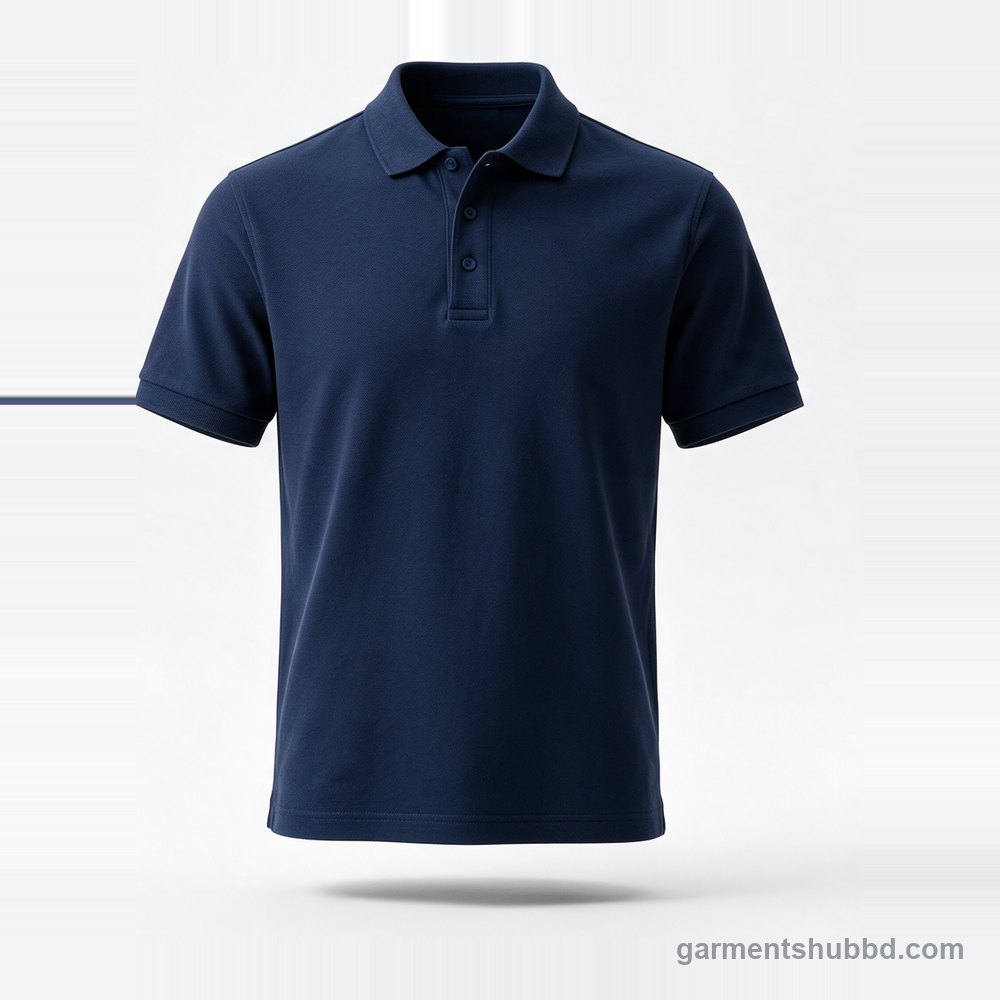
Single jersey, pique, rib, interlock, French terry and fleece, usually knitted, dyed and finished under one roof and bought by the kilogram. The base of tees, polos, sweatshirts, underwear and kidswear.
Woven fabric
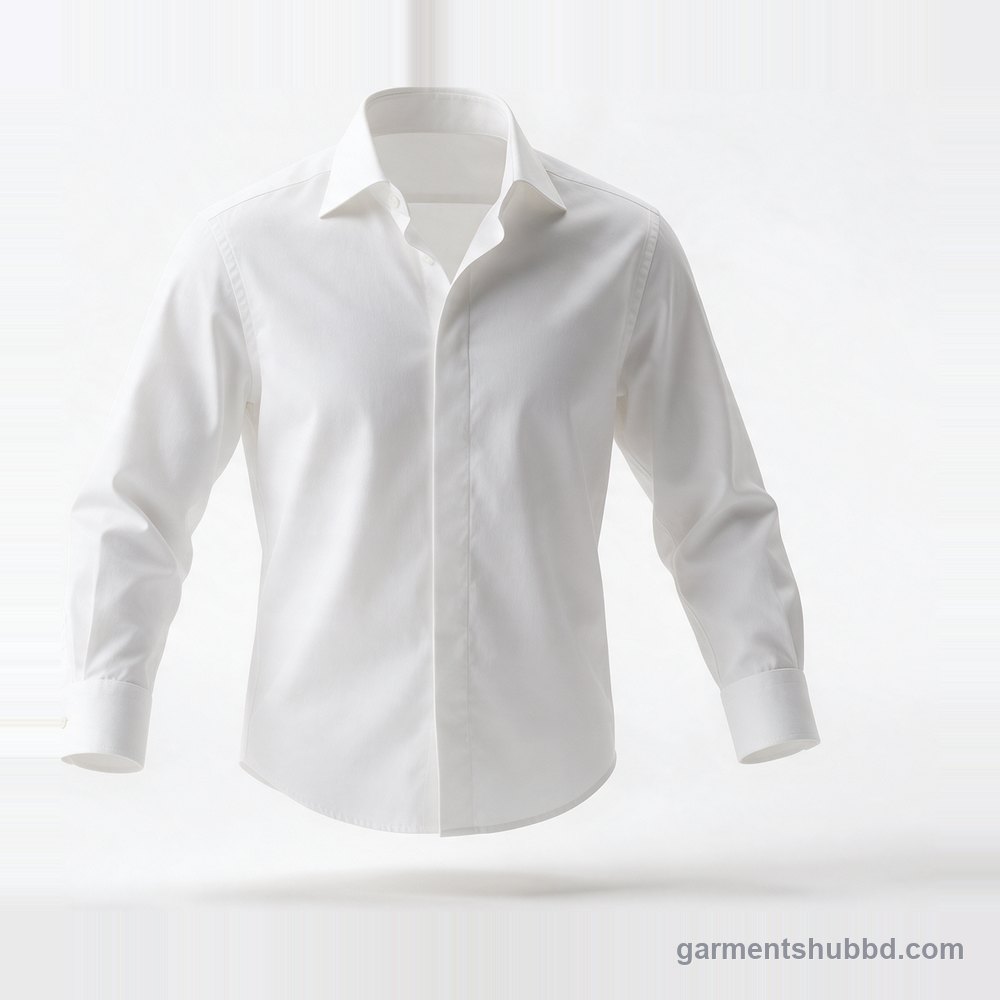
Poplin, oxford, twill, canvas, gabardine and ripstop, sold by the metre and piece dyed or printed after weaving. For shirts, trousers, uniforms and outerwear, where cloth must hold a crease or an edge.
Denim
An indigo dyed warp crossed with an undyed weft in a twill, weighed in ounces per square yard. The blue is picked from the mill's own dye range and finished by washing the garment.
Yarn dyed stripes and checks
Yarn dyed before knitting or weaving, so the pattern runs through the cloth. Used for striped tees, rugby tops, check shirts and flannel, with higher minimums and longer lead times than piece dyed cloth.
Synthetic and stretch fabric
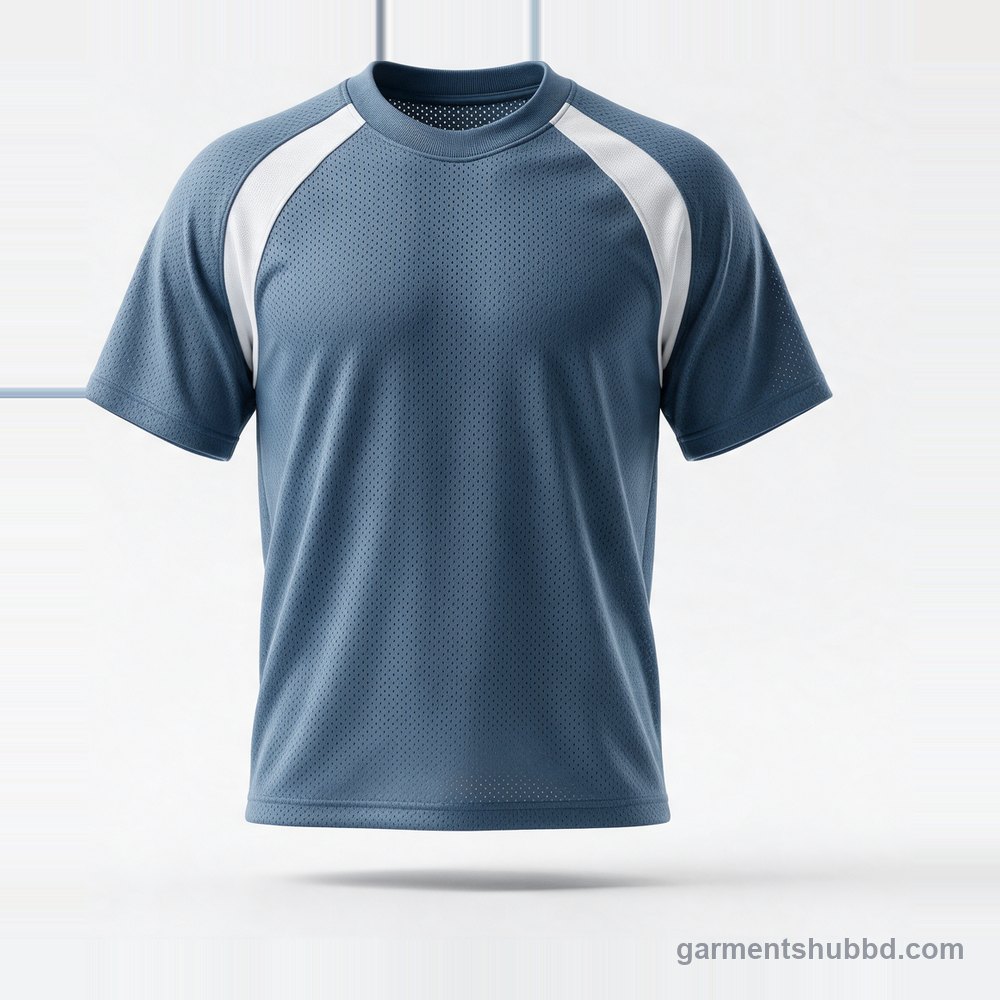
Polyester and nylon warp knit, mesh, tricot and taffeta, often with elastane, for sportswear, linings and shells. Much specialist synthetic cloth is imported for the order, which adds shipping days.
How to specify fabric for a garment order
- Construction and fibre
- Name the structure and blend, such as combed cotton single jersey or 65/35 polyester cotton twill. A trade name alone means different cloth at different mills.
- Weight
- Knit in GSM, denim in oz, with a tolerance the mill can hold, usually plus or minus 5 percent. Ask for weight after washing as well as off the machine.
- Width and yield
- Usable width for woven cloth, open or tubular width for knit. Width decides how many garments come out of each metre, and so the fabric cost per piece.
- Colour standard
- A physical standard plus the light it is judged under, usually D65 daylight. Lab dips are matched to it before any bulk dyeing.
- Finish
- Peached, brushed, enzyme washed, mercerised, anti pill or water repellent. Each finish changes hand feel, shrinkage and price.
- Organic or recycled claims
- A label saying organic or recycled needs a GOTS, OCS, GRS or RCS transaction trail from the mill. Raise it before the lab dip, not after bulk.
Fabric tests to ask a fabric manufacturer in Bangladesh for
- EN 12127 and ISO 3801
- Fabric weight: EN 12127 from small samples of any fabric, ISO 3801 for woven cloth. Check bulk rolls, because a light roll makes a thin garment.
- ISO 5077 with ISO 6330
- Dimensional change in home washing. Cotton knit is usually held within 3 to 5 percent each way, and the pattern is cut to the result.
- ISO 105-C06 and ISO 105-X12
- Fastness to washing and rubbing, graded 1 to 5 on the grey scales. Dark and bright shades fail rubbing first, so test the darkest colour.
- ISO 12945-2
- Pilling by modified Martindale, which matters most on brushed cloth, fleece and polyester blends of any weight.
What moves the price of fabric in a garment
- Fibre and yarn: combed or carded cotton, the yarn count, and the share of polyester or elastane.
- Weight, since a heavier GSM or oz uses more yarn per metre and knit is bought by the kilogram.
- Dyeing route: piece dyed costs least, yarn dyed and garment dyed more, and dark shades take more dye.
- Finishes such as brushing, peaching, mercerising or a repellent finish, each with its own process loss.
- Quantity per colour, because a run below the mill's dye lot pays a small lot charge or waits to be combined.
Lead time for fabrics
Fabric is usually the longest part of a garment's lead time. Knit cloth is often ready two to four weeks after the yarn is booked; custom dyed woven cloth usually needs four to eight weeks, longer when yarn dyed or imported. Each lab dip round adds a few days, and bulk cloth is booked only once the shade is approved, so a late approval moves the ship date day for day.
What we check on fabrics before shipment
- Four point roll inspectionRolls are graded on the four point system before cutting, so holes, slubs and shade bars are cut around, not sewn in.
- Shade roll to rollBulk rolls are compared with the approved lab dip and with each other, so panels from different rolls match.
- Weight and width on bulkA bulk swatch is weighed against the specified GSM and the width measured, since a light or narrow roll changes the garment.
- Shrinkage before cuttingA wash test on bulk cloth confirms the shrinkage the pattern allows for; any gap is corrected in the pattern before cutting.
Questions buyers ask about fabrics
Can I buy fabric by the roll through Garments Hub BD?
No. The desk sources garments, not cloth. Fabric is bought by the garment factory, or by you as a nominated supply, and costed into the garment. If you need cloth alone for your own cutting room, this is not the right desk, and we will say so plainly.
What is the minimum per colour for a custom dyed fabric?
The mill's dye lot sets it, not the sewing line. Knit mills often dye in lots of a few hundred kilograms per colour; woven mills often ask for 1,000 metres or more. Below that, pick a stock shade, share one colour across styles, or accept a small lot charge.
Should I nominate the mill or let the factory source the fabric?
Nominate when shade, hand feel or a certificate must match an existing range. Leave it to the factory when price and speed matter more: the factory knows which mills deliver on time, and the fabric risk stays with the factory.
How is the bulk shade approved?
You approve a lab dip first, usually picked from options marked A, B and C. Before cutting, a shade band from the dyed bulk lot comes to you. Judge it under the same light as the lab dip, because a match under shop lighting can fail in daylight.
Get a quote for fabrics
Tech pack or sketch with quantities per colour. A compared quote in 48 hours.