Hi-vis workwear, your specification
Made to your tech pack, fabric and colours by a factory matched to the order.
Private label
Your main label, care label, hangtag and polybag. Nominated trims accepted.
Hi-vis workwear is protective clothing sold on a tested class, set by how much fluorescent cloth and retro reflective tape a garment or an outfit shows. A range mixes knits for polos, tees and sweatshirts with wovens for jackets and trousers, usually from different mills. A hi-vis workwear manufacturer in Bangladesh has to keep every piece inside the colour the standard allows and lay the tape so the outfit reaches its class.
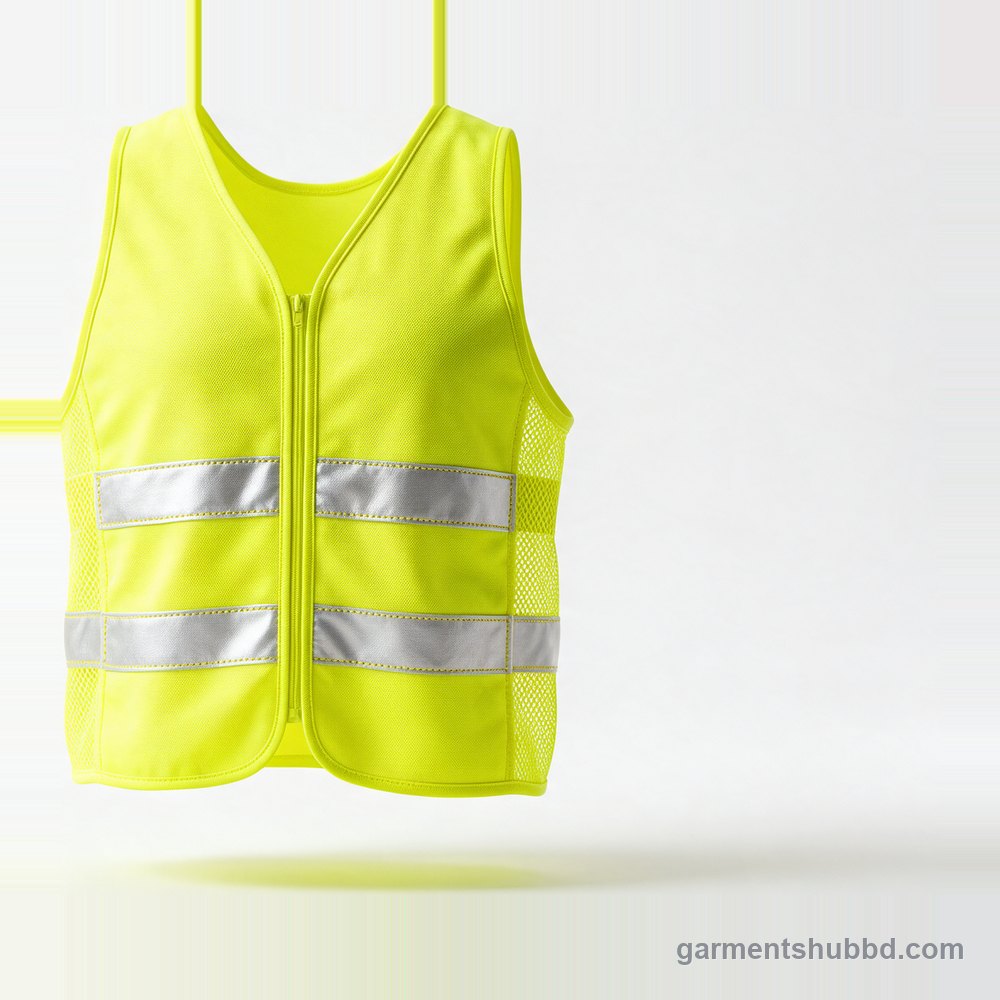
Garments Hub BD sends a hi-vis range to plants on its bench that sew workwear and buy certified fluorescent cloth, with the standard, class and wash route on the enquiry so every quote prices the same fabric and tape. The vest has its own page; this one covers the range around it and how the pieces combine.
Kinds of hi-vis workwear
Hi-vis jackets and parkas
Woven polyester shells, often waterproof and padded, with tape round the body and both sleeves. Banded long sleeves let a jacket reach class 3 on its own.
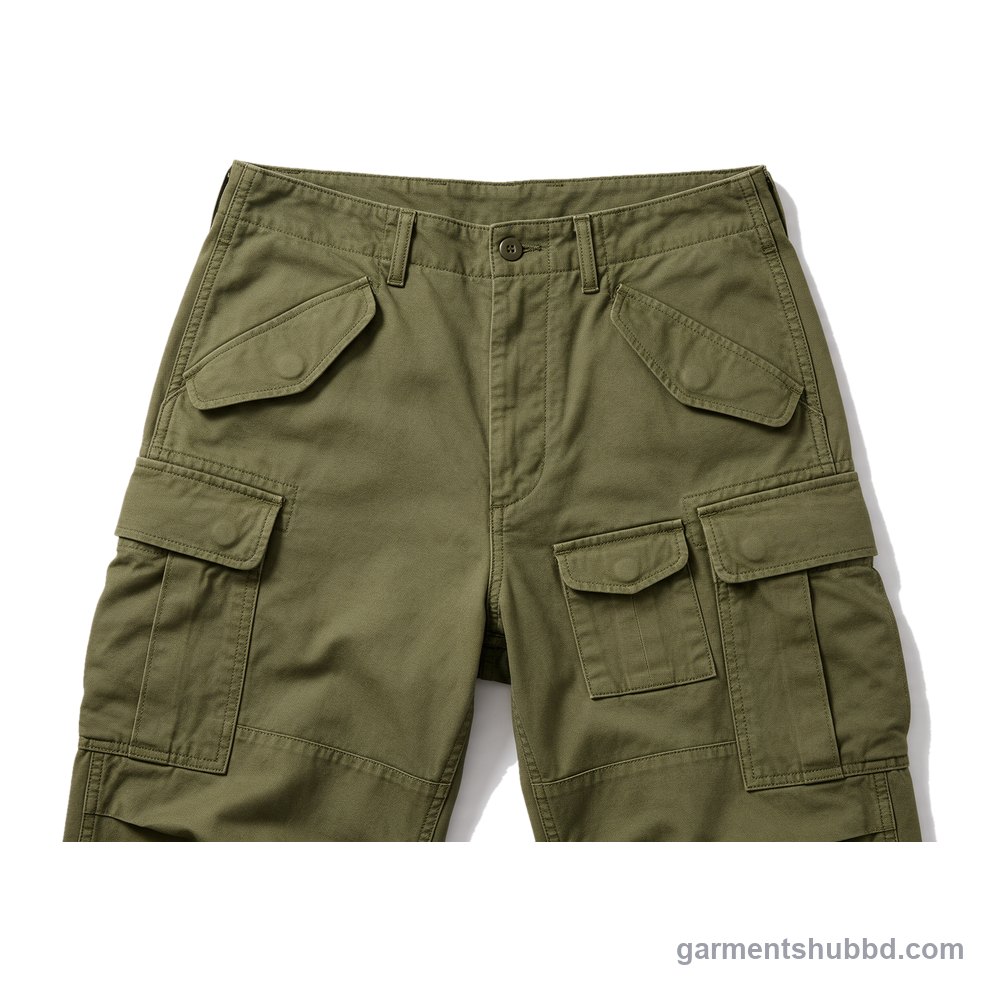
Hi-vis trousers and bib trousers
Fluorescent poly cotton or polyester with two tape bands round each leg. Worn with a hi-vis top, they can lift the outfit to class 3 when the combination is tested and marked.
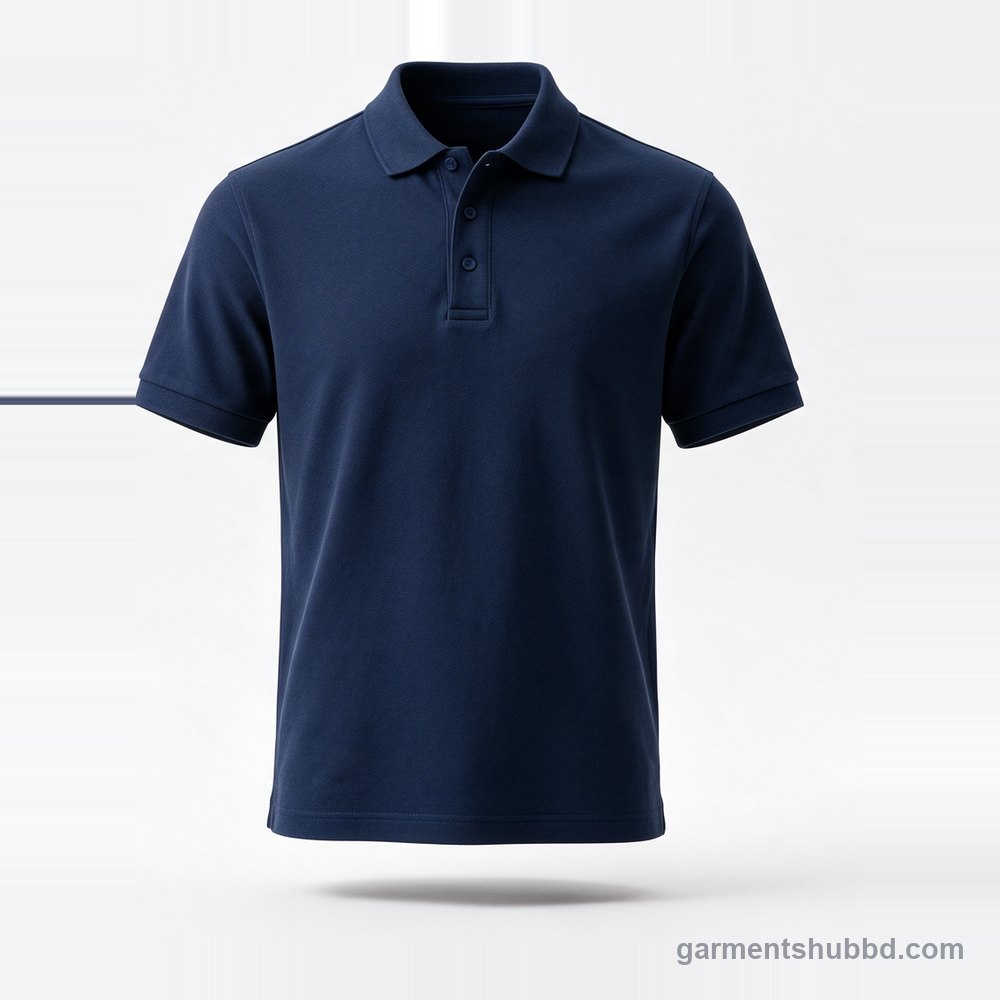
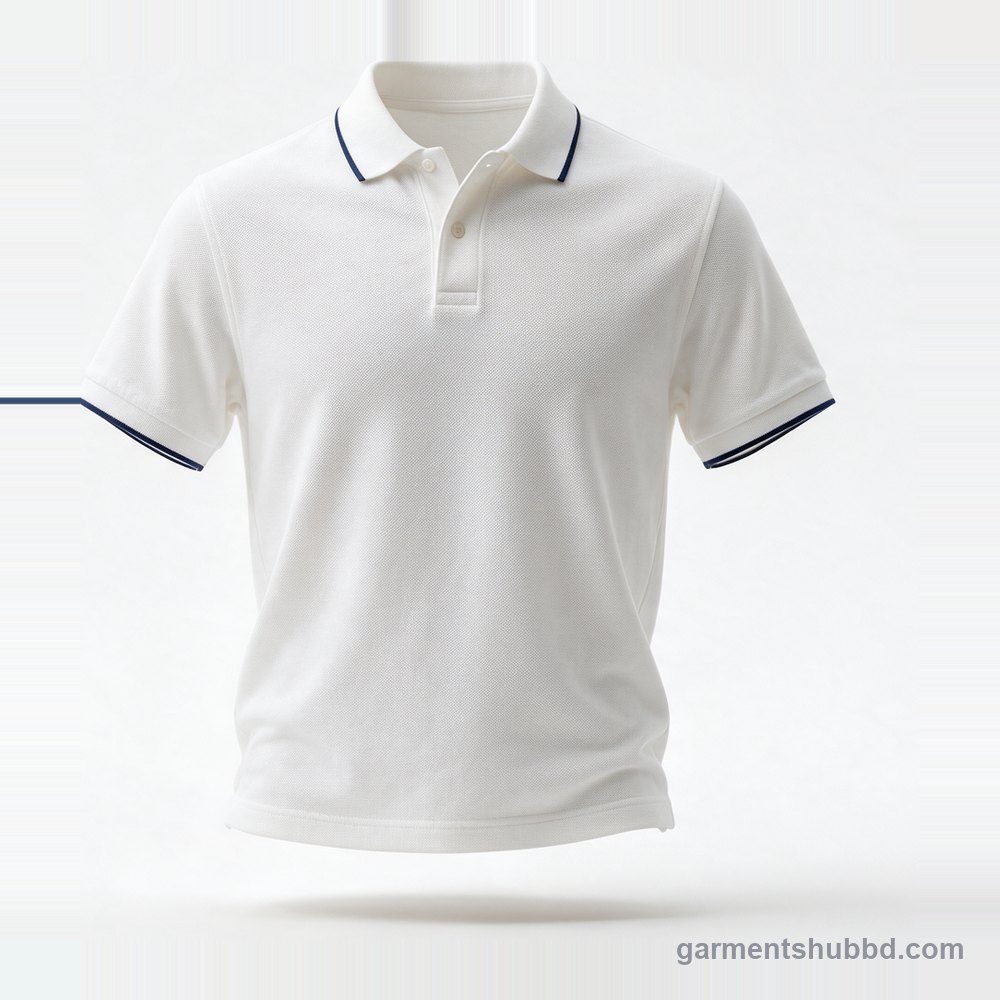
Hi-vis polos and tees
Knitted fluorescent polyester, usually birdseye or interlock, with sewn or segmented heat applied tape. Cool to wear, though on its own a short sleeve top usually stops at class 2; class 3 needs banded sleeves or a tested combination.
Hi-vis sweatshirts and fleeces
Fluorescent fleece or brushed knit with tape, for cold starts on site. The tape has to stay bonded on a body that stretches more than a woven shell.
Two tone hi-vis
Fluorescent upper panels with navy or black below, where dirt shows most. The dark panels count for nothing towards the class, so the fluorescent area is checked on each size.
What to send a hi-vis workwear manufacturer in Bangladesh
- Standard and class per garment
- EN ISO 20471 or ANSI/ISEA 107, the class each garment must reach alone, and any combination sold as an outfit. For ANSI, add the type: off road, roadway or public safety.
- One fluorescent colour
- Yellow, orange or red, the same across knit and woven pieces. Each fabric is certified for its own colour, so every cloth in the range carries its own report.
- Tape type and method
- Glass bead or prismatic, sewn or heat applied, with its rated wash cycles. Segmented heat applied tape suits stretchy knits; sewn tape suits heavy woven shells.
- Wash route
- Home washing, or industrial laundering for rental and contract programmes. Cloth and tape are each rated for a route, and industrial washing is the harsher one.
- Sizes that carry the class
- Small sizes have less surface, so name the smallest size that must hold the class. Layouts are checked there first.
- Logos and pockets
- Printed logos and dark pockets reduce the counted area. Give their size and position so the layout still clears the class in every size.
Standards and tests for hi-vis workwear
- EN ISO 20471
- Classes 1 to 3 by minimum areas of fluorescent background and retro reflective material. Class 3 needs the torso covered plus banded sleeves or banded full length trouser legs, or a combination tested as one.
- ANSI/ISEA 107
- The US standard, by type and class. Class E trousers and shorts worn with a class 2 or class 3 top make a class 3 ensemble.
- ISO 15797
- Industrial laundering of workwear. For rental programmes, ask that fluorescent cloth and tape were tested through the industrial cycles stated on the label.
- EN ISO 11612
- Flame resistant clothing. Where hi-vis also carries a flame claim, the fluorescent cloth, tape and thread are all flame resistant and the garment is tested to both standards.
What moves the price of hi-vis workwear
- Certified fluorescent cloth, which costs more than ordinary dyed workwear fabric.
- Tape length: long sleeves and trouser legs carry far more tape than a vest.
- Prismatic and segmented heat applied tapes over sewn glass bead tape.
- Industrial wash ratings on cloth and tape for rental programmes.
- Test reports, one for each new design or fabric combination.
Lead time for hi-vis workwear
Certified fluorescent cloth is often stocked in yellow and orange, but a coated shell or a knit in an uncommon weight is made to order and adds mill days. Stock tape is quick; tape rated for industrial washing may not be. A report for a new design, asked for on the quote form, adds the laboratory's time. The quote shows each of these as a dated step.
What we check on hi-vis workwear before shipment
- Fluorescent shade across piecesJackets, trousers and polos from different mills are laid together in daylight and compared with each fabric's approved standard.
- Tape on stretch knitsHeat applied tape on polos and sweatshirts is stretched with the knit and checked for cracking and lifting at segment edges.
- Band heights by sizeBand heights and gaps are measured on the smallest and largest sizes, where a layout error breaks the class first.
- Label against reportEach garment's label carries the class, standard, size and cleaning cycles shown in its own test report, knit and woven pieces alike.
Questions buyers ask about hi-vis workwear
Can a hi-vis top and trousers together make a class 3 outfit?
Yes. Under ANSI/ISEA 107, class E trousers with a class 2 or 3 top make a class 3 ensemble. Under EN ISO 20471, a combination can be classed when it is tested and marked as one. The class belongs to the tested outfit, so plan the pairing before testing.
Can knit and woven pieces match in colour?
Close, not identical. Each fabric must sit inside the standard's colour range, yet polyester knits and poly cotton wovens read differently even within it. Approve all fabrics together in daylight, and keep each fabric type with one mill so it stays consistent.
How long does a hi-vis garment stay compliant?
For the cleaning cycles on its label, washed the stated way. Fluorescent colour fades with sunlight and washing, and tape loses brightness. Rental garments washed industrially need cloth and tape rated to ISO 15797, and should be retired at the labelled cycles.
Can we print our logo on hi-vis workwear?
Yes, within the layout. A logo covers fluorescent area, so it sits where the design can lose that area and still hold its class in the smallest size. Use ink rated for the garment's wash route, and print the logo on the design that goes for testing.
Get a quote for hi-vis workwear
Tech pack or sketch with quantities per colour. A compared quote in 48 hours.