Men's wear, your specification
Made to your tech pack, fabric and colours by a factory matched to the order.
Private label
Your main label, care label, hangtag and polybag. Nominated trims accepted.
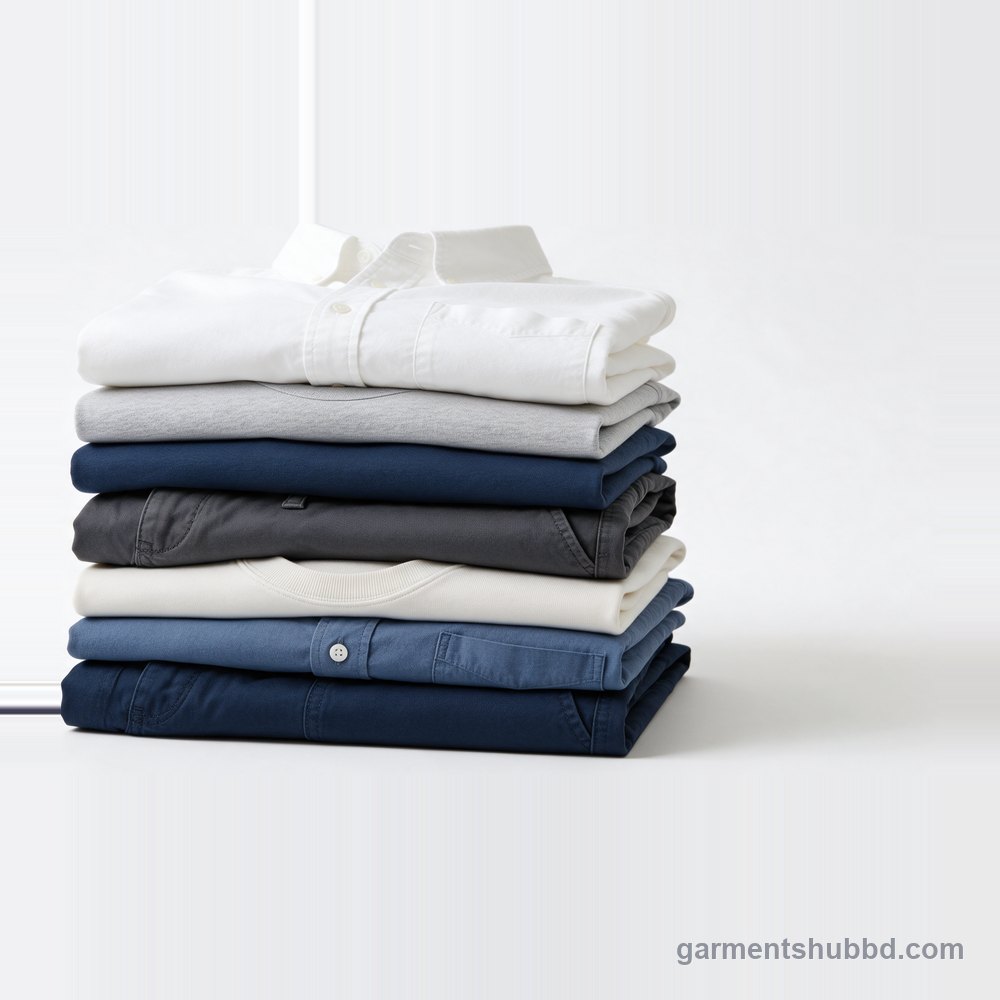
Men's wear here means a range rather than a product: a season of shirts, chinos, jeans, polos, tees, sweaters and a jacket or two, in one palette and one size system. No single men's wear manufacturer in Bangladesh makes all of that well. Woven shirts and trousers, circular knits and flat knit sweaters come from different plants with different machines, minimums and lead times.
Garments Hub BD splits the range by construction, sends each part to two plants on its bench that run it, and lays the quotes for the whole range out on one sheet. One trim card, one size chart and one shade standard go to every plant, so the shirt, the polo and the sweater in navy arrive as one collection.
Men's wear groups and the plants that make them
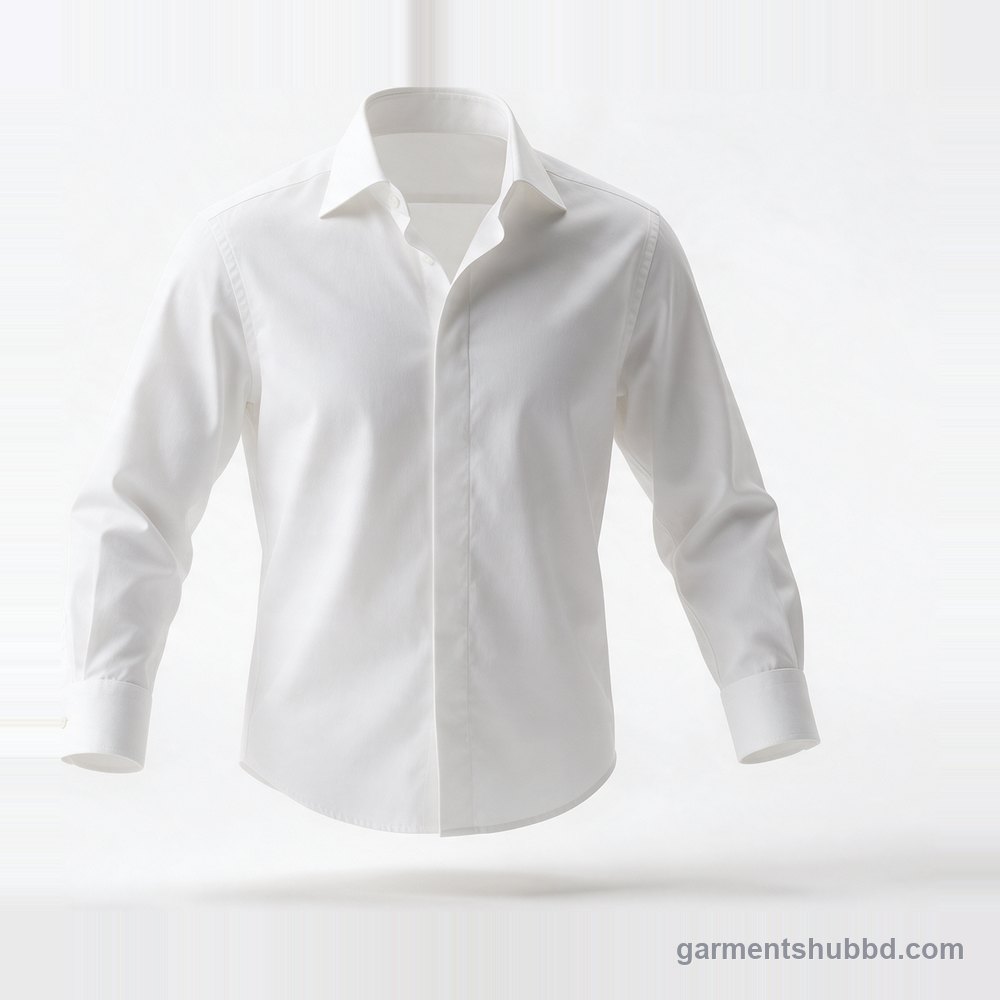
Woven shirts
Formal, casual and work shirts from woven shirt plants: poplin, oxford, twill, flannel and linen, with fused collars and cuffs. The custom shirt and formal shirt pages go deeper on each.
Woven trousers and jeans
Chinos and cargo trousers from woven bottom plants; jeans from denim plants that work with a laundry. Choose a denim plant for anything washed, because the wash is where that garment is finished.
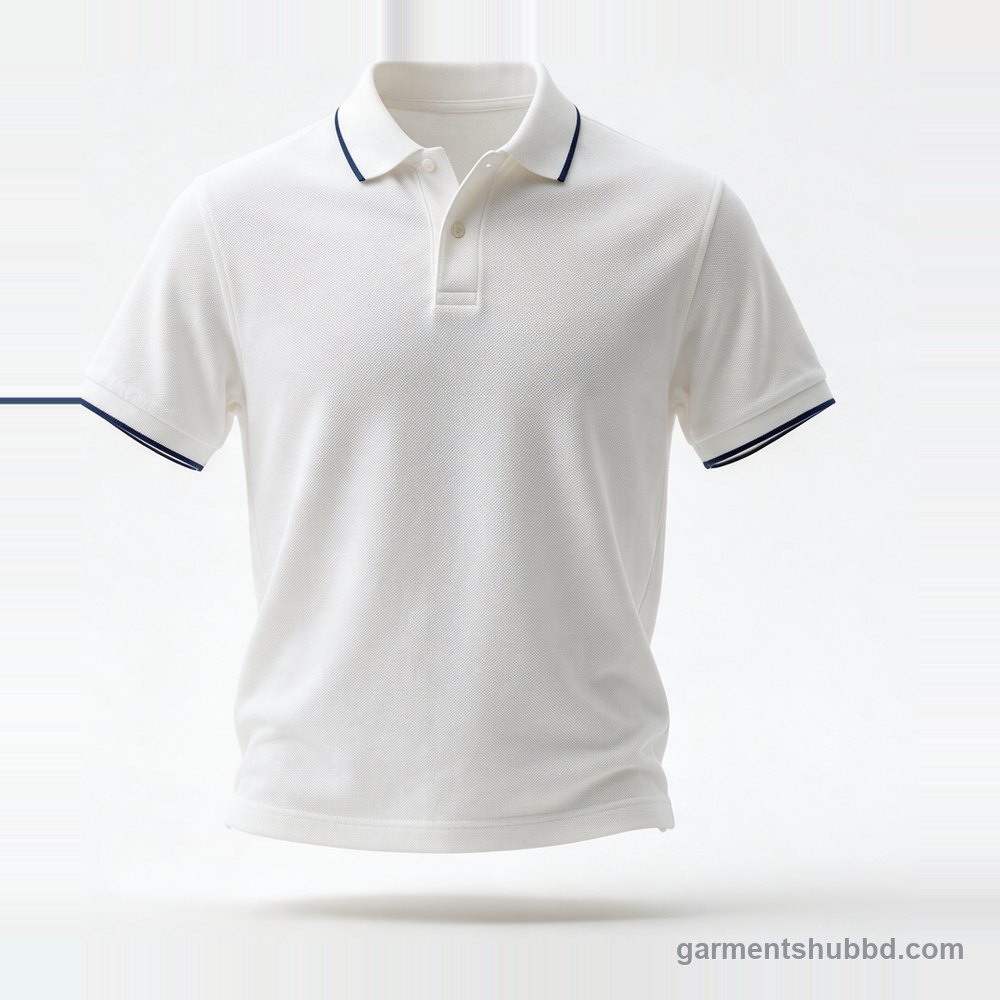
Cut and sew knits
Tees, polos, hoodies and joggers from circular knit plants that knit, dye and sew jersey, pique and fleece. Usually the volume end of a men's range, and quick to repeat.
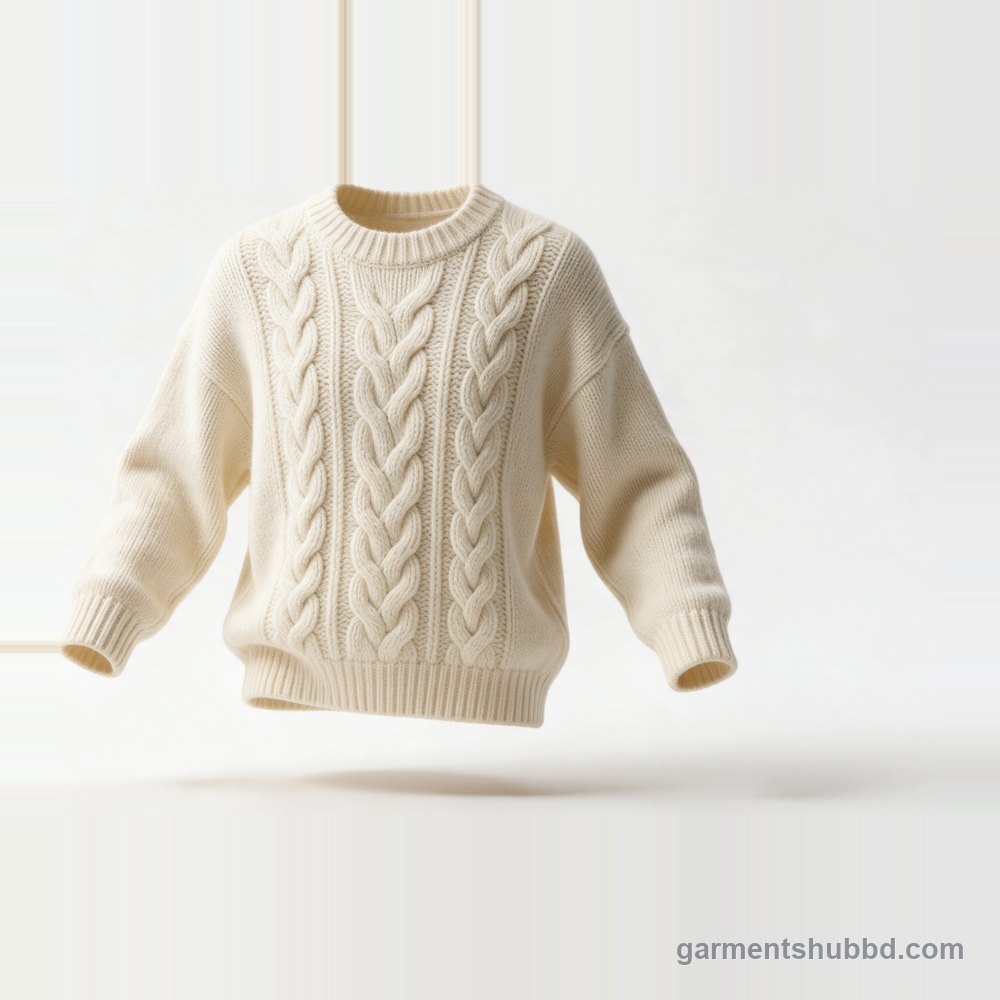
Sweaters and knitwear
Crew, V neck, zip and cardigan sweaters from flat knit plants, specified by gauge and yarn. A separate plant type with its own yarn lead time, so plan it first in the season.
Jackets and outerwear
Bombers, work jackets and padded coats from outerwear plants with quilting and, where needed, seam taping. Book them early, because their zips, snaps and fills arrive slowly.
How to specify a men's range
- Range split by plant
- List every style with its construction: woven top, woven bottom, denim, circular knit, flat knit or outerwear. Each group is quoted by plants that run it, with its own minimum.
- Size system per product
- Shirts in collar sizes or S to XXL, trousers in waist and inside leg, knits in alpha sizes. Fix the system for each style before patterns are made.
- Size curve by market
- Send the ratio per size for each market. A curve copied from another market leaves stock in the wrong sizes.
- Grading increments
- Men's alpha tops usually grade 4 to 5 cm on chest per size, and trousers in numbered waist sizes move one or two inches per size. Confirm the increments for every block.
- One palette across bases
- A navy shirt, navy polo and navy sweater are dyed on shirting, pique and yarn. Approve a lab dip on each base against one standard.
- One trim and label pack
- Buttons, woven labels, care labels and swing tags specified once and sent to every plant, so the range reads as one brand when it lands.
Audits and labels a men's wear manufacturer in Bangladesh must meet
- amfori BSCI
- Many EU retailers ask for this social audit at every plant behind an order, not only the main one. Name it early, so woven, knit and sweater plants are all matched to it.
- WRAP
- The social compliance certification many US buyers ask for. When a range splits across three plant types, each of them usually needs to hold it.
- Wool Products Labeling Act
- For wool and wool blend sweaters sold in the US, the label states wool content by percentage, with recycled wool shown separately from new wool.
- FTC Care Labeling Rule (16 CFR 423)
- A permanent care label on every garment sold in the US. Shirts, jeans and sweaters need different instructions, so send care wording per style, not one for the range.
What moves the price of a men's range
- Three plant types mean three sets of samples, three minimums and three inspections.
- Yarn dyed shirting costs more than piece dyed, and checks need extra fabric for pattern matching.
- Denim laundry processes are priced per garment on top of the sewing.
- Sweater price follows yarn, gauge and knitting time per piece more than size.
- Sizes above XXL use more fabric and are often priced as a separate band.
Lead time for men's wear
A men's range ships when its last group is ready. Shirts and knits often clear sampling in the 7 to 14 day window, while sweaters wait on yarn and jeans wait on wash approval. Bulk for each group typically runs 30 to 60 days after its own PP approval. If the range is to share a container, ask the plants to align ex factory dates when the order is placed; the quote confirms them.
What we check on men's wear before shipment
- Navy across plant typesShirt, polo, sweater and chino in each shared colour laid together against one standard under the agreed light.
- Size label against measurementCollar and waist labels checked against the measured garment; a 16 inch label on a 15.5 inch collar is a return.
- Trim card matchButtons, labels and swing tags from every plant compared with the approved trim card before packing starts.
- Carton marks and ratiosCarton marks, size ratio per carton and style codes checked against one format across all plants.
Questions buyers ask about men's wear
Can one enquiry cover shirts, chinos, tees and sweaters?
Yes. Send the full range with quantities per style and colour. It is split by construction and each group goes to plants that run it, so you get quotes per group on one sheet. Each group has its own minimum per colour, so a very small style may be better merged.
Which size curve suits a US men's range versus a European one?
Your own sales data comes first. Without it, a US men's curve usually weights L and XL more heavily and carries XXL in depth, while European curves sit closer to M and L, and many Asian curves peak at S and M. Send the ratio per size per market.
Should men's shirts be sized by collar or by S to XL?
Collar sizes, in half inches, suit formal shirts sold on neck fit. Casual and work shirts usually sell in S to XXL, which simplifies the size curve and the stock. Many ranges use both, with each block graded in its own system.
Do all the plants in a mixed range need the same audit?
If your buyer asks for amfori BSCI or WRAP, it usually applies to every plant making goods for the order, not just the shirt factory. Name the audit with the enquiry, and each part of the range is quoted only by plants matched to it.
Get a quote for men's wear
Tech pack or sketch with quantities per colour. A compared quote in 48 hours.