Organic cotton clothing, your specification
Made to your tech pack, fabric and colours by a factory matched to the order.
Private label
Your main label, care label, hangtag and polybag. Nominated trims accepted.
Organic cotton clothing sews like conventional cotton; what the buyer pays for is the certified chain behind it. The fibre is grown abroad and imported, then spun, knitted or woven, dyed and sewn in Bangladesh, and each of those steps must sit inside a certificate. An organic cotton clothing manufacturer in Bangladesh is the last link, and the label claim is only as strong as the weakest link before it.
Garments Hub BD matches each product in the range to factories whose GOTS or OCS scope certificate lists it, and checks the spinner and dye house behind them. The desk holds no certificate of its own; it finds the chain that does, and the quote says where a link is missing before you commit.
Kinds of organic cotton clothing
Organic tees and jersey tops
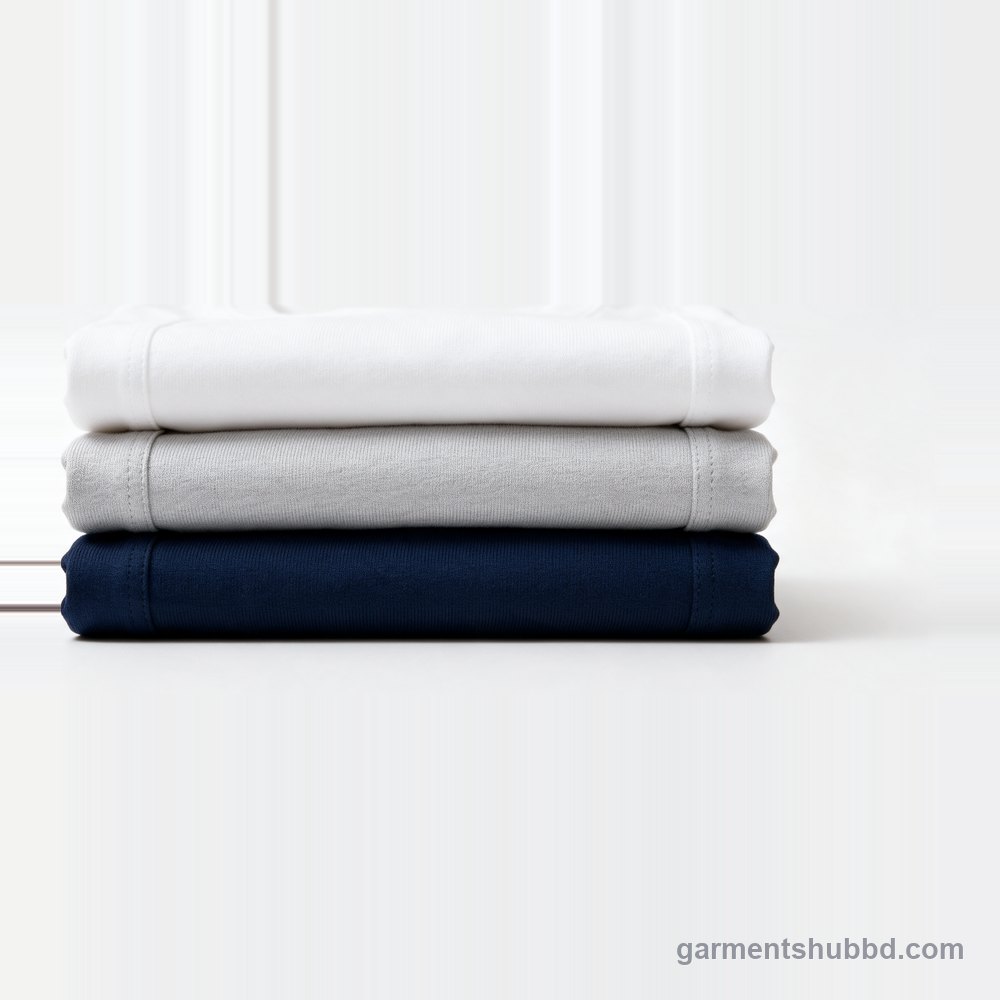
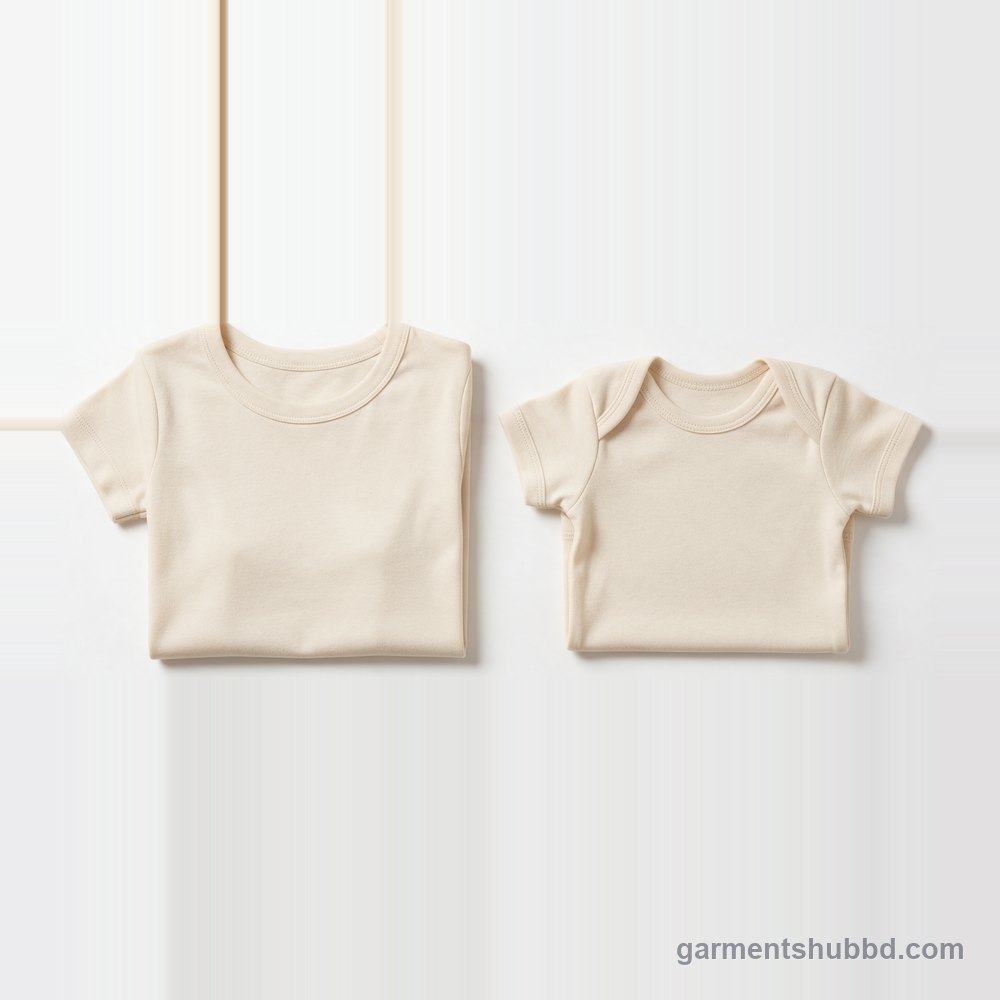
Combed organic jersey, the simplest product to certify and the usual first step into organic. Ecru, white and a short run of dyed shades keep the dye house work light.
Underwear and leggings
Organic cotton with elastane, where the elastane share decides the grade the product can carry. Organic underwear has its own page for the detail.
Baby wear
Interlock and rib bodysuits and sleepsuits, where buyers commonly ask for GOTS alongside OEKO-TEX product class I, since one proves the fibre and the other the finished article.
Hoodies and sweatshirts
Organic fleece, where the polyester many fleeces carry needs checking first. An 80 percent organic fleece can at most carry the made with organic grade, and GOTS also caps the synthetic share of the rest, so the polyester content is checked before any grade is promised.
Towels and bed linen
Organic terry from towel mills on the bench; bed linen has no bench yet, so the desk finds and vets a unit for the enquiry. A pack or set sold as organic needs every piece in it certified.
Organic twill caps
Caps have no bench yet, so the desk finds and vets a cap unit for the enquiry, and that unit's own scope certificate has to cover cap making.
What to send an organic cotton clothing manufacturer in Bangladesh
- Standard and grade per product
- GOTS organic, GOTS made with organic or OCS, product by product. One range can mix grades, such as organic tees beside made with organic leggings.
- Full fibre mix
- The composition of each product, elastane and any polyester included. Every non organic fibre counts against the organic share and can move the grade.
- Accessories
- Thread, elastic, labels, ribs and drawcords. GOTS has its own rules for accessories, so list them and ask which ones the certified factory can source.
- Colour plan
- Ecru, white or dyed shades, and how many. Each dyed shade is a lot at a dye house whose scope covers dyeing, with its own minimum in kilos.
- Products per mill
- A tee, a legging and a towel come from different mills and plants, and each one's scope must list that product and process.
- Label wording
- The exact claim and logo you plan to print, sent with the enquiry. The certification body approves wording, so drafting it first avoids reprinted labels.
Certificates for organic cotton clothing
- GOTS (Global Organic Textile Standard)
- Owned by Global Standard gGmbH. Organic fibre with chain of custody: the organic grade needs at least 95 percent certified organic fibre, made with organic at least 70 percent.
- OCS (Organic Content Standard)
- Owned by Textile Exchange. Tracks the amount of organic material in a product, with no chemical or social criteria, and stays outside the Materials Matter Standard.
- Better Cotton
- A farming programme, not a product test, on mass balance by default: Better Cotton on a garment does not mean its cotton grew on those farms. Physical BCI Cotton, traced to country of origin, exists since the end of 2023.
- OEKO-TEX STANDARD 100
- A separate test for harmful substances. Organic fibre alone does not show that the dyes and finishes on the garment are safe, so baby ranges often carry both.
What moves the price of organic cotton clothing
- Certified yarn: organic counts carry a premium and are not always held in stock.
- Spinning to order when no certified yarn is held, which adds a yarn minimum.
- Dye lots at a certified dye house, each with its own minimum in kilos per shade.
- Licence and audit fees at the spinner, dye house and factory, which each certified link prices into the yarn, the dyeing and the making.
- Accessories that meet the standard, such as approved elastic and thread.
Lead time for organic cotton clothing
Most of the extra time in organic sits before cutting. Certified yarn not in stock is spun to order, each dyed shade waits for a slot at a dye house whose scope covers dyeing, and home textiles come from separate mills. The transaction certificate is applied for once shipment details exist and can take days to issue. The quote names each step and its days.
What we check on organic cotton clothing before shipment
- Scope against productEach factory's scope certificate is read for the product category and process of every item in the order, from tees to towels.
- Grade against compositionThe fibre content on each care label is checked against the grade printed beside it, so a made with organic legging never says organic.
- Accessory recordsElastic, thread and label deliveries are checked against the accessory list agreed for the order.
- Cartons kept apartOrganic and conventional styles in one shipment are packed and carton marked apart, so the certificate quantities match the cartons.
Questions buyers ask about organic cotton clothing
Is organic cotton grown in Bangladesh?
Bangladesh imports almost all of its cotton, organic included. The fibre or yarn arrives from abroad and is spun, knitted, woven, dyed and sewn here. That is normal for the chain: each stage in Bangladesh needs its own certificate, and the paperwork traces the fibre back to its origin.
Can one range mix organic and conventional products?
Yes. Organic styles carry the claim and conventional ones do not, and the factory keeps them apart on the floor. Mark the organic styles clearly on the enquiry. Many brands move across in stages, starting with tees and baby wear, where certified yarn in common counts is easiest to find.
Which products are hardest to make in organic cotton?
Stretch products, heavy fleece and yarn dyed stripes. Elastane and polyester affect the grade, and specialist or heavy yarns may need spinning to order. Plain jersey tees, baby interlock and terry towels are simpler, because certified yarn in common counts is widely spun.
How does the colour plan affect an organic order?
Every dyed shade is a separate lot at a dye house whose scope covers dyeing, with a minimum in kilos. A short palette of ecru, white and two or three dyed shades keeps lots full. Many colours in small quantities raise the cost and can leave a shade below the dye house minimum.
Get a quote for organic cotton clothing
Tech pack or sketch with quantities per colour. A compared quote in 48 hours.