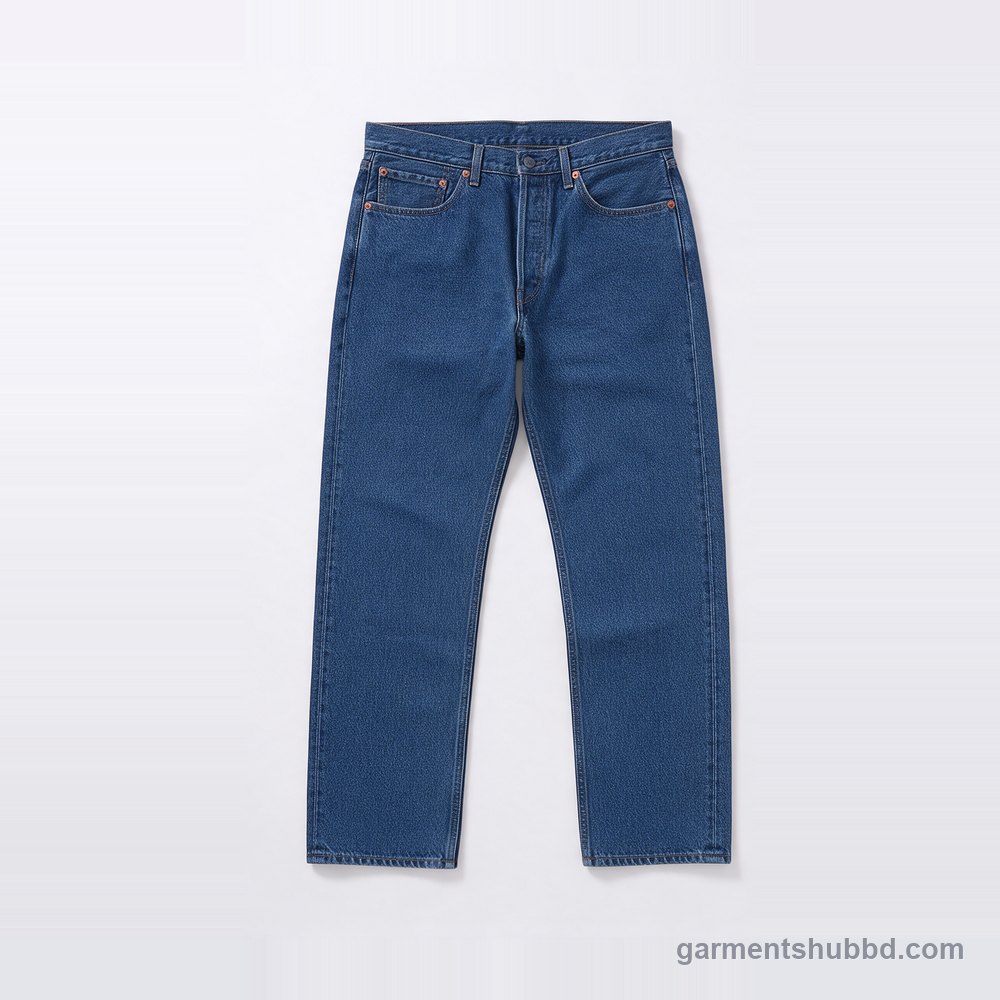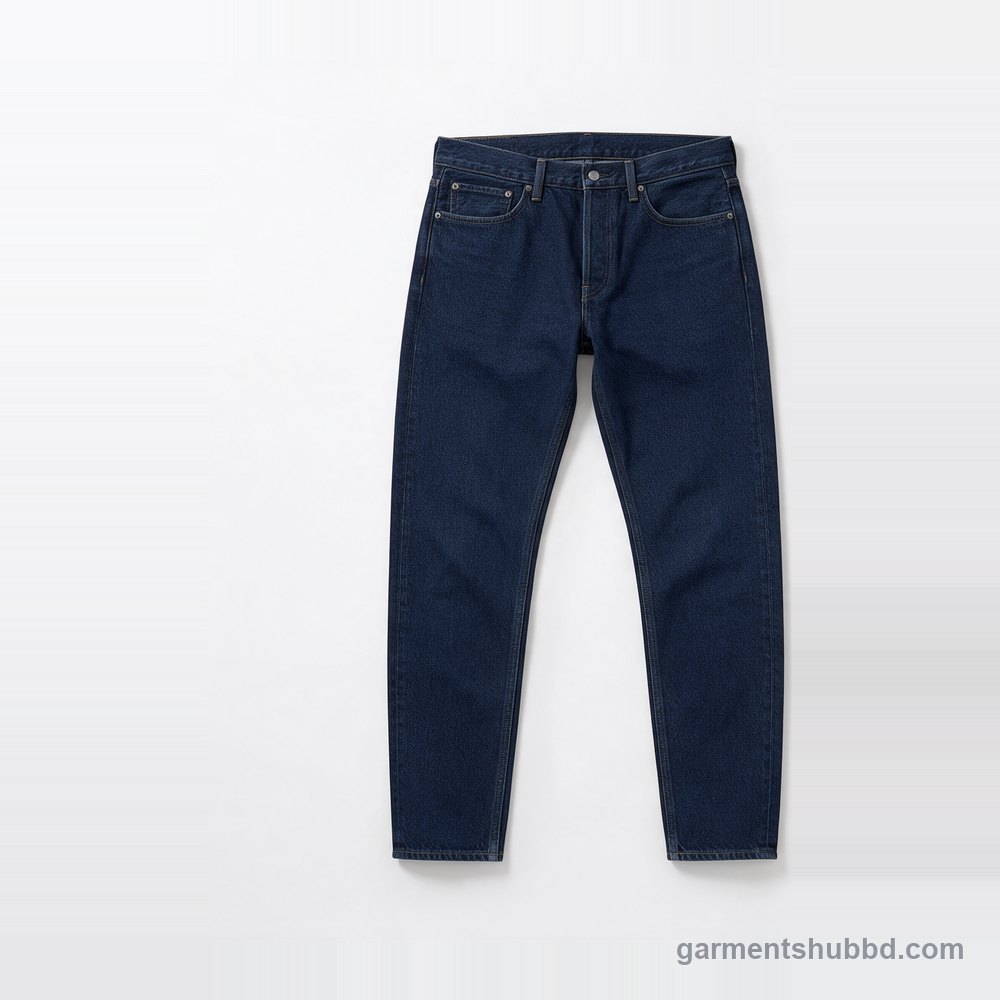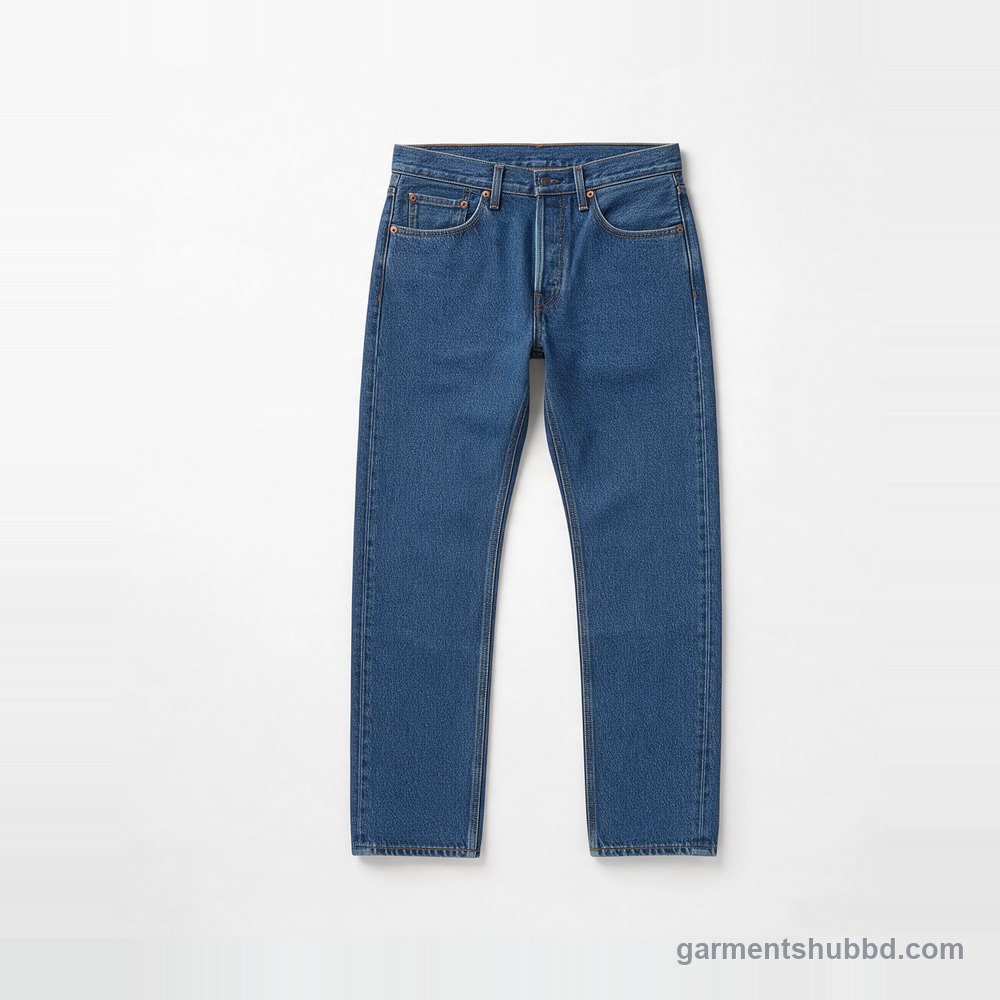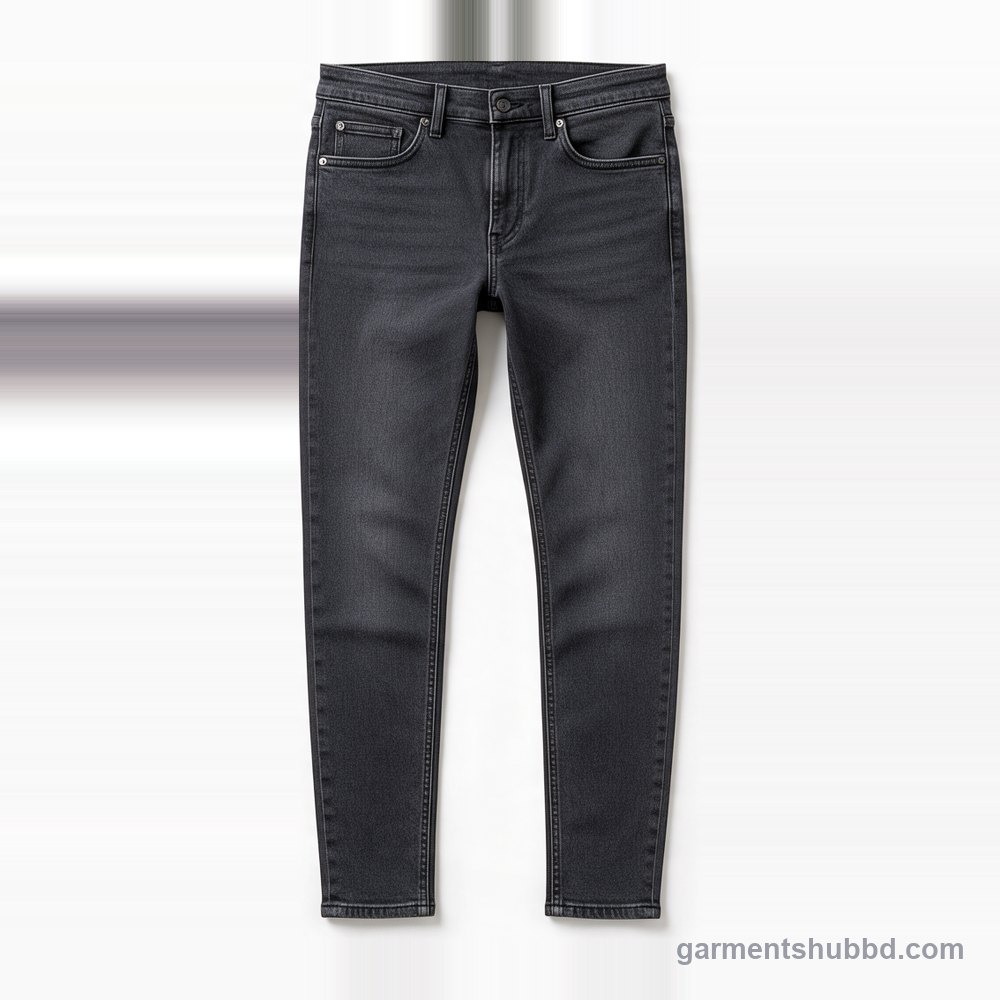
Skinny jeans, your specification
Made to your tech pack, fabric and colours by a factory matched to the order.
Private label
Your main label, care label, hangtag and polybag. Nominated trims accepted.
Skinny jeans hug the leg from hip to ankle, which only works in denim that stretches and comes back. They use lighter cloth, usually 9 to 11 oz, with 2 percent or more elastane, often in the weft only and sometimes in both directions. Women's denim brands carry them as a core fit, and men's ranges keep a skinny alongside the slim. A skinny jeans manufacturer in Bangladesh is judged on the knee after a day's wear, because denim without recovery bags there by the second wearing.
The same denim, stretch and growth limits go to two bench factories, so their quotes compare like for like cloth rather than one cheaper denim that relaxes faster. The PP pair is tested, approved in writing and photographed with the rest of the order, and the photographs are yours.
Kinds of skinny jeans
Women's high rise skinny
A higher rise with a curved seat and waist, in high stretch denim, often at 3 to 4 percent elastane. It must hold in at the stomach and recover at the knee.
Men's skinny
A lower rise, flatter seat and more thigh room, usually around 2 percent elastane with more cotton character, keeping a denim look while sitting close to the leg.
Two way stretch skinny
Elastane in both warp and weft, so the denim stretches lengthways as well as across. Closest to a jegging; without strong recovery yarns it grows fast.
Ankle skinny
Cut to end above the ankle bone, often with a raw or released hem. The inseam per size matters more than on a full length.
Limits to give a skinny jeans manufacturer in Bangladesh
- Stretch and growth limits
- The stretch across the leg and the growth allowed after a timed hold, in writing. Growth is the part of the stretch that does not come back.
- Elastane and yarn
- Elastane share, usually 2 to 4 percent, and whether it is plain core spun or a dual core yarn with a recovery filament, which holds shape longer.
- Knee and calf
- Knee and calf widths at stated points below the crotch. On a skinny they sit close to the body, so the tolerance is tight.
- Seam build
- Stitch density, thread and seam type at the seat and inseam. Seams on stretch denim must give with the cloth or they split or pull open.
- Block by gender
- Separate women's and men's blocks. Rise, seat curve and thigh differ, and grading one from the other gives neither fit.
- Wash limits
- Washes that suit elastane, such as enzyme, light stone and laser. Strong bleach and high heat damage elastane and cut recovery.
Tests for skinny jeans
- ISO 13935
- Seam strength. Ask for it on the seat seam and inseam, where a squat puts stretch denim under heavy strain.
- ISO 13936
- Seam slippage in woven fabric. High stretch denim can pull its yarns away from a seam before the thread breaks, and this test shows it.
- ISO 12947
- Martindale abrasion. Light stretch denim wears through at the inner thigh, so test the bulk cloth for a fit that rubs there.
What moves the price of skinny jeans
- Elastane yarn: dual core recovery yarns cost more than plain core spun elastane.
- Two way stretch: elastane in warp and weft raises the denim price again.
- Testing: stretch, growth and seam tests on fabric and on the PP pair add lab cost.
- Seams: higher stitch density and stretch thread slow the line.
- Wash: low temperature washes and laser finishing protect the elastane but limit cheaper options.
Lead time for skinny jeans
Skinny jeans follow the usual 7 to 14 days to sample and 30 to 60 days for bulk after the washed PP pair is approved in writing, with 60 to 90 days typical from order confirmation to shipment. Stretch and growth tests on the bulk denim before cutting add days, and so does a second fit round on a new women's block. The quote confirms the dates.
What we check on skinny jeans before shipment
- Growth after a timed holdA fabric strip or PP pair is stretched, held and released, and the length that does not return is checked against the limit.
- Knee after wearFit pairs are worn for a day and checked at the knee for bagging that has not recovered by the next morning.
- Seat seam under stretchThe seat seam is stretched to check for broken stitches and yarn slippage showing as a gap along the seam.
- Calf and ankleCalf and ankle widths are measured on every graded size, since an ankle cut too narrow will not pass over the heel.
Questions buyers ask about skinny jeans
What is growth in skinny jeans, and how is it tested?
Growth is the length a denim keeps after being stretched and released. A strip of fabric is stretched to a set load, held for a time, released and measured. The lower the growth, the less the knee bags, so agree the limit in writing before the fabric is ordered.
Can skinny jeans take a heavy bleach or stone wash?
Only within limits. Strong bleach, high temperatures and long stone cycles damage elastane and reduce recovery. Enzyme, light stone and laser finishes suit stretch denim better. For a very light shade, choose a lighter denim at the mill rather than bleaching a dark one hard.
Do men's and women's skinny jeans use the same pattern?
No. The women's block has a higher rise, a curved seat and more difference between waist and hip; the men's has a flatter seat and more thigh. Grading one from the other fits neither well, so each needs its own fit sample.
How much elastane should skinny jeans have?
Usually 2 to 4 percent. Men's skinny often sits near 2 percent and women's high stretch styles nearer 3 to 4. Beyond that the denim behaves like a jegging. The share matters less than the recovery result, so ask for both on the fabric report.
Get a quote for skinny jeans
Tech pack or sketch with quantities per colour. A compared quote in 48 hours.