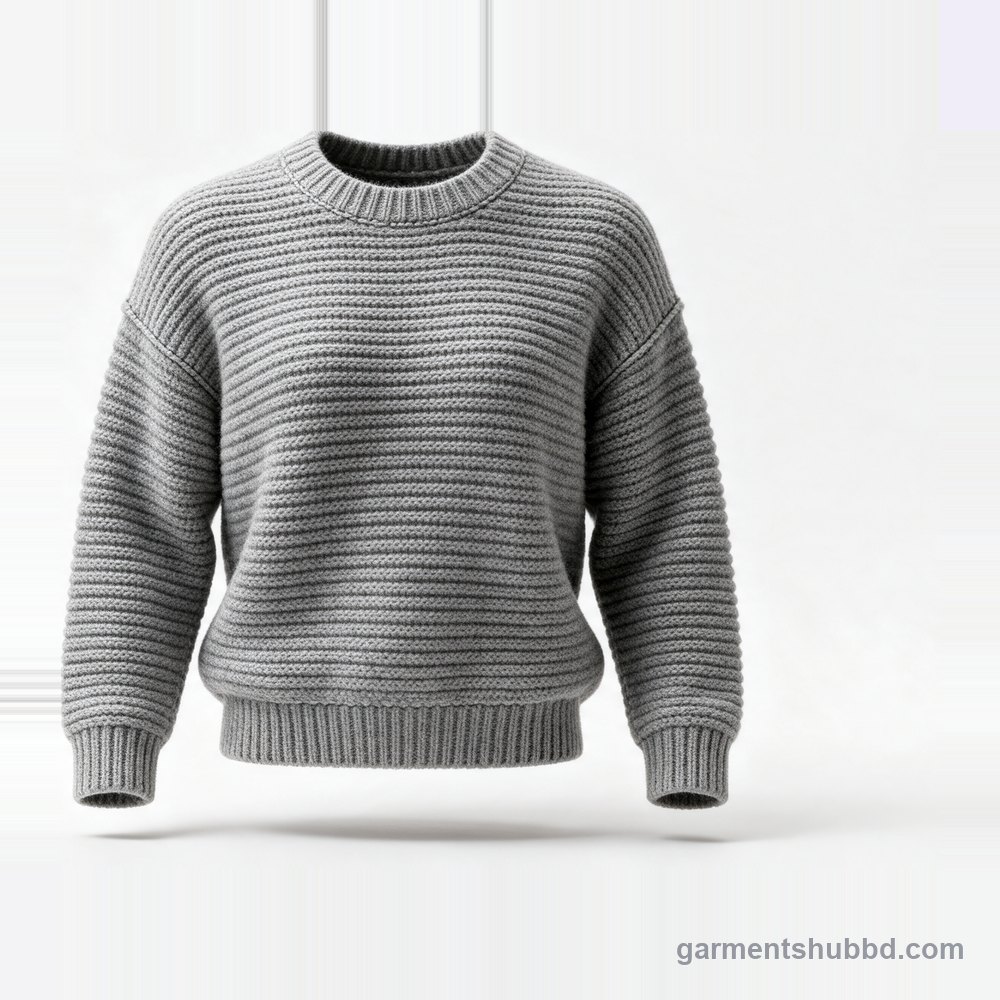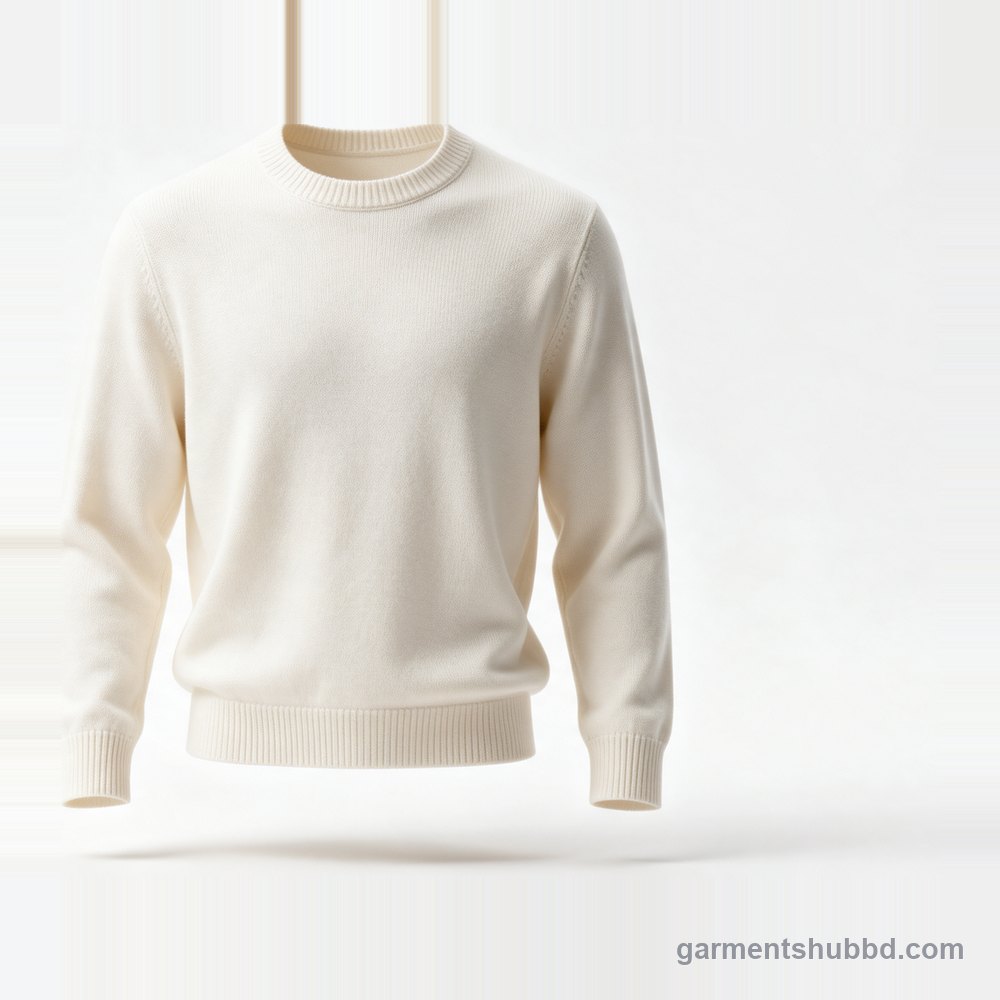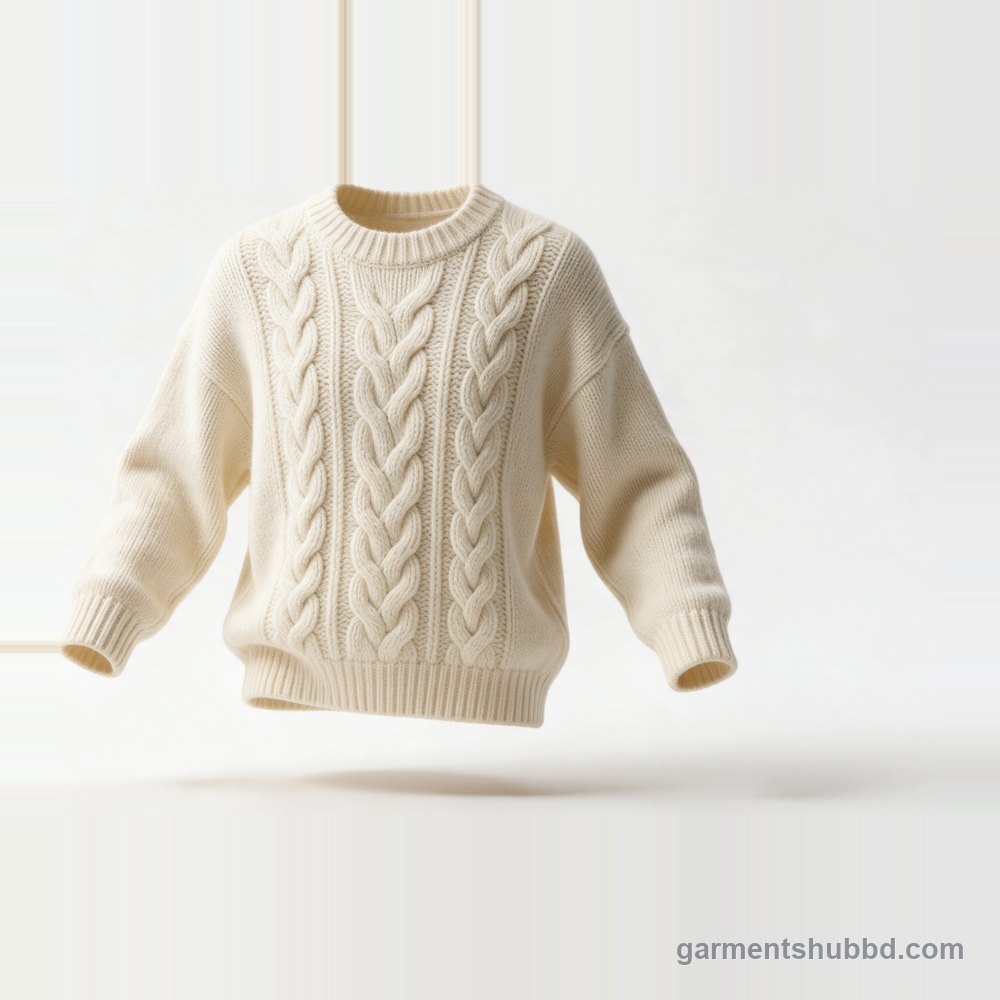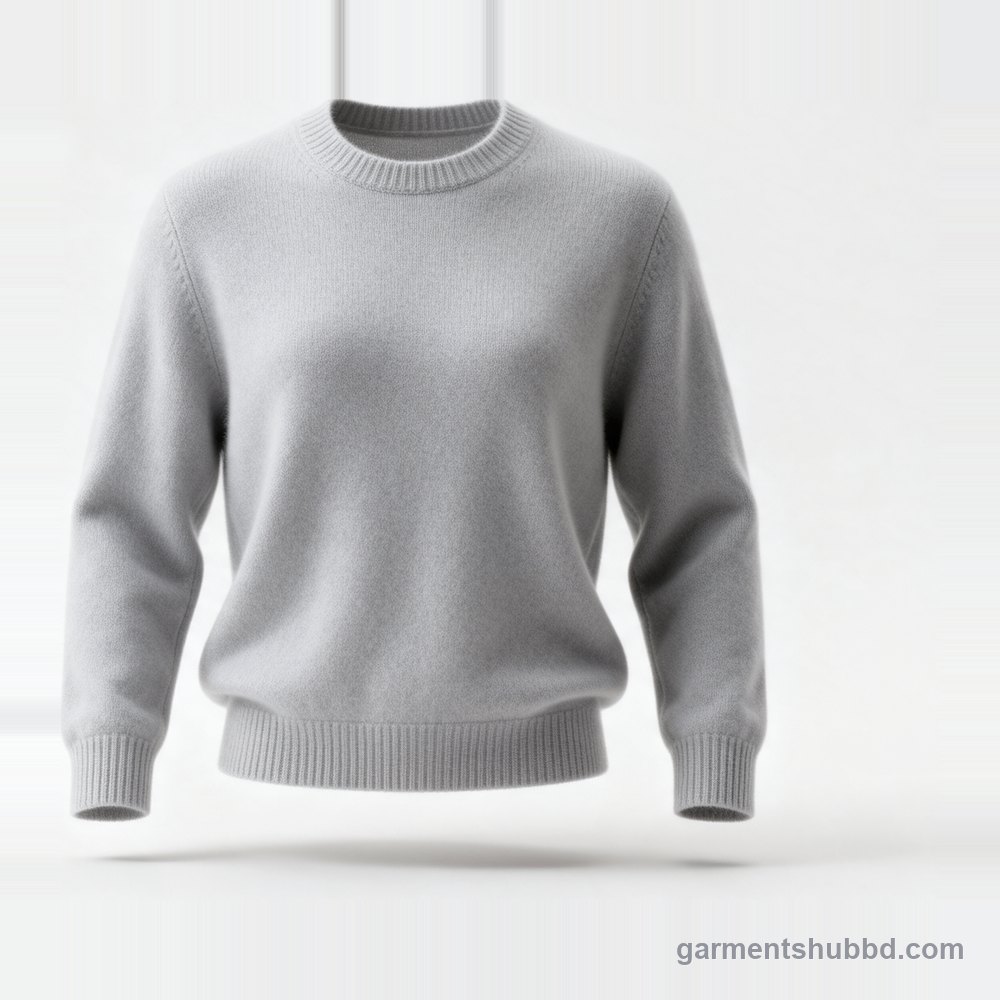
Cashmere sweaters, your specification
Made to your tech pack, fabric and colours by a factory matched to the order.
Private label
Your main label, care label, hangtag and polybag. Nominated trims accepted.
Cashmere sweaters are bought for softness and warmth at a light weight, by fashion brands, department store own ranges and gifting lines. Pure cashmere is mostly spun and knitted by specialist mills, and the yarn is costly and slow to buy. What a cashmere sweater manufacturer in Bangladesh typically offers is a blend at a realistic price, which makes honest labelling and pilling control the two things to get right.
Garments Hub BD tells you plainly what the bench can run. Cashmere blends go to factories that have knitted them before. If none on the bench has run pure cashmere at your quality, the answer is a straight no, with a blend offered in its place. Both factories are asked to quote the blend, micron and yarn source, and the composition test is planned before bulk.
Kinds of cashmere sweater
Cashmere and wool blend
Usually 10 to 30 percent cashmere with fine wool. Softer than wool alone at a fraction of the yarn cost of pure cashmere, and knitted on the same machines as merino. The realistic core of a cashmere range here.
Cashmere viscose blend
Viscose, often with nylon, and a small share of cashmere, frequently under 10 percent. Very soft and drapey at a low price, but the label must show the real cashmere share, and these blends pill easily.
Cashmere silk and cashmere cotton
Fine gauge blends for lighter knits. Silk adds lustre and strength; cotton makes a spring weight. Both are usually knitted at 12 to 14 gauge.
Pure cashmere
All cashmere, usually 12 gauge or finer for a classic jumper. The yarn is booked well ahead, and only some factories have the handling, milling and finishing experience for it.
How to specify a cashmere sweater
- Blend and percentages
- Give the exact fibre percentages and the tolerance for the composition test. The EU allows a 3 percent manufacturing tolerance, and the US requires the cashmere share stated however small.
- Fibre grade
- Ask for mean micron and fibre length. Cashmere is usually 14 to 19 micron, 19 being the US legal ceiling; finer and longer fibre pills less and costs more. White fibre costs more because it dyes to any shade.
- Yarn twist
- A slightly higher twist binds the short fibres in and pills less, at some cost to softness. Agree it on a knitted swatch.
- Gauge and weight
- 12 or 14 gauge for fine knits, 7 for a softer, chunkier jumper. Give a target weight per piece, since cashmere is costed by the gram.
- Milling
- Cashmere is washed and milled after knitting to bloom the surface. Fix the milling time and softener at PP sample, because over milling raises the pilling risk.
- Care label
- Usually hand wash or dry clean. Claim machine wash only on a blend whose bulk has passed a wash test at the label setting.
Label and pilling tests at a cashmere sweater manufacturer in Bangladesh
- Wool Products Labeling Act
- In the US, fibre sold as cashmere must meet a legal definition that includes an average diameter of no more than 19 microns. A microscope fibre test supports the claim.
- Regulation (EU) No 1007/2011
- The EU fibre names rule: every fibre listed by percentage in order of weight. A lab composition test should back the cashmere share before goods ship.
- ISO 12945-1
- Pilling box test, for the main complaint buyers raise about cashmere. Agree a grade before bulk and test the milled sweater, not only the raw yarn.
What moves the price of a cashmere sweater
- Cashmere share: each point of cashmere in a blend costs far more than the wool it replaces.
- Fibre grade: finer micron, longer fibre and white cashmere cost more per kilo.
- Weight per piece, because cashmere yarn is bought and costed by weight.
- Milling, hand finishing and careful pressing take longer than on wool.
- A composition test per yarn lot, and a second one if a result sits close to the label.
Lead time for cashmere sweaters
Cashmere and cashmere blend yarns are usually imported and often spun or dyed to order, so yarn booking can add several weeks before knitting, more for a custom shade. Milling and finishing add days after linking. A composition result that comes back off the label holds shipment until it is resolved. The quote shows the yarn date as well as knitting and shipment.
What we check on cashmere sweaters before shipment
- Label against the lab reportThe sewn fibre label is checked against the composition report for the lot; any gap holds the shipment.
- Pilling at the underarmA milled bulk piece is checked after the wash test for early pills at the underarm and sleeve, where arms brush the body.
- Coarse hair in light shadesLight and white cashmere is checked for dark guard hairs left by dehairing, which show as specks on the face.
- Hand after millingBulk pieces are compared by hand with the approved PP sample for softness and surface bloom.
Questions buyers ask about cashmere sweaters
Can factories in Bangladesh knit pure cashmere?
Pure cashmere needs yarn booked well ahead, careful milling and staff used to a costly fibre, and blends are the more common work here. If no factory on our bench has run pure cashmere at your quality, you get a straight no and a blend offered openly as a blend, never passed off as pure.
How much cashmere must a blend contain to name cashmere on the label?
Any share can be named, but only with its true percentage. A 10 percent cashmere jumper is labelled 10 percent cashmere alongside the other fibres, and selling it as plain cashmere misleads. In the US the cashmere percentage must always be stated, however small, and the fibre itself must meet the legal cashmere definition; in the EU fibres are listed in descending order of weight.
How do I prove the cashmere content?
With a fibre composition test on bulk yarn or finished sweaters at an independent lab, which tells cashmere from wool by the scale pattern of the fibre under a microscope. Ask for it on each yarn lot and keep the report with the shipment file.
Why does cashmere pill, and what reduces it?
Short, fine fibres work loose from the yarn and roll into balls where the garment is rubbed. Longer fibre, a slightly higher twist, a tighter gauge and careful milling reduce it, and a blend with wool or silk can help. Some early pilling is normal, which is why the grade is agreed before bulk.
Get a quote for cashmere sweaters
Tech pack or sketch with quantities per colour. A compared quote in 48 hours.