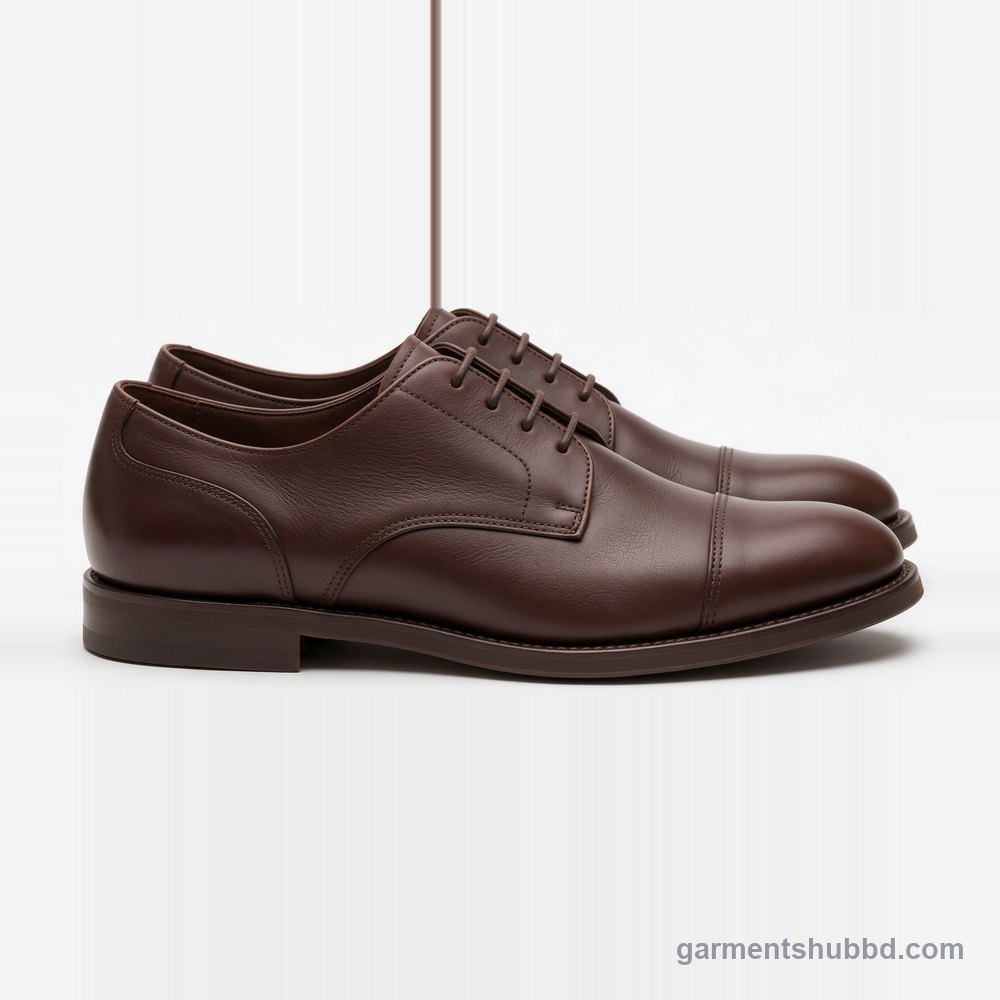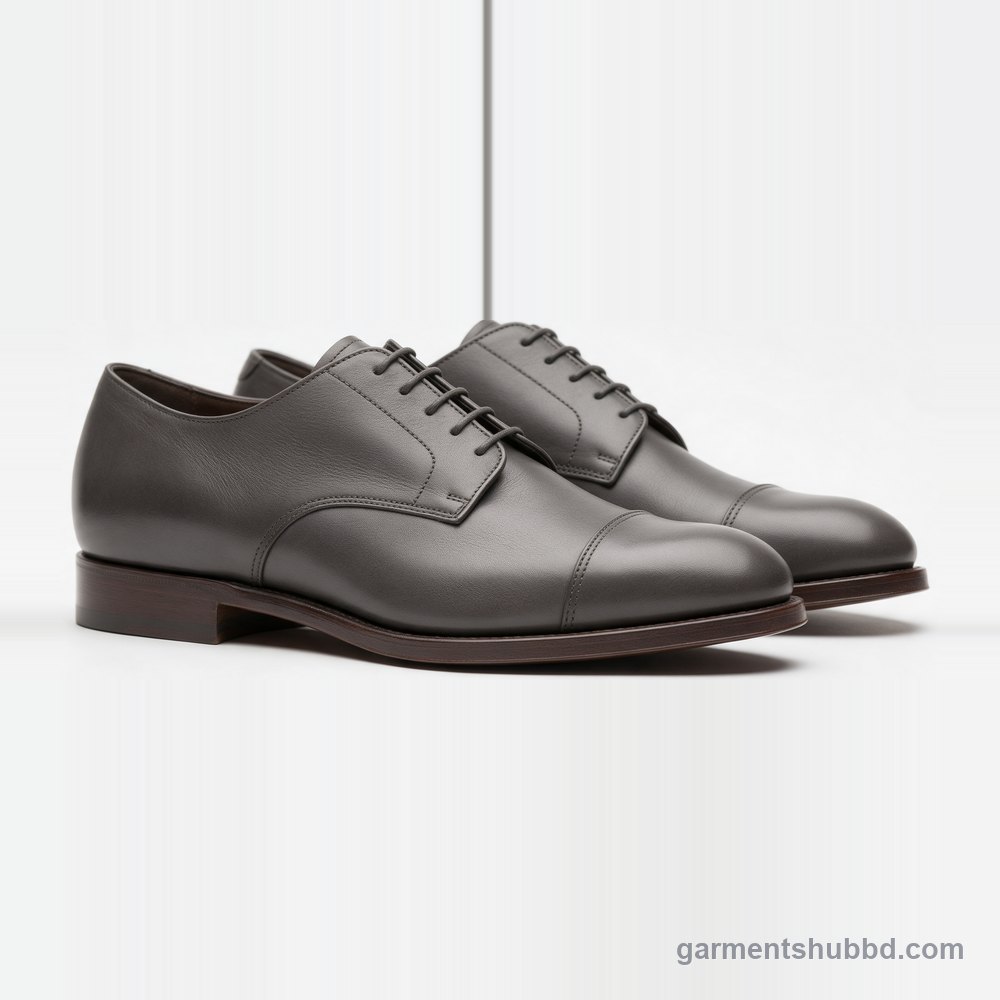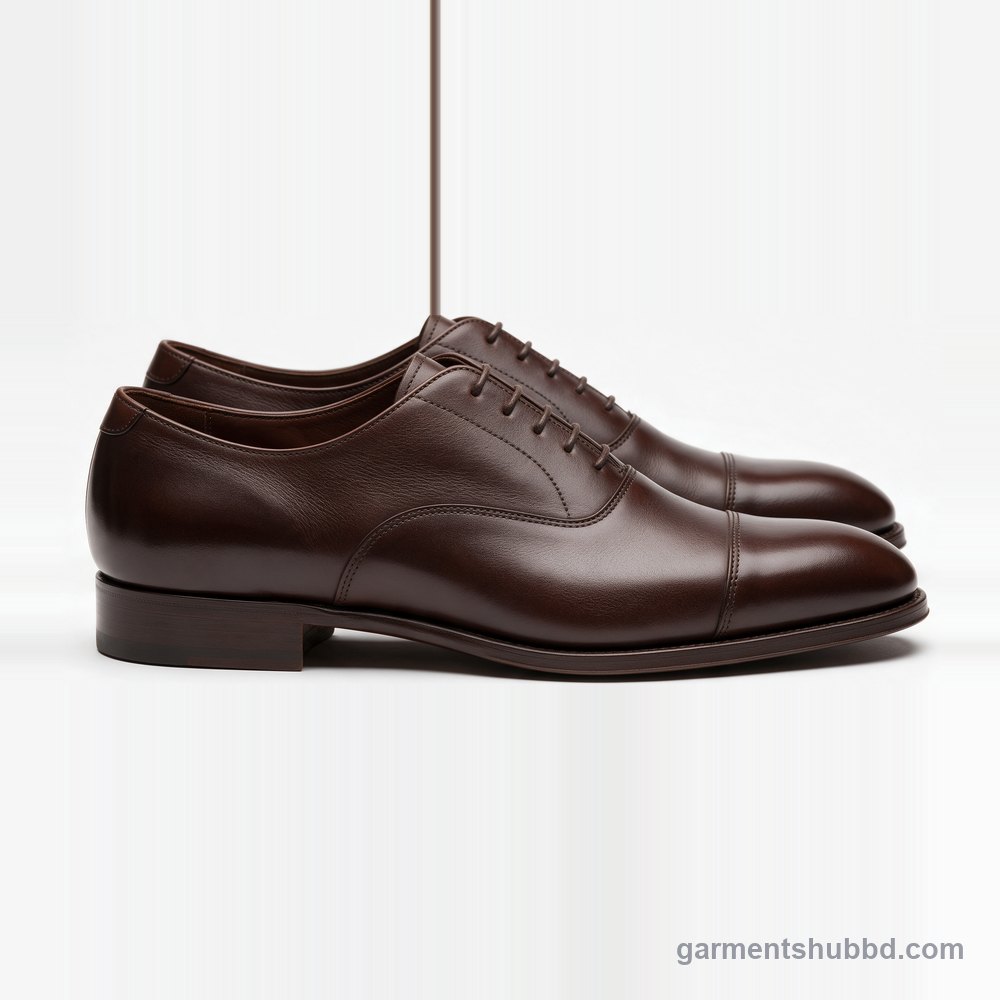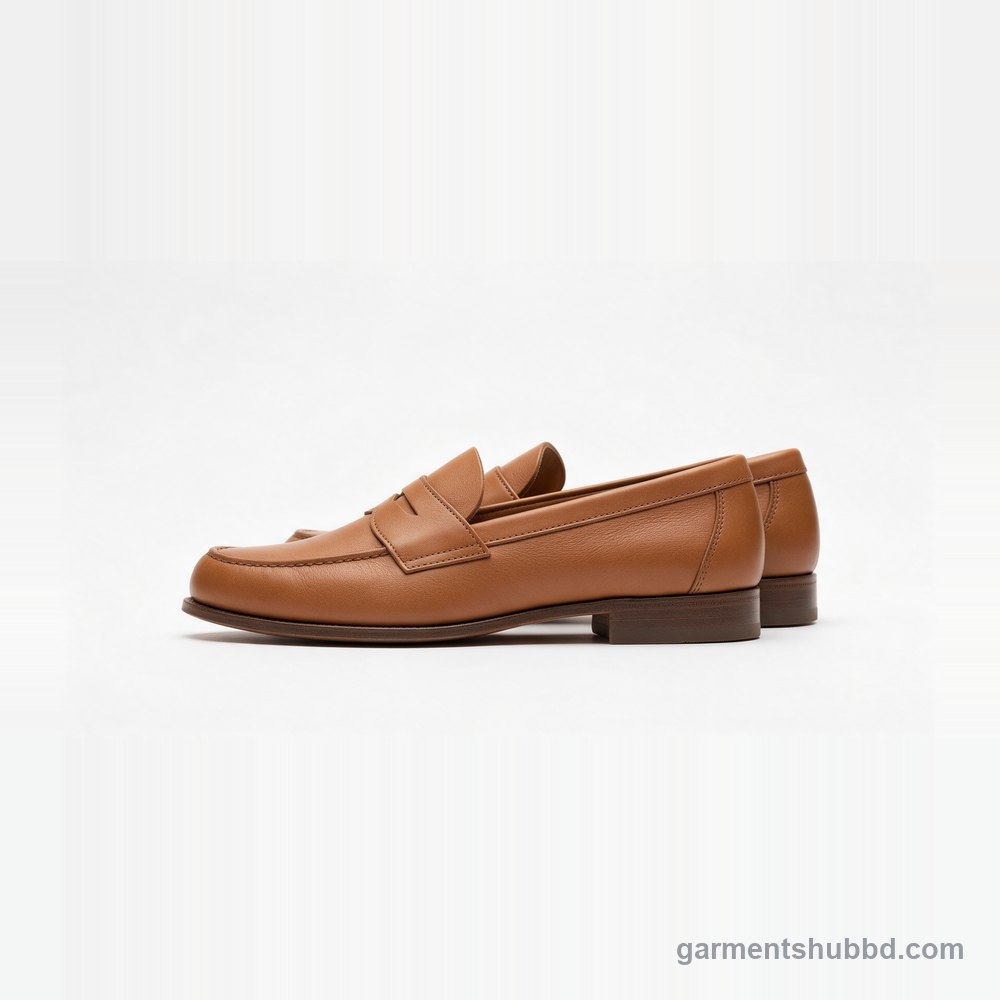
Loafers, your specification
Made to your tech pack, fabric and colours by a factory matched to the order.
Private label
Your main label, care label, hangtag and polybag. Nominated trims accepted.
A loafer has no laces, so nothing adjusts it once it is on the foot. The grip at the heel and the hold over the instep come from the last and from the height and cut of the topline. Brands looking for a loafer manufacturer in Bangladesh usually want a smart casual slip on for men's and women's ranges, where a heel that slips out means a return.
Garments Hub BD has not yet vetted a footwear unit, so for loafers it goes looking with your last or sample in hand. The desk asks units to show slip ons they have already lasted, visits the one whose heels grip on a fitting, and replies within 5 working days with a real quote or a straight no.
Kinds of loafer
Penny loafer
A saddle strap across the vamp with a cut out slot. It is the core loafer in most ranges, and the saddle has to sit at the same height on both shoes of a pair.
Tassel loafer
Leather tassels on a thin lace that runs round the collar, often with a moccasin style apron. The tassels and lace are extra cutting and hand work, and the lace can add a little grip at the topline.
Bit loafer
A metal bar across the vamp in place of a saddle. The hardware sets part of the price, and its plating must not chip, tarnish or stain the leather around it.
Venetian loafer
A plain vamp with no strap, tassel or bit. Simple to cut, but the clean shape leaves the last and topline to do all the work, so fit trials matter even more.
Unlined summer loafer
Suede or soft calf with no lining, light and flexible, usually on a thin rubber sole. It is worn without socks, so the back of the leather touches the foot directly.
Briefing a loafer manufacturer in Bangladesh
- Last
- The decision that sets the fit. Send your own last or a loafer that fits your customers, with toe shape, heel width and instep height; a slip on last is cut closer at the heel than a lace up last.
- Topline
- The height and curve of the collar. Too low and the heel slips, too high and it rubs the ankle bone, so mark it on the drawing in millimetres.
- Construction
- True moccasin, where the upper wraps under the foot and a plug is sewn on top, or cemented with a stitched apron for the look. The first is softer and costs more.
- Strap, tassel or bit
- Saddle width and slot shape, tassel length and lace, or the bit's metal, plating and size. Send a physical sample of any hardware.
- Upper and lining
- Calf, suede or nubuck, usually 1.2 to 1.5 mm, with full leather lining, half lining or none. An unlined loafer needs a leather with a clean, dyed back.
- Sole
- Leather, rubber, or leather with a rubber heel. Unlined styles take a thin flexible sole; a dress loafer takes leather and a stacked heel.
Tests and certificates for loafers
- Fit and wear trial
- A wearer walks in the fit sample in your sample size and reports heel slip and rubbing. On a shoe with no laces, this is the trial that settles the last.
- Colour transfer to skin
- A damp cloth, or a solution that imitates sweat, is rubbed on the lining or the back of the leather to see whether dye comes off. Ask for it on any loafer meant to be worn sockless.
- REACH Annex XVII, entry 47
- A sockless loafer puts leather straight onto skin, the case this entry covers, so for the EU the lining or upper must stay within 3 mg/kg chromium VI. Ask for a tannery result.
- LWG
- If your buyer requires a rated tannery, ask which tannery supplies the loafer leather and whether its Leather Working Group rating is gold, silver, bronze or audited.
What moves the price of a loafer
- A new last cut in your size run, usually the main tooling cost in a loafer range.
- True moccasin construction with a hand sewn apron in place of a cemented sole.
- Hardware: a plated metal bit adds cost per pair and a minimum at the hardware supplier.
- Tassels and collar lacing, which add cutting and hand finishing time.
- Full leather lining against half lining or an unlined upper.
- A leather sole with a stacked heel against a rubber unit.
Lead time for loafers
Loafer samples typically take 21 to 30 days, and bulk 60 to 90 days once the pre-production pair is approved. Time stretches most at the start: a new last must be made and fitted before the first sample, and a second fit sample is common when heel slip shows. Plated bits come from a hardware supplier and can add days. The quote states the dates.
What we check on loafers before shipment
- Heel gripA fit size is tried on and walked to confirm the heel does not lift out of the collar.
- Topline edgeThe collar edge is turned or bound evenly, without wrinkles, and at the same height on both shoes.
- Vamp smoothnessNo lasting wrinkles at the sides of the vamp or toe, since on a loafer the vamp is almost the whole visible surface.
- Saddle and bit placementStrap or bit sits centred and at matching height on the left and right shoe, and is firmly attached.
Questions buyers ask about loafers
What makes a loafer fit without laces?
The last and the topline. A loafer last grips the heel and holds the instep, and the collar is cut to sit just below the ankle bone. That is why the last comes first, and why a fit sample is worn, not only measured.
Should a loafer be true moccasin or cemented?
A true moccasin wraps the upper under the foot and is soft from the first wear; it needs hand sewing and costs more. A cemented loafer with a stitched apron looks similar, is cheaper and more consistent, and suits a price led range.
Can loafers be made unlined for summer?
Yes. Unlined suede or soft calf loafers are light and fold easily. The back of the leather touches bare skin, so choose a leather with a clean, dyed back and ask for colour transfer and chromium VI results before bulk.
Can you match a bit design I already use?
A unit can source a bit from a hardware supplier to your drawing or sample. A new casting needs a mould and carries its own minimum, so a stock bit in your plating is usually the faster route for a first order.
Get a quote for loafers
Tech pack or sketch with quantities per colour. A vetted unit and a real quote, or a straight no, within 5 working days.