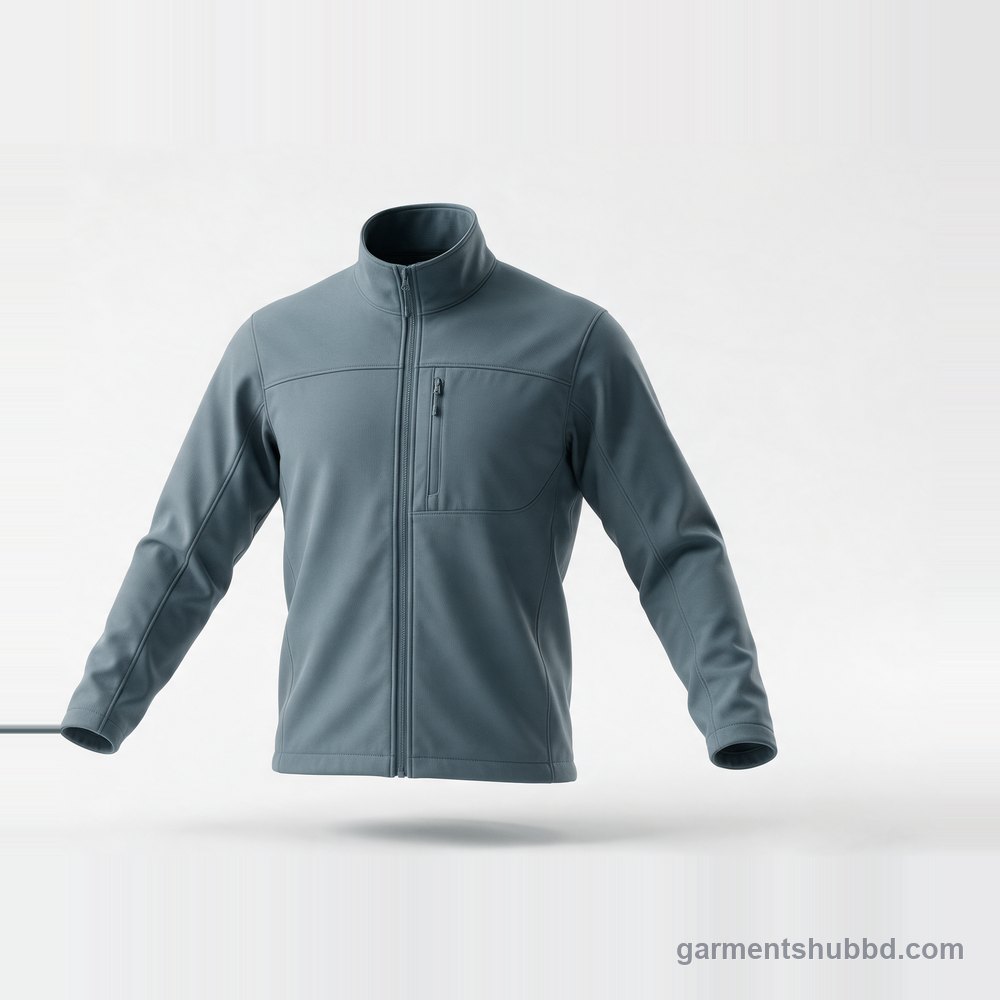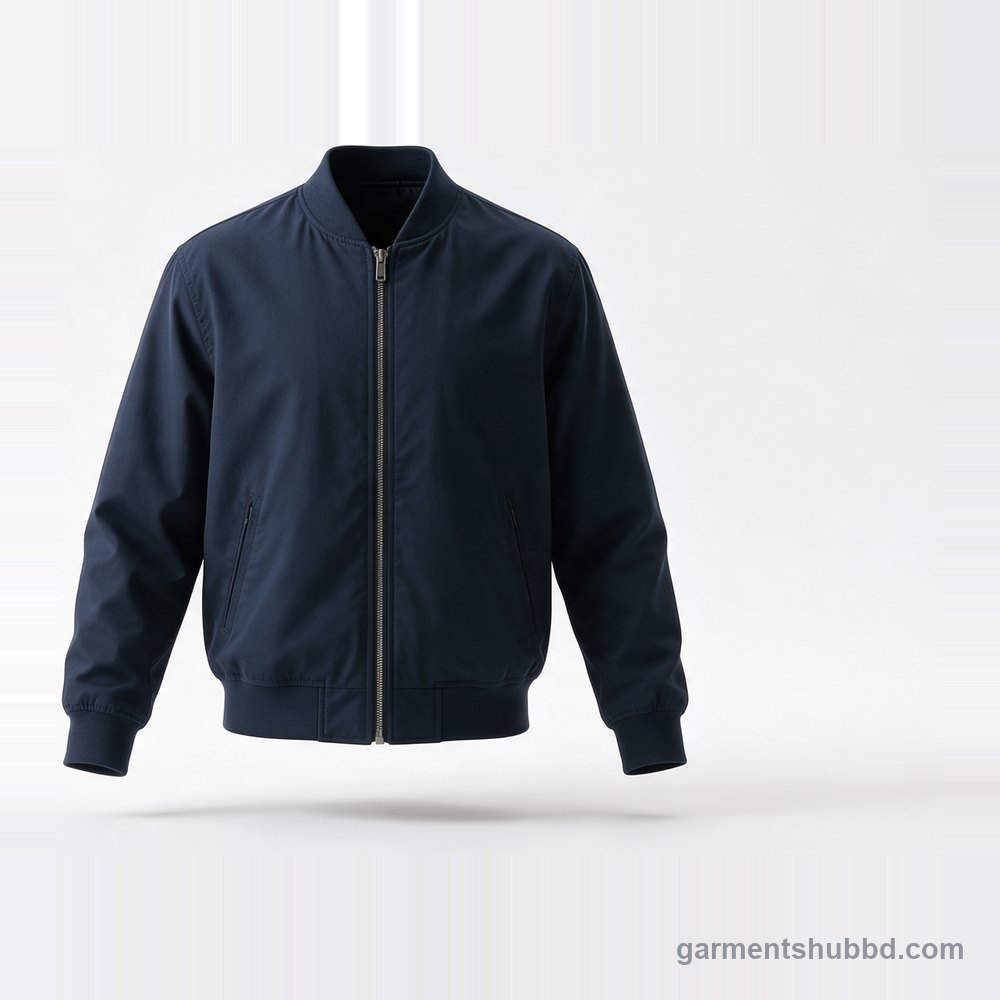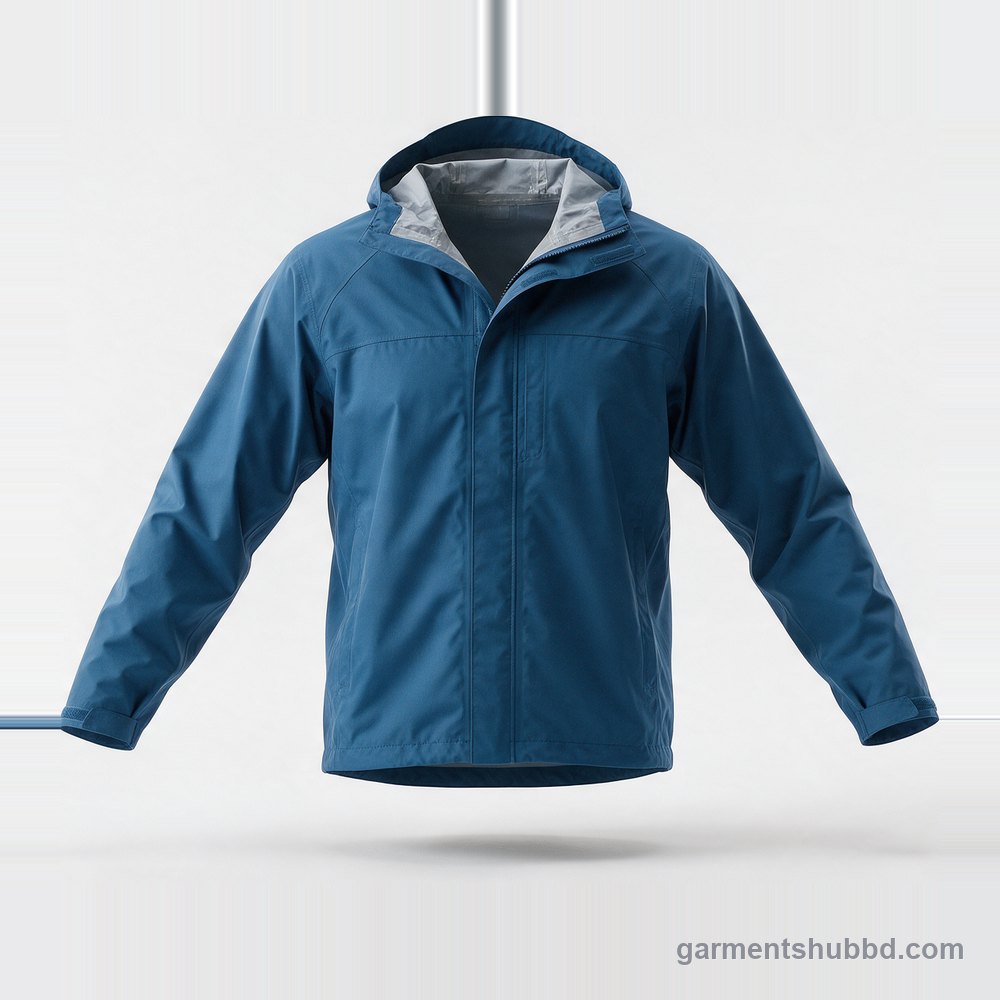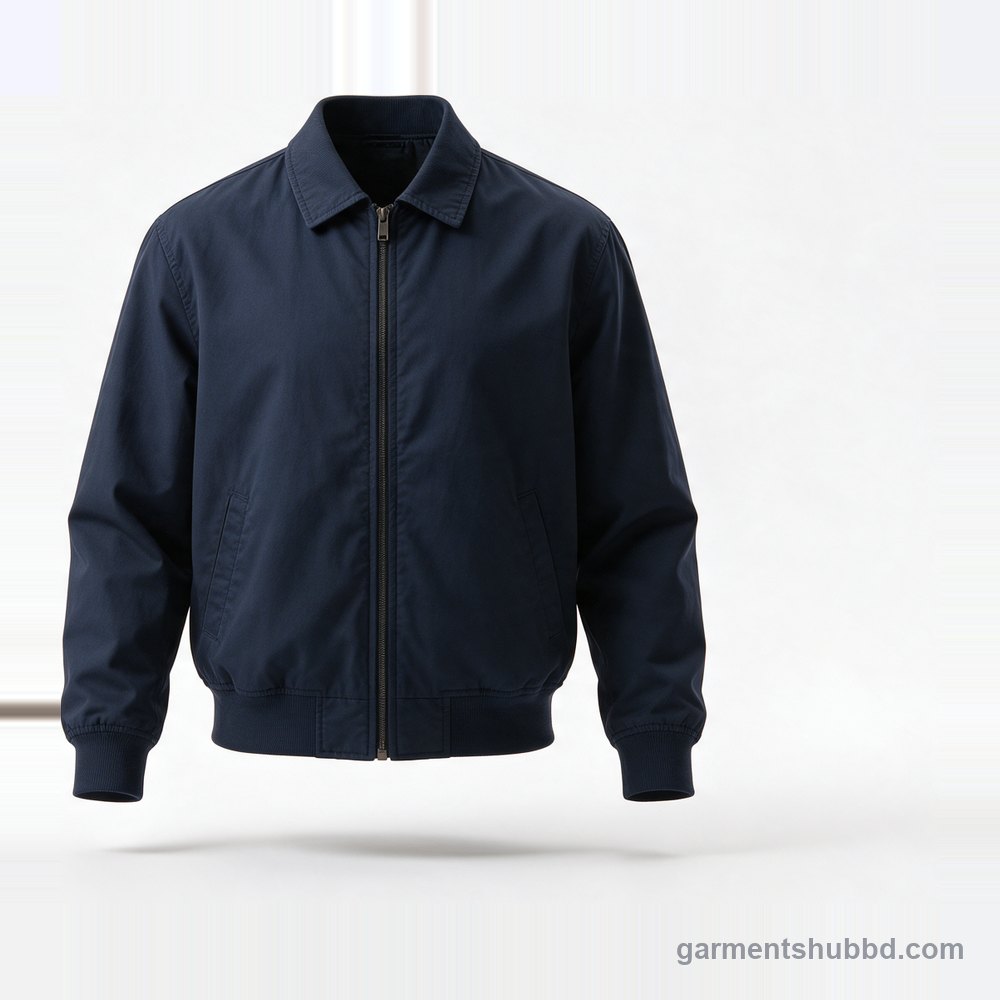
Bonded jackets, your specification
Made to your tech pack, fabric and colours by a factory matched to the order.
Private label
Your main label, care label, hangtag and polybag. Nominated trims accepted.
A bonded jacket is cut from two or more fabrics joined into one cloth by adhesive or heat, so the jacket needs no separate lining. Fashion, outdoor and workwear brands use bonded cloth for clean, structured jackets that keep warm or block wind without bulk. A bonded jacket manufacturer in Bangladesh sews it much like any jacket, but the bond itself is made at a laminating plant, and that is where most faults begin.
Both factories quote on the same composite cloth, layer by layer, with the bonding method and the peel test named, so a cheaper laminate cannot hide in one quote. Name the peel and wash tests on the quote form, and approve the bonded cloth on a washed swatch before the factory cuts.
Kinds of bonded jacket
Fleece bonded knit jackets
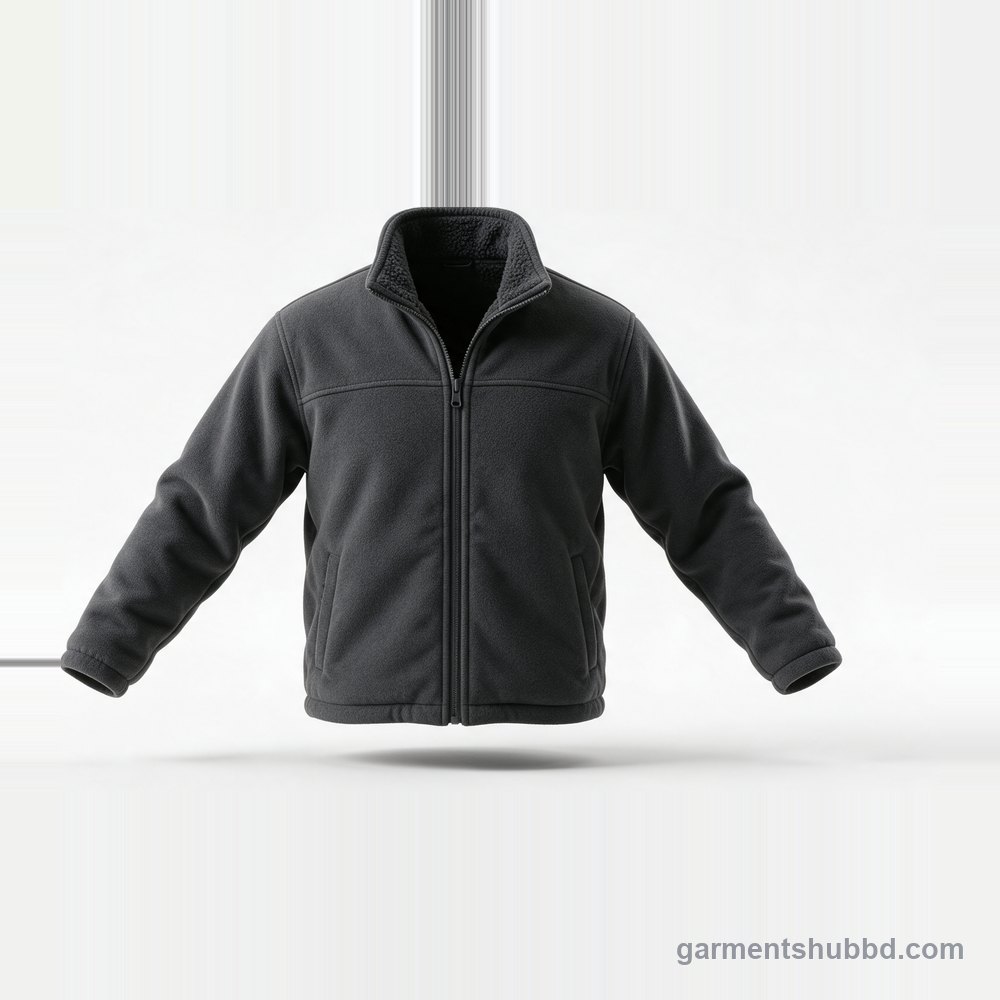
A jersey or knit face bonded to polar fleece: warm and soft, with a smooth outside. Used for casual and team jackets with no lining.
Membrane bonded shells
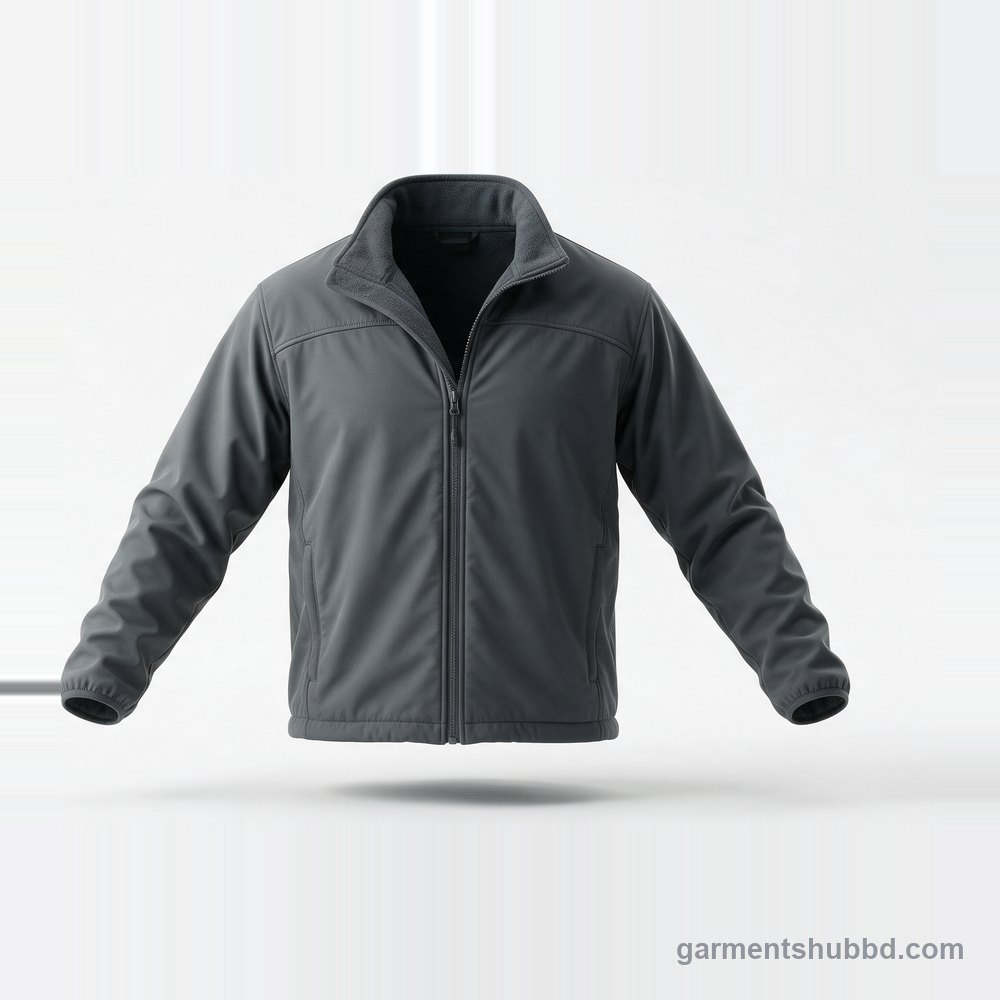
A woven face laminated to a windproof or waterproof membrane, with or without a light backer. For city and outdoor shells; taping the seams is a separate step.
Bonded sherpa jackets
Sherpa pile bonded to a suede finish knit or a woven face. Worn pile out as a fleece, or as a trucker jacket with the pile showing at collar and cuffs.
Bonded jersey jackets
Two jerseys bonded back to back into a firm double sided cloth with a clean edge. Suits structured fashion jackets with raw or laser cut edges.
How to brief a bonded jacket manufacturer in Bangladesh
- Each layer
- List every layer by fibre, structure and weight, then the bonded weight. The finished hand depends on all of them plus the adhesive.
- Bonding method
- Name adhesive bonding (dot or gravure, solvent free polyurethane or hot melt), powder or web bonding, or flame lamination. Each gives a different hand, strength and wash life.
- Peel strength
- Set a minimum peel strength in newtons per strip width, tested new and after washing. Without a number, delamination becomes a matter of opinion.
- Wash life
- State the wash cycles and temperature the bond must survive, and whether tumble drying is allowed. Heat is the usual cause of bond failure in use.
- Hand and stiffness
- Send a physical reference for hand. Adhesive stiffens the cloth, and a heavily glued bonded fleece can feel like board.
- Edges
- Say whether edges are bound, turned, or left raw or laser cut. Bonded cloth frays little, which allows raw edges on fashion jackets.
Bond and chemical tests for bonded jackets
- ISO 6330
- The domestic washing procedure. Wash the bonded cloth for the agreed cycles before the peel test and before inspecting it for bubbles.
- ISO 5077
- Dimensional change in washing. When layers shrink at different rates the bond puckers and bubbles, so test the bonded cloth, not each layer alone.
- ISO 811
- Hydrostatic head, for membrane bonded shells sold as water resistant or waterproof. Test after lamination, since heat and pressure can pinhole a membrane.
- ZDHC MRSL
- Laminating plants handle adhesives and solvents, which is where this manufacturing restricted substances list matters. Ask whether the plant bonding your cloth works to it.
What moves the price of a bonded jacket
- The number of layers and the cost of each, a membrane above all.
- Bonding method and adhesive, which add a cost per metre on top of the fabrics.
- The laminator's minimum run, since a short run spreads set up over fewer metres.
- Trial bonds and wash tests before the bulk cloth is laminated.
- Edge finishing: binding or laser cutting in place of simple turned hems.
Lead time for bonded jackets
Samples usually take 7 to 14 days when the bonded cloth already exists; a new composite needs trial bonds and a wash test first, which adds days. Bulk usually runs 30 to 60 days after PP approval, and the bulk cloth has to be laminated before cutting, so the laminating plant's slot sets the start. The quote confirms the dates.
What we check on bonded jackets before shipment
- Peel test from bulkA strip from each bulk roll peeled before cutting and compared with the agreed minimum.
- Bubbles after pressingPanels checked after pressing, and on a washed sample, for blisters, bubbles and wrinkles between the layers.
- Hand against standardBulk cloth handled against the approved reference for stiffness, since adhesive weight drifts between runs.
- Edge delaminationHems, raw edges and seam allowances checked for layers lifting apart at the cut edge.
Questions buyers ask about bonded jackets
Which bonding method suits a fleece bonded jacket?
Adhesive dot bonding with a polyurethane adhesive usually keeps a fleece soft and holds through washing. Flame lamination, which melts a thin foam layer, gives a firmer hand. Ask the laminating plant which method it runs and approve a washed swatch before bulk.
What makes a bonded jacket bubble?
Layers that shrink at different rates, too little adhesive, or heat in pressing, washing or drying that softens the bond. Test the bonded cloth for dimensional change and peel after washing before cutting, press at moderate heat, and put low heat drying on the care label.
Is bonded cloth made in the sewing factory?
Usually not. Bonding runs at a laminating plant or a mill with laminating lines, and the factory buys the composite on the roll. That adds a supplier to check, so ask who laminates, see their test reports and approve the cloth before cutting.
How is a bonded jacket different from a softshell?
A softshell is one kind of bonded jacket: a stretch woven face, often a membrane and a fleece back. Bonded jackets also cover sherpa, jersey and fleece knit composites, each with its own hand, warmth and test plan. The softshell garment has its own page.
Get a quote for bonded jackets
Tech pack or sketch with quantities per colour. A compared quote in 48 hours.