Pillowcases, your specification
Made to your tech pack, fabric and colours by a factory matched to the order.
Private label
Your main label, care label, hangtag and polybag. Nominated trims accepted.
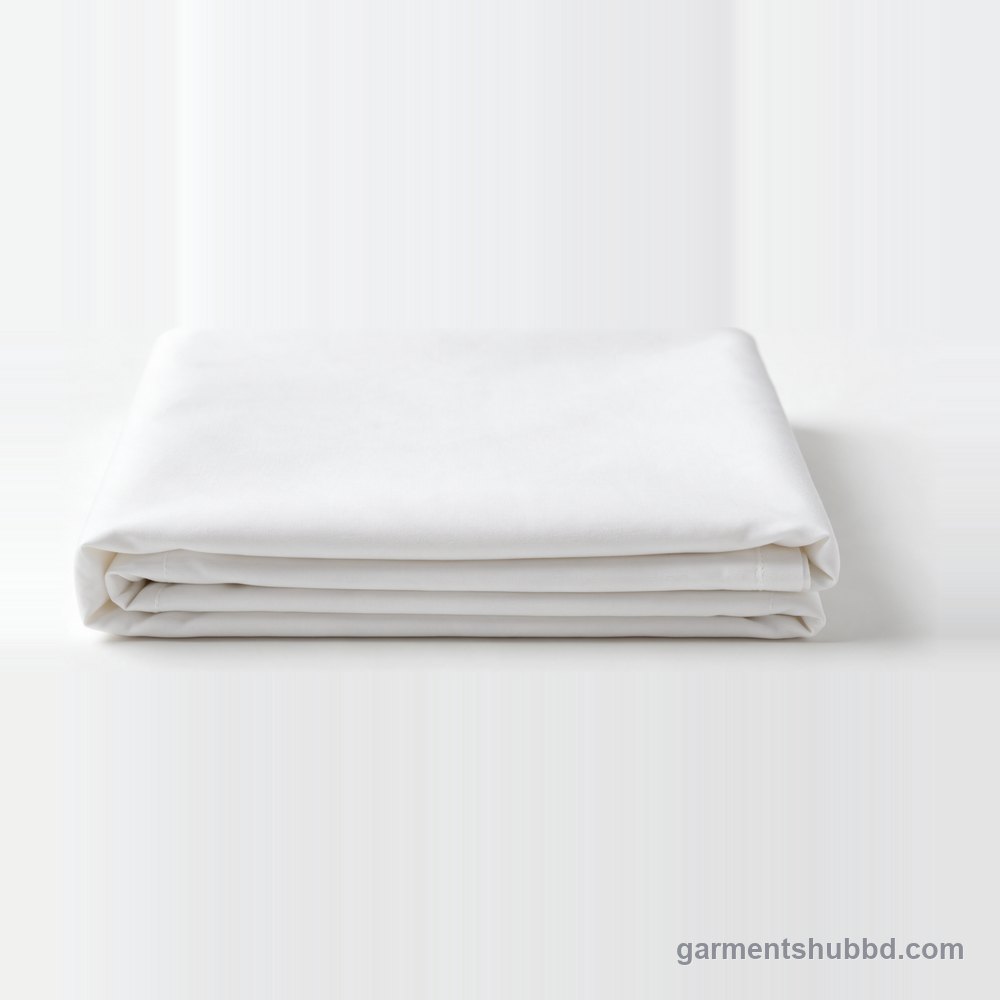
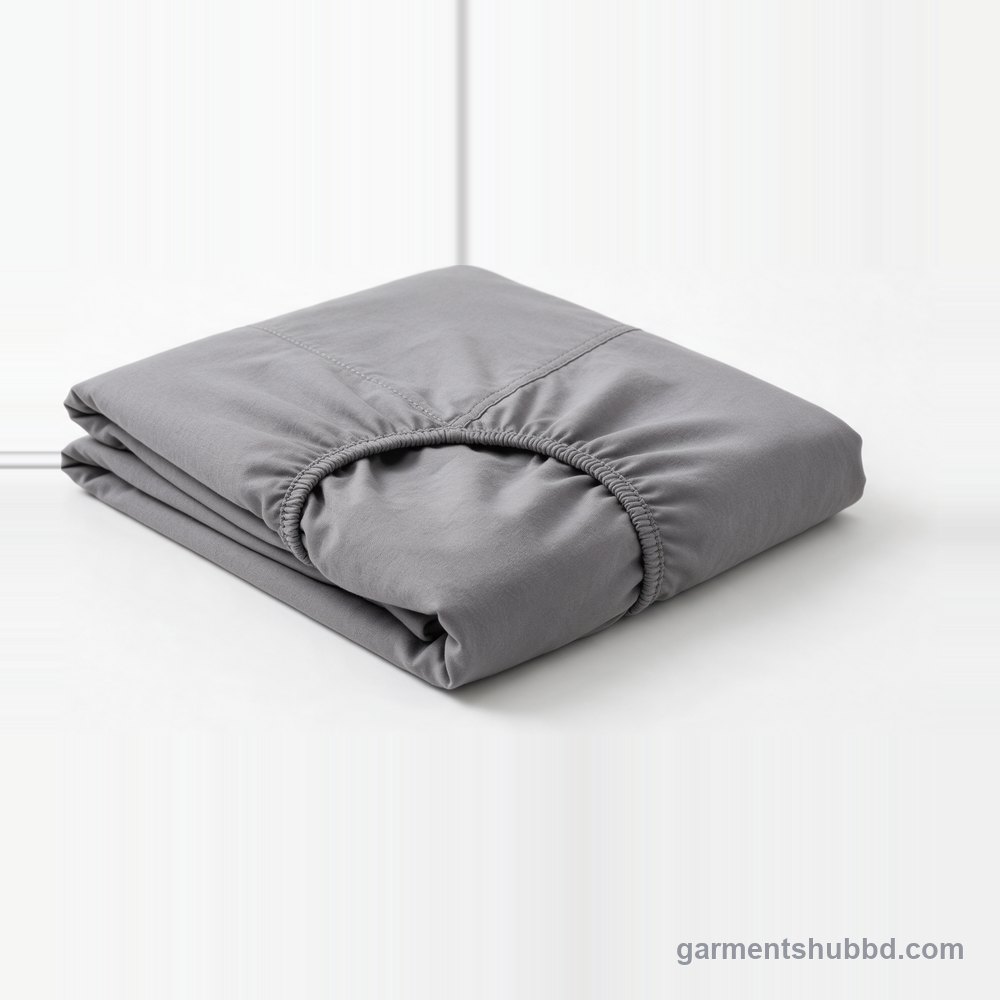
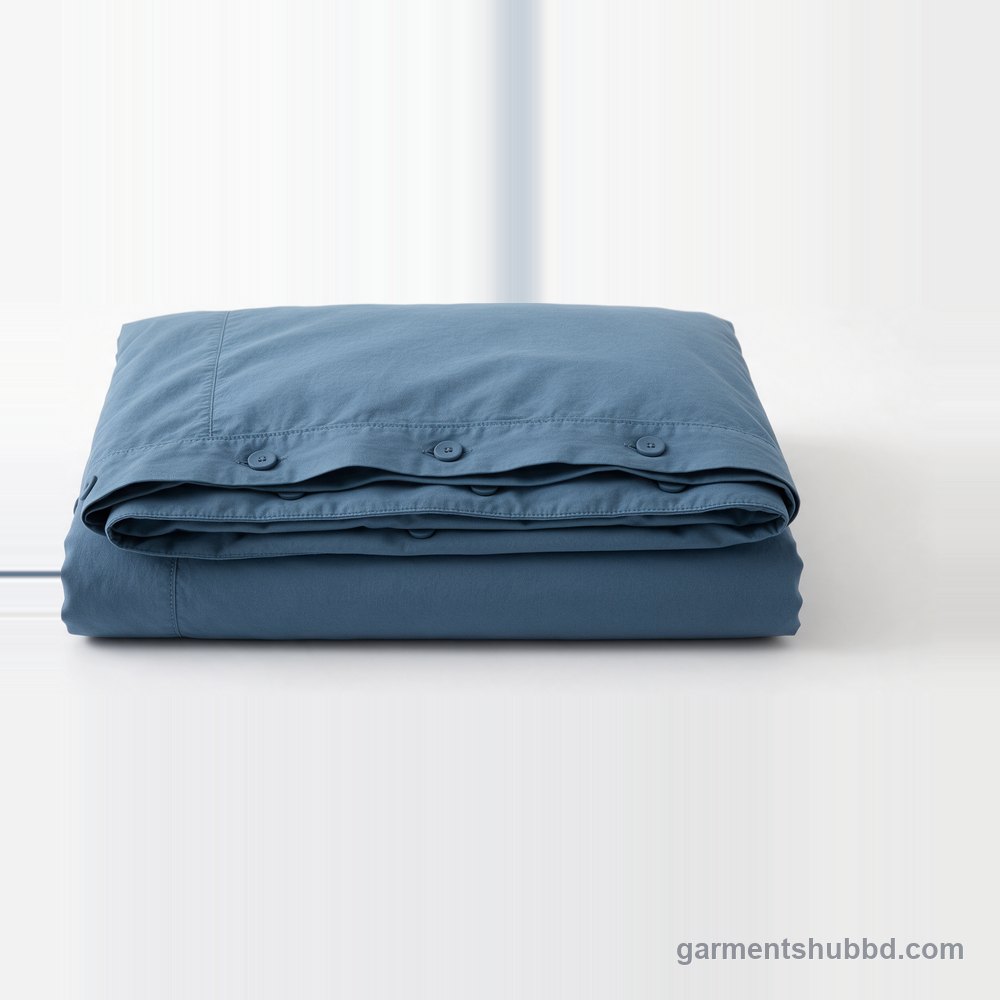
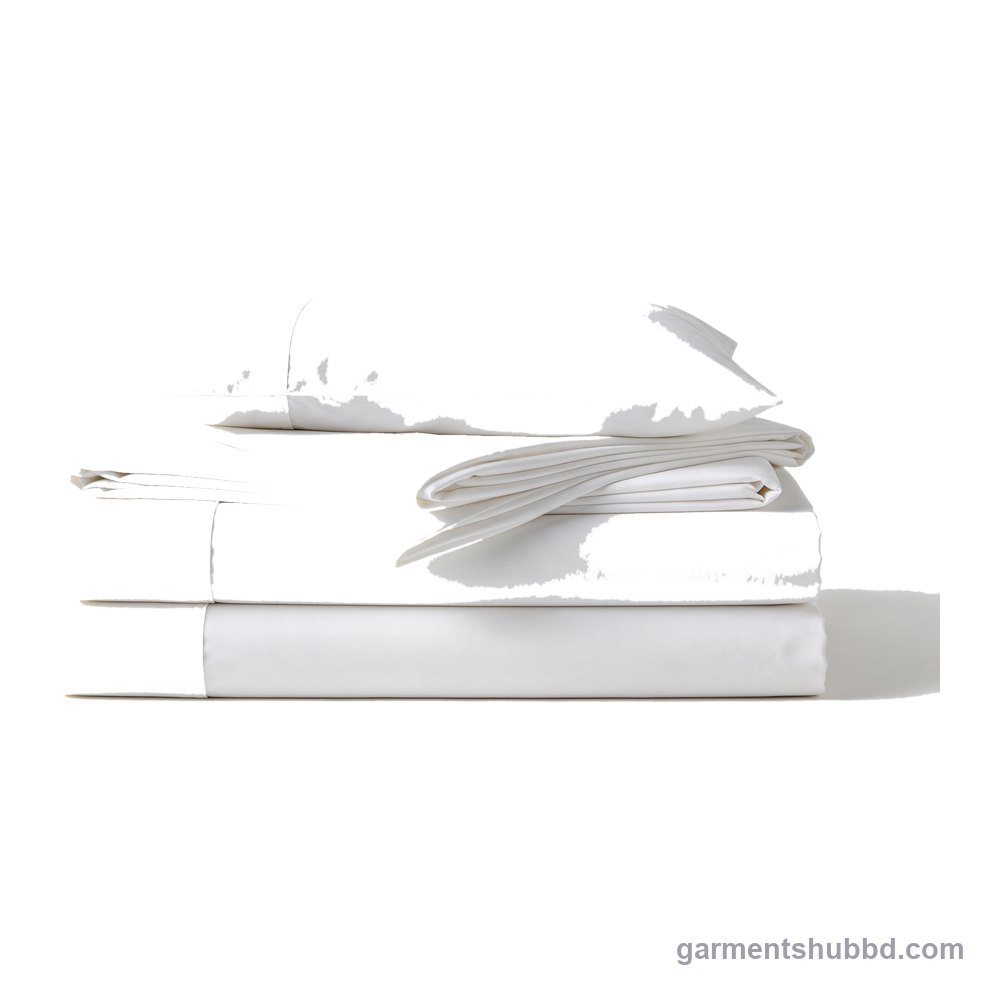
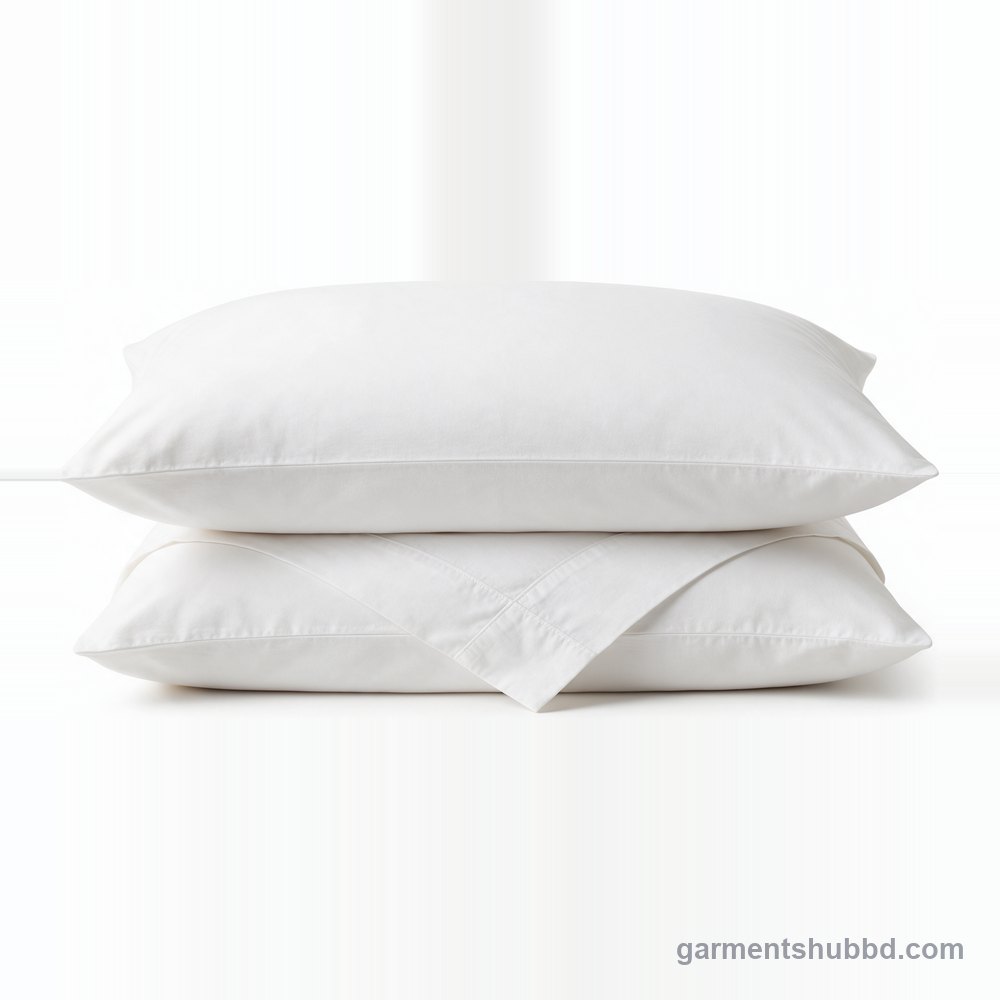
A pillowcase is a small piece of bed linen bought in large numbers, usually in pairs. Its style is set by how the pillow stays in: an inside flap on a housewife case, a flat border on an Oxford, a deep open hem on a bag style case. A pillowcase manufacturer in Bangladesh often cuts it from the strip of sheeting left beside larger pieces, which is why consumption matters. Buyers are bedding brands, hotels and set packers.
The desk looks for a unit that can turn and press an Oxford border square at the corners, the operation that separates a clean case from a wavy one. It takes in your sizes by market and your pack, pair or single, and compares pairs for shade and size at final inspection.
Kinds of pillowcase
Housewife pillowcases
A plain case with an inside flap, usually 15 to 20 cm deep, that tucks over the pillow end. No border, no fastener. Choose it for everyday retail and sets; it hides the pillow fully.
Oxford pillowcases
A case with a flat border of self cloth, usually 4 to 6 cm wide, stitched round all four sides, with a flap or envelope behind. Choose it for a tailored look; the border adds cloth and careful corners.
Open end pillowcases
Also called bag style: closed on three sides with a deep hem or cuff at the open end, usually 7 to 10 cm, and no flap. Usual in the US. Choose it for American sizes.
Square continental pillowcases
Square cases, usually 65 by 65 cm or 80 by 80 cm, for continental and European pillows, often with an Oxford border. Choose it for EU markets and layered beds.
Zipped pillowcases
A concealed zip along the open end, so the case cannot slip off. Choose it for children's and hotel use; the zip adds a part and a check.
What a pillowcase manufacturer in Bangladesh needs to know
- Pillow size by market
- A UK standard pillow is 50 by 75 cm, a US standard 20 by 26 inches, a US king 20 by 36 inches; EU sizes include 40 by 80 cm.
- Style and flap
- Housewife, Oxford or open end, with the depth of the inside flap or cuff in centimetres, and for an Oxford whether the back is a flap or an envelope.
- Border width
- The finished Oxford border width and the stitch line that holds it. Each centimetre of border runs round four sides in cloth and sewing.
- Ease over the pillow
- Cases are cut a little larger than the pillow so it slides in. State the finished case size after washing, not just the pillow size.
- Pairs and pack
- Singles, pairs or inside a set; the fold, any band or card, and the number of packs per carton.
- Consumption
- Ask for the cutting plan. Cases cut beside sheets or covers on wide cloth use less fabric than cases cut alone.
Tests and certificates for pillowcases
- ISO 105-E04
- Perspiration fastness of the pillowcase cloth, graded 1 to 5 on the grey scales. A case lies against the face and hair all night, so a dark shade that fails here can mark skin.
- ISO 105-X12
- Colour fastness to rubbing, dry and wet. Ask for it on navy, charcoal and printed cases, where dye can rub off onto a pale sheet.
- OEKO-TEX STANDARD 100
- Pillowcases fall in the product class for articles with skin contact. If the label goes on the pack, the certificate must cover the article and be current when it ships.
What moves the price of a pillowcase
- Style: a housewife case is quick to sew; an Oxford border adds cloth, turning and a stitched frame.
- Border width: every extra centimetre runs round four sides, in cloth and in seam length.
- Consumption: cases cut alongside larger pieces use cloth that would otherwise be waste.
- Pair packing: two cases matched, folded together and banded take more handling than singles.
- Fastener: a zip or an envelope back adds a part or an operation over a plain flap.
Lead time for pillowcases
Pillowcase samples usually take 10 to 14 days; bulk usually runs 45 to 60 days after the PP sample is approved. Cases on the same order as sheets or covers follow the larger pieces through cutting and ship with them. A stand alone order in a new colour adds lab dips, and an embroidered or printed border adds its own days. The quote fixes the dates.
What we check on pillowcases before shipment
- Flap depthThe inside flap is measured on each sampled case; a short flap lets the pillow show and is the usual housewife fault.
- Oxford cornersBorder corners are checked for square mitres, even width on all four sides and a straight stitch line.
- Pairs matchedThe two cases in a pack are compared side by side for shade and size, since a mismatched pair comes back as a return.
- Inside seamsSeams are checked for overlocked or French finished edges, so they do not fray in washing.
Questions buyers ask about pillowcases
What is the difference between a housewife and an Oxford pillowcase?
The border. A housewife case is plain to its edges, with an inside flap holding the pillow. An Oxford case has a flat border of cloth stitched round all four sides, with a flap or envelope behind. The Oxford uses more cloth and more sewing.
Can pillowcases be ordered on their own, without sheets?
Yes, at the minimum on this page. On their own they are cut from cloth bought for the order, so consumption is less efficient than when cut beside sheets or covers. Adding them to a sheet or duvet cover run in the same cloth usually lowers the cloth cost per case.
Which sizes do I need for the US market?
Usually standard, queen and king cases for pillows of about 20 by 26, 20 by 30 and 20 by 36 inches, in open end style with a deep hem. Some ranges sell one case for both standard and queen pillows. Put finished case sizes after washing on the chart.
Should pillowcases be packed in pairs?
For most retail, yes, because a double bed takes two pillows. Pairs need matching shade and size within the pack. Singles suit hotels and replacement sales. Say which on the enquiry, since it changes the fold, the card and the carton count.
Get a quote for pillowcases
Tech pack or sketch with quantities per colour. A vetted unit and a real quote, or a straight no, within 5 working days.