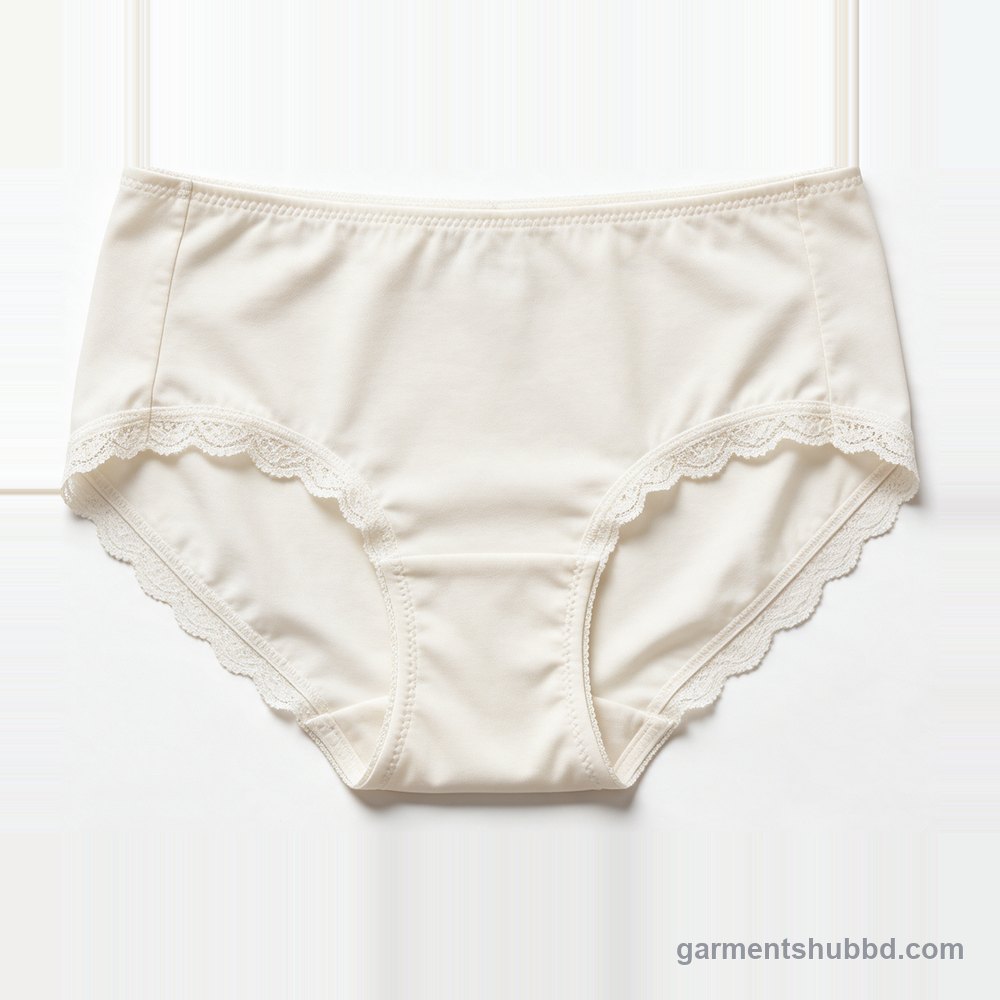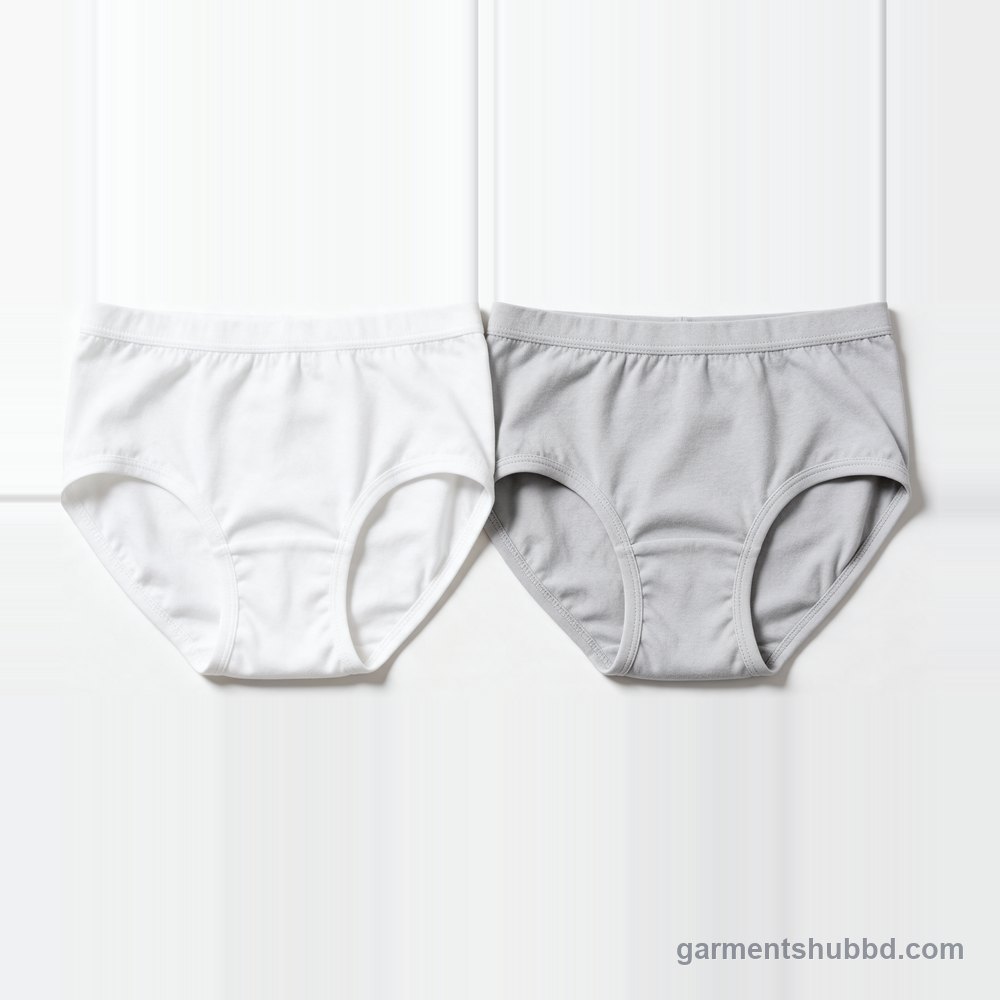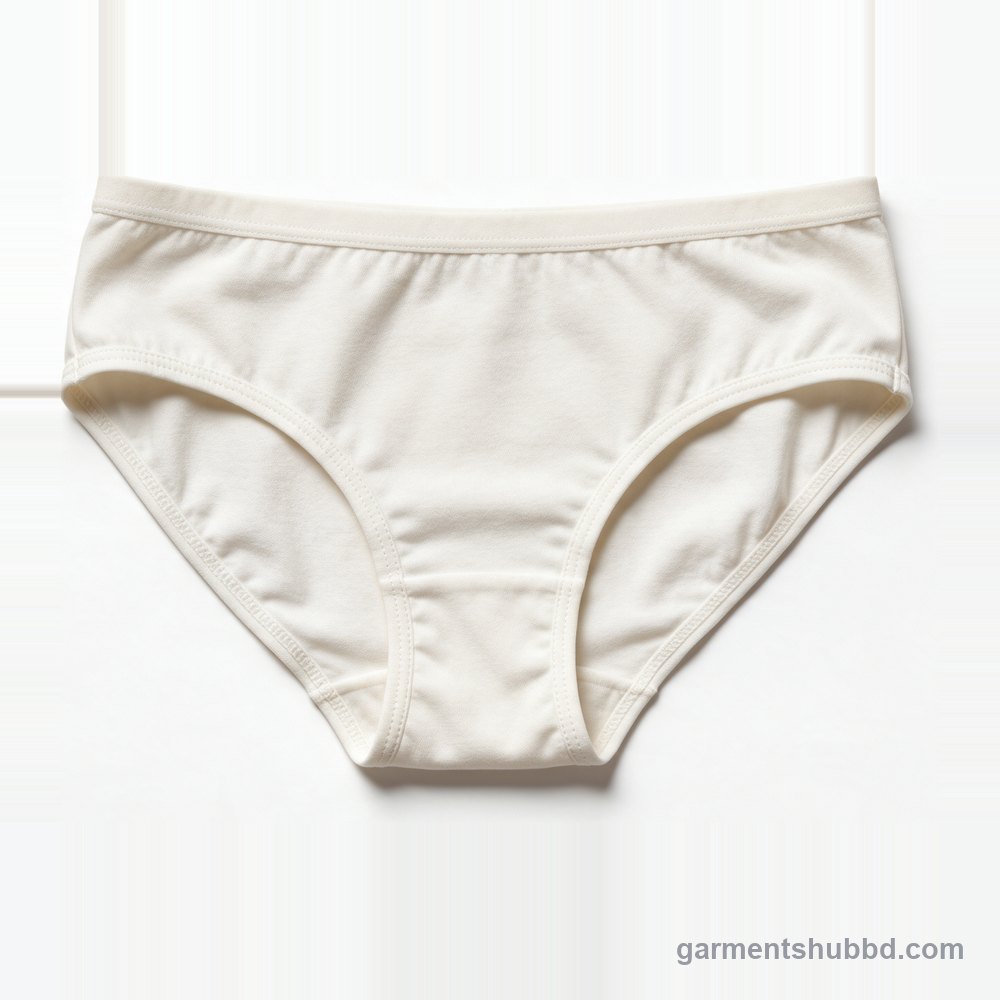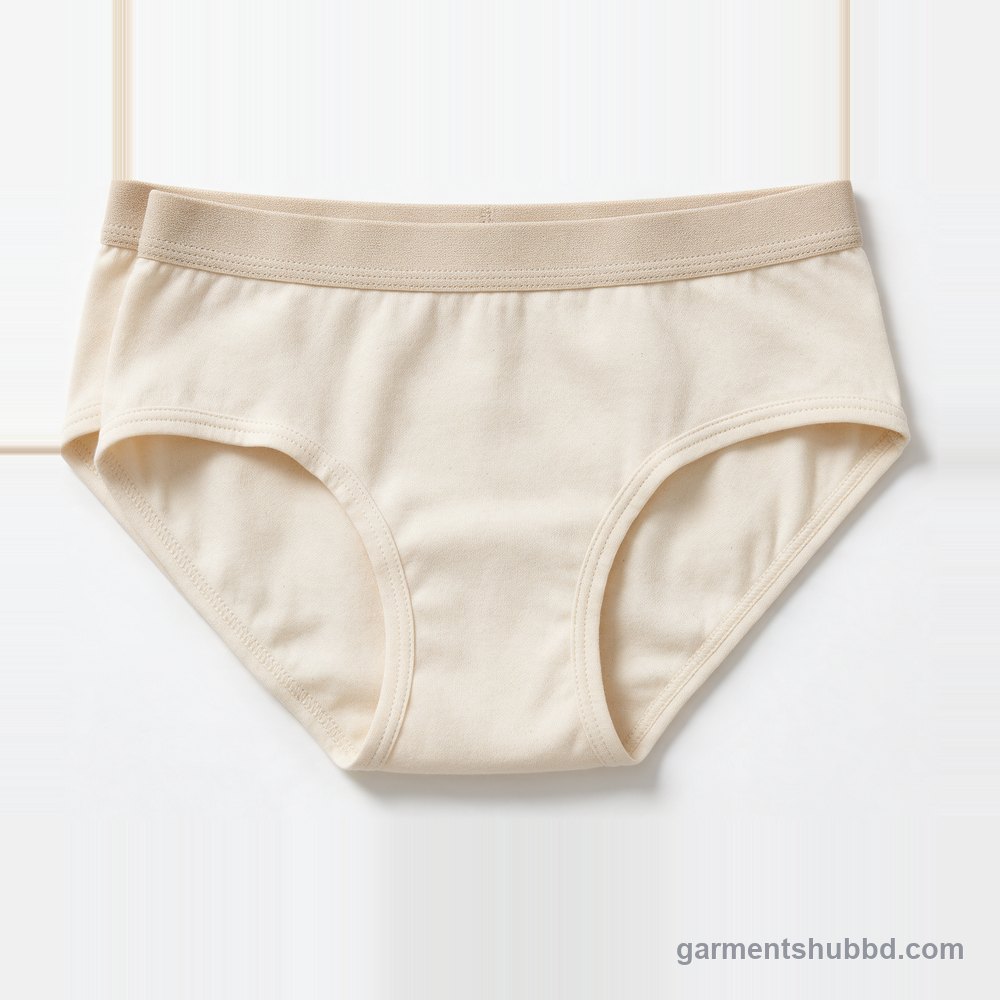
Organic cotton underwear, your specification
Made to your tech pack, fabric and colours by a factory matched to the order.
Private label
Your main label, care label, hangtag and polybag. Nominated trims accepted.
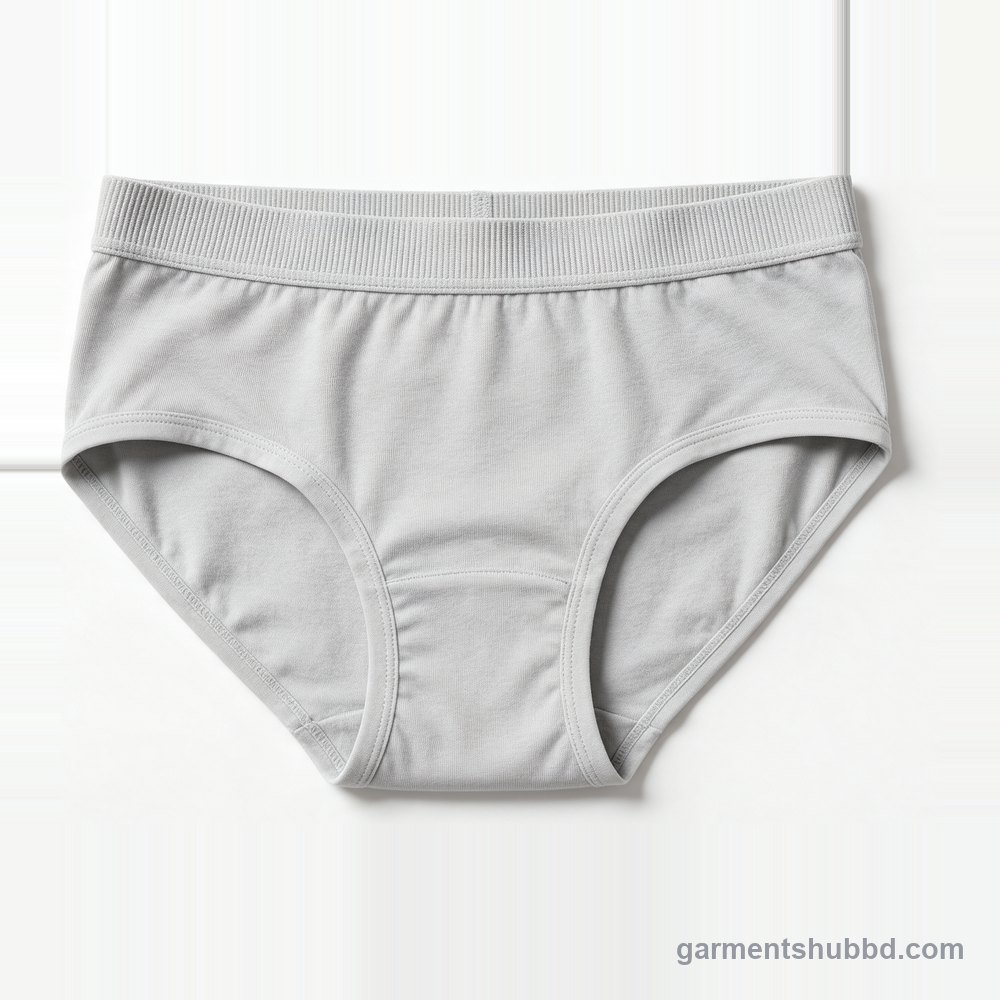
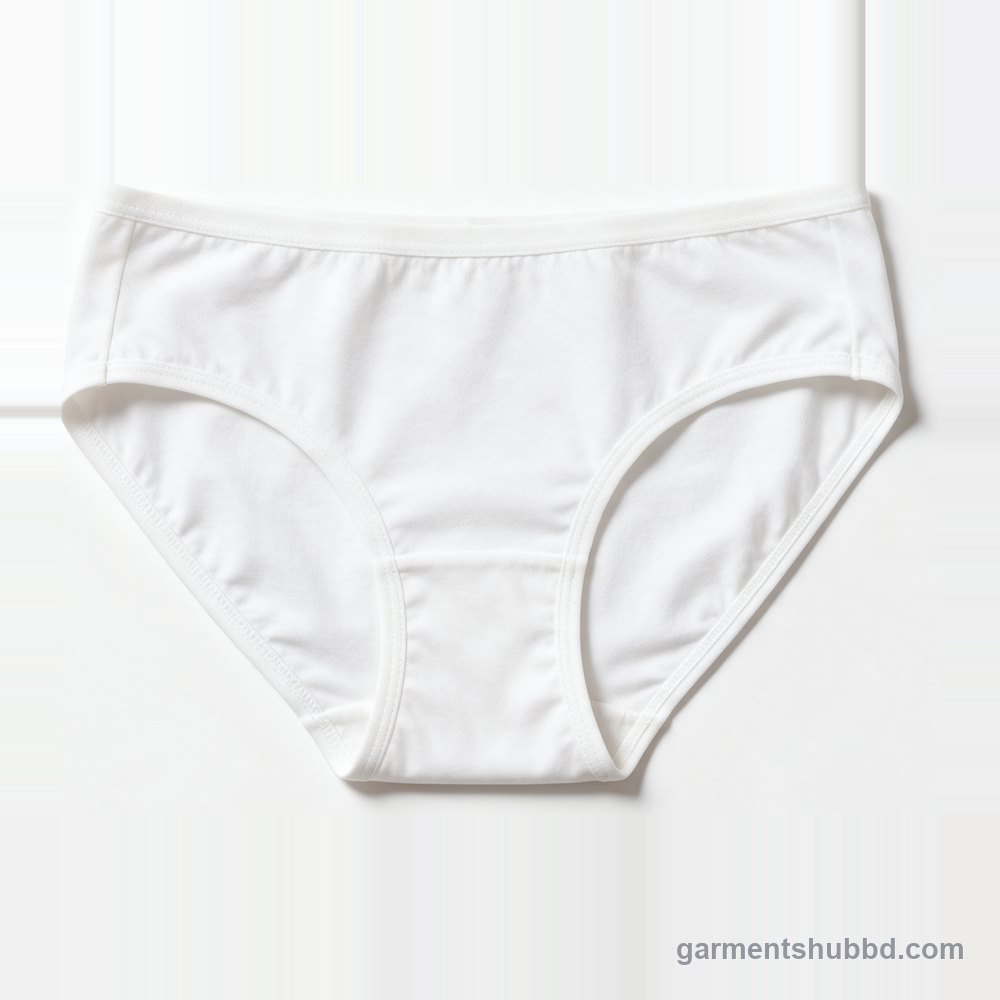
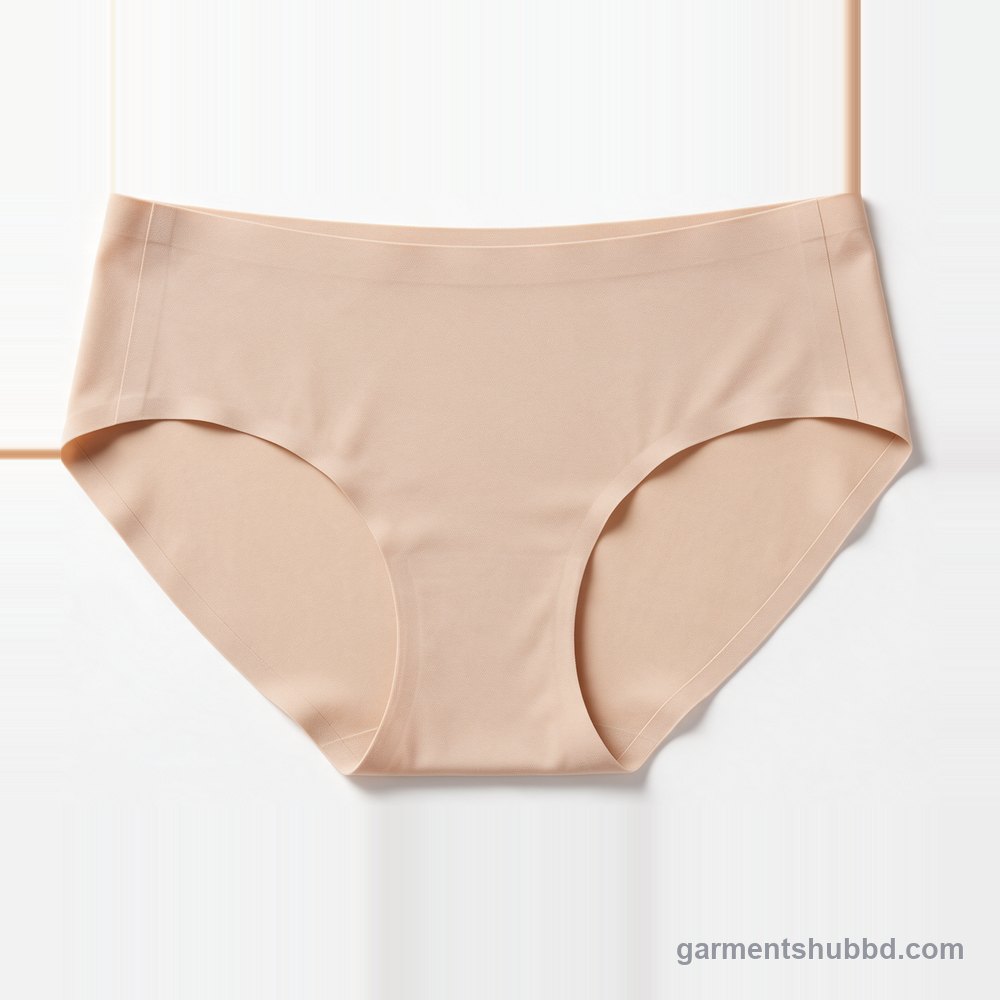
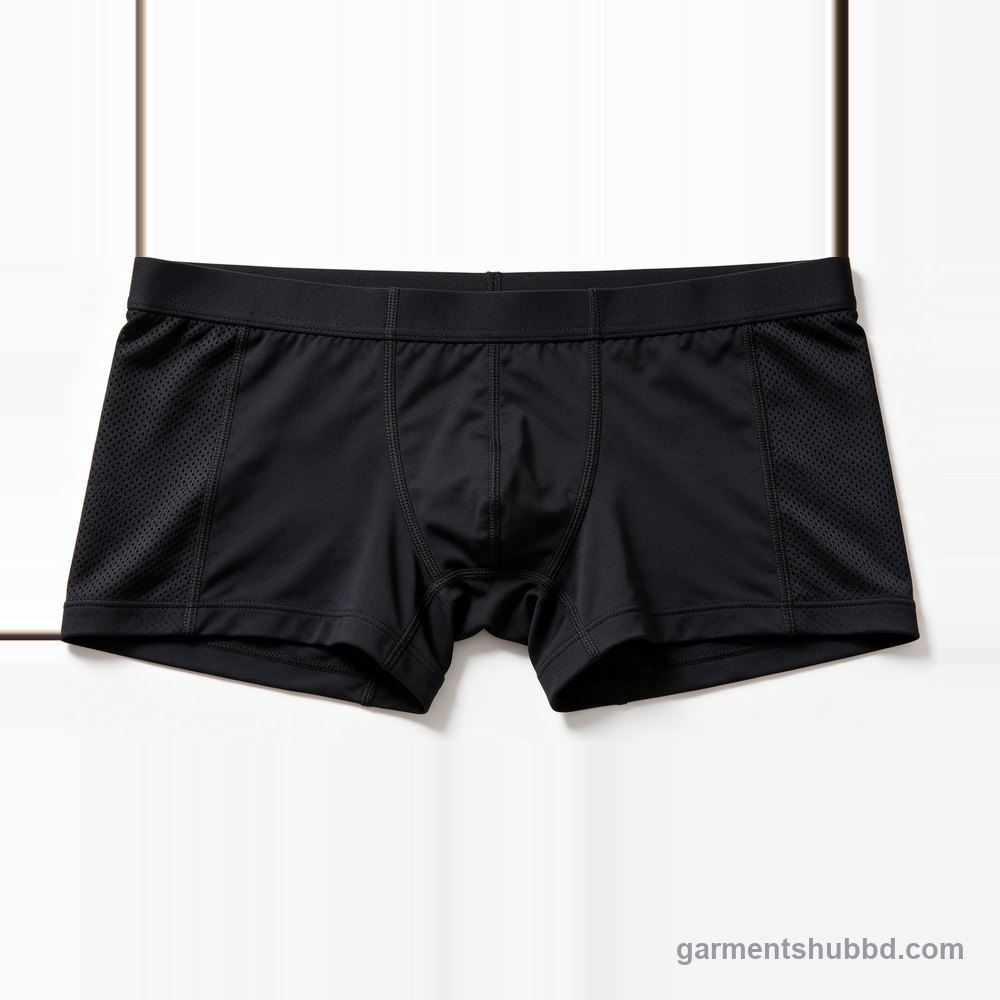
Organic cotton underwear is cut and sewn like any cotton underwear; what the buyer pays for is the proof. Brands selling organic briefs, trunks and panties need certified fibre traced from the gin to the garment, and a label claim their certifier will sign off. An organic cotton underwear manufacturer in Bangladesh has to sit inside that certified chain, together with the spinner, the knitter and the dye house.
Garments Hub BD matches the order to factories holding a GOTS scope certificate that covers the products you need. If the chain has a gap, such as a dye house outside the certification, the quote says so before you commit. The construction, fit and packing otherwise follow the same brief as conventional cotton underwear, so most of the work here is paperwork done early.
Kinds of organic cotton underwear by claim
GOTS organic grade
At least 95 percent certified organic fibre, so a 95/5 organic cotton elastane jersey can qualify. Every processing stage needs GOTS certification, and dyes and finishes must meet its chemical criteria.
GOTS made with organic grade
At least 70 percent certified organic fibre, for blends with more elastane or another fibre. The label states the organic percentage.
OCS 100 and OCS Blended
Content claims only, with no chemical or social criteria: OCS 100 for 95 percent organic or more, OCS Blended from 5 percent. Simpler to run, but it says nothing about the dye house.
Undyed and low impact dyed
Natural ecru, or white without optical brightener, keeps the chemistry simple. Colours use dyes and auxiliaries the certified dye house can show are permitted.
How to brief an organic cotton underwear manufacturer in Bangladesh
- Standard and grade
- Name GOTS organic, GOTS made with organic, OCS 100 or OCS Blended, and the exact label wording you plan to print. The grade decides the fibre mix you can use.
- Scope certificates
- Ask for the current scope certificate of every stage, from spinner and knitter to dye house and garment factory, each listing the product category and the process.
- Transaction certificates
- Each shipment needs a transaction certificate from the certification body for the quantities shipped. Agree who applies and that it arrives with the shipping documents.
- Elastane and trims
- Elastane counts against the non organic share. Elastic, thread and labels are accessories with their own GOTS rules, so list them in the brief.
- Dye and finish
- Ecru, white or dyed, and any finish such as a softener. Under GOTS every chemical input is assessed, so the dye house can only use approved inputs.
- Segregation
- Organic fabric is stored, cut and bundled apart from conventional cotton. Ask how the factory marks and separates it on the floor.
Certificates for organic cotton underwear
- GOTS (Global Organic Textile Standard)
- Follows organic fibre from farm to finished underwear and adds chemical and social criteria at every stage. Briefs labelled organic need 95 percent or more certified organic fibre; made with organic needs 70 percent.
- OCS (Organic Content Standard)
- Proves how much organic cotton is in the underwear through scope and transaction certificates, without chemical or social criteria. It suits a buyer who needs a content claim, not a processing claim.
- Better Cotton
- A cotton farming programme, not an organic standard, run on mass balance by default, so a brief sold under it may hold no cotton from a Better Cotton farm. Never print it beside an organic claim as an equal.
What moves the price of organic cotton underwear
- Certified yarn, which costs more per kilo than conventional combed cotton of the same count.
- Yarn availability: when no certified stock is held, spinning to order adds a minimum and time.
- Certification fees at each stage and a transaction certificate for each shipment.
- Dyeing in a certified dye house, which may not be the cheapest one near the factory.
- Separate storage and cutting to keep organic fabric apart from conventional stock.
Lead time for organic cotton underwear
Garment timing matches conventional cotton underwear: samples usually 7 to 14 days, bulk typically 30 to 60 days after PP approval. The extra time sits upstream. Certified yarn that is not in stock adds days for spinning, and the transaction certificate is issued after shipment details are submitted, so plan it before payment falls due. The quote names each step.
What we check on organic cotton underwear before shipment
- Certificates cover the orderScope certificates are current, name every stage of the chain and list knitted underwear within their scope.
- Fabric traceFabric delivery notes link the bulk rolls to certified yarn lots before cutting starts.
- Segregation on the floorOrganic rolls and cut bundles are kept and marked apart from conventional cotton through cutting and sewing.
- Label claimLabels and hangtags carry the grade wording and licence reference the certifier approved, and nothing stronger.
Questions buyers ask about organic cotton underwear
Can we print the GOTS logo on our label?
Only when the whole chain is certified, your label wording is approved, and the certified seller's licence number appears with the logo. Some brands need their own certification too, depending on how they trade. Ask your certification body before printing labels, not after.
Is Better Cotton the same as organic cotton?
No. Better Cotton improves farming practice and is traded on mass balance by default, so underwear sold under it may contain no cotton from those farms at all. Organic underwear needs certified organic fibre with a chain of custody under GOTS or OCS.
Does elastane stop underwear from being sold as organic?
Not if it stays inside the grade. GOTS organic needs at least 95 percent organic fibre, so 95 percent organic cotton with 5 percent elastane can qualify. More elastane moves the product to made with organic, which needs at least 70 percent organic fibre.
Who applies for the transaction certificate?
The certified seller of the goods, usually the garment factory, applies to its certification body with the shipment details. Agree in the contract that the certificate travels with the shipping documents, because a missing one can hold up a retailer's acceptance of the goods.
Get a quote for organic cotton underwear
Tech pack or sketch with quantities per colour. A compared quote in 48 hours.