Printed hoodies, your specification
Made to your tech pack, fabric and colours by a factory matched to the order.
Private label
Your main label, care label, hangtag and polybag. Nominated trims accepted.
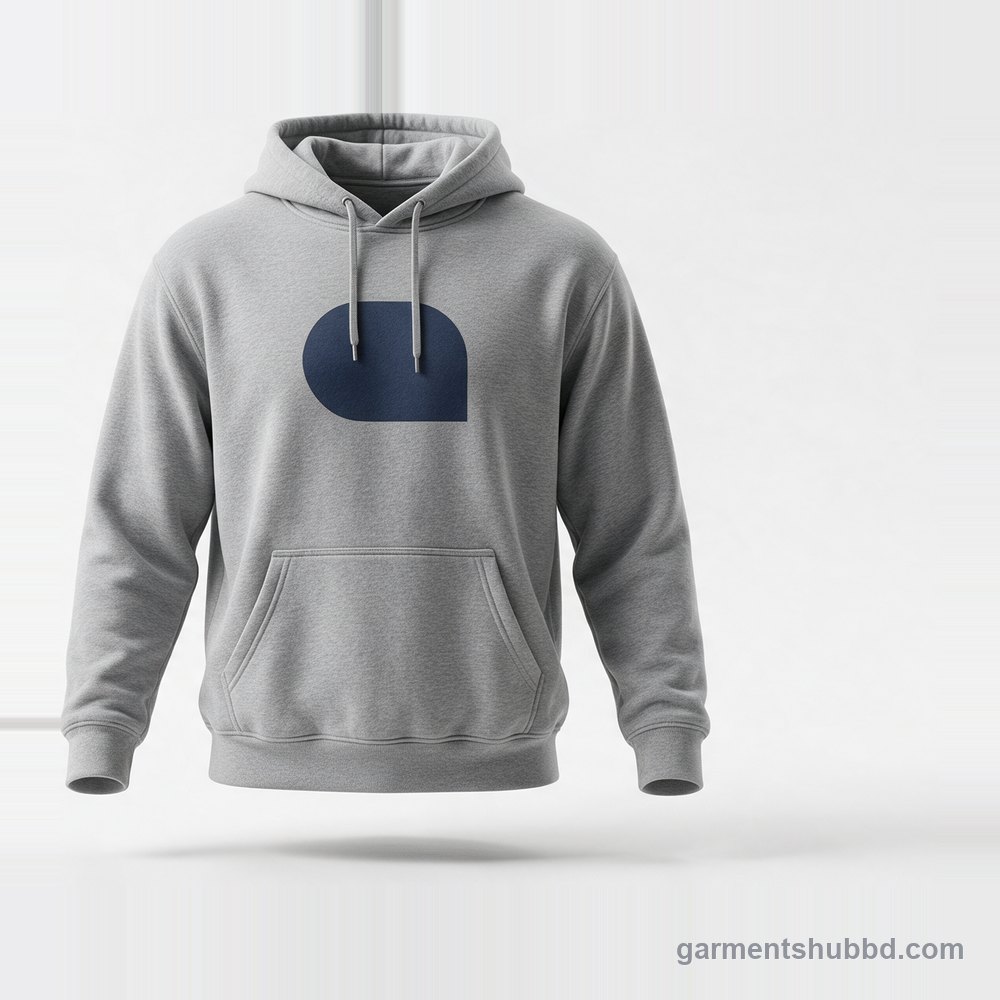
A printed hoodie carries its artwork on fleece, a fabric with a smooth face over a soft, thick back that compresses under heat and pressure. That makes it harder to print than a tee: the ink has to bridge the knit, cure through a thick fabric and stretch with it. Streetwear labels, merchandise suppliers, universities and clubs buy printed hoodies. A printed hoodie manufacturer in Bangladesh approves a strike off on the actual fleece before the bulk print run.
Garments Hub BD has both factories quote the print method, colours and print size you specify, so the two prices compare like for like. Every stage is photographed and the photographs are yours, so the bulk print can be set beside the strike off you signed.
Kinds of printed hoodie
Plastisol screen print
Thick, opaque ink that sits on the fleece face and covers dark grounds. Choose it for bold logos on any colour; it must be cured fully or it cracks in the wash.
Water based and discharge print
Water based ink soaks into cotton; discharge removes the dye and replaces it with colour. Choose them for a soft hand on cotton rich fleece; discharge needs a cotton fleece dyed with dischargeable dyes.
Puff print
An additive in the ink expands during curing, giving a raised, spongy print. Choose it for streetwear logos and lettering; fine detail spreads as the ink rises.
Heat transfer print
Artwork printed on film and pressed onto the hoodie. Choose it for small runs, many colour artwork and names; the press can leave a flattened, shiny box on the fleece around it.
How to specify a printed hoodie
- Artwork
- Vector files with a colour reference for every ink, and the print size in centimetres for every position on the hoodie.
- Method per position
- Screen, discharge, puff or transfer for each print. Mixing methods on one hoodie means more set ups and more approvals.
- Placement over the pocket
- Artwork crossing the kangaroo pocket breaks at its edge. Print the front panel before the pocket is sewn, or keep the design above the pocket mouth.
- Panel or garment printing
- Printing cut panels before sewing gives flatter, more accurate prints; printing finished hoodies allows late changes and small runs.
- Strike off
- A strike off on the actual bulk fleece, in each body colour, approved before bulk printing starts.
- Hand and stretch
- How soft the print should feel, and that it must stretch with the fleece without cracking.
Tests to ask a printed hoodie manufacturer in Bangladesh for
- ISO 6330
- Wash a printed hoodie through several cycles using these domestic washing and drying procedures, then look at the print for cracking, peeling and fading.
- ISO 105-X12
- Dark prints and heavy ink coverage can rub off onto skin and other clothes, so ask for dry and wet rubbing grades taken on the printed area.
- REACH Annex XVII, entry 72
- Formaldehyde in clothing is limited to 75 mg/kg under this entry; some discharge agents and print binders release it, so test printed hoodies sold in the EU.
- CPSIA
- On US children's hoodies, prints and surface coatings are where lead testing falls, with a limit of 90 ppm in paint or surface coatings.
What moves the price of a printed hoodie
- Colours: screen print cost rises with each colour, since each needs a screen and a pass.
- Print size and positions: bigger and more prints mean more ink and more handling.
- Method: puff, discharge and special effect inks cost more than standard plastisol.
- Panel or garment printing: panel printing needs planning before cutting; garment printing is slower per piece.
- Screens and strike offs: set up costs spread over the order, so small runs carry more per piece.
Lead time for printed hoodies
A printed hoodie needs a strike off approved on the actual fleece before bulk printing, which usually adds days to the 7 to 14 day sample. Panel printing has to finish before sewing, so print approval sits on the critical path. Printed hoodie bulk runs 30 to 60 days from the written PP approval. Late artwork changes mean new screens and new strike offs; the quote confirms the dates.
What we check on printed hoodies before shipment
- Print placementPrint position is measured from the neck and centre front on each size, and checked against the kangaroo pocket line.
- Stretch crack testThe printed area is stretched by hand and released to check for cracks or ink lifting from the fleece.
- Cure checkPrints are checked for tackiness, and washed samples for flaking, both signs of under curing on thick fleece.
- Press marksThe area around transfers and prints is checked for flattened, shiny boxes left by the press.
Questions buyers ask about printed hoodies
Which print method suits a fleece hoodie?
Plastisol screen print for bold, opaque colour on any ground; water based or discharge for a soft hand on cotton rich fleece; puff for raised logos; heat transfer for small runs and detailed art. The fleece, the artwork and the quantity decide between them.
Why do prints on hoodies crack?
Usually under curing or ink laid on too thick. Fleece is thick and draws heat away, so the ink may not cure right through, and an under cured print cracks after washing. A stretch and wash check on the strike off catches it.
Can a print run across the kangaroo pocket?
Yes, if the front panel is printed before the pocket is sewn and the pocket is printed to match, but lining the two up is hard. Most designs either stop above the pocket or treat the pocket as a separate print.
Do we need a strike off for every hoodie colour?
For each fleece colour and print method combination, yes. The same ink looks different on black and on grey marl fleece, and discharge results vary with the dye. Approve each one on the actual fabric, and keep the signed strike offs as the reference for bulk.
Get a quote for printed hoodies
Tech pack or sketch with quantities per colour. A compared quote in 48 hours.