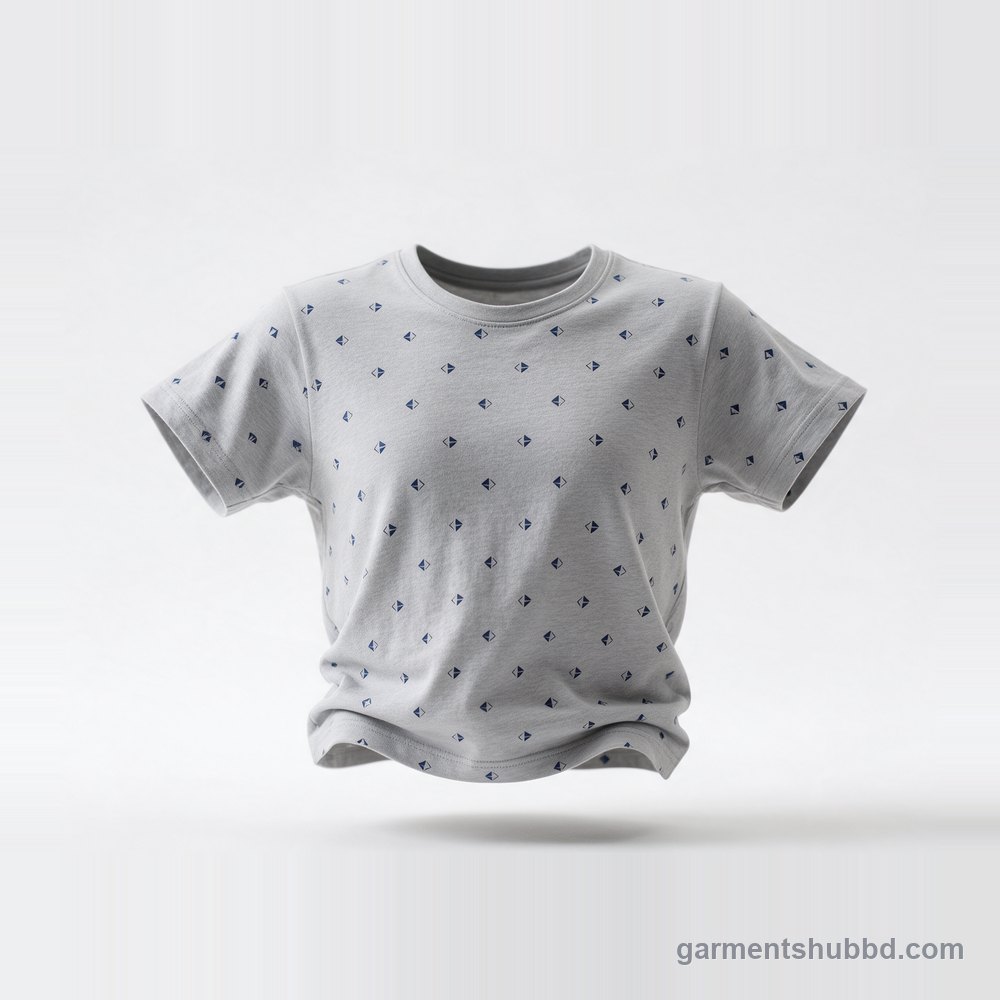
Printed T-shirts, your specification
Made to your tech pack, fabric and colours by a factory matched to the order.
Private label
Your main label, care label, hangtag and polybag. Nominated trims accepted.
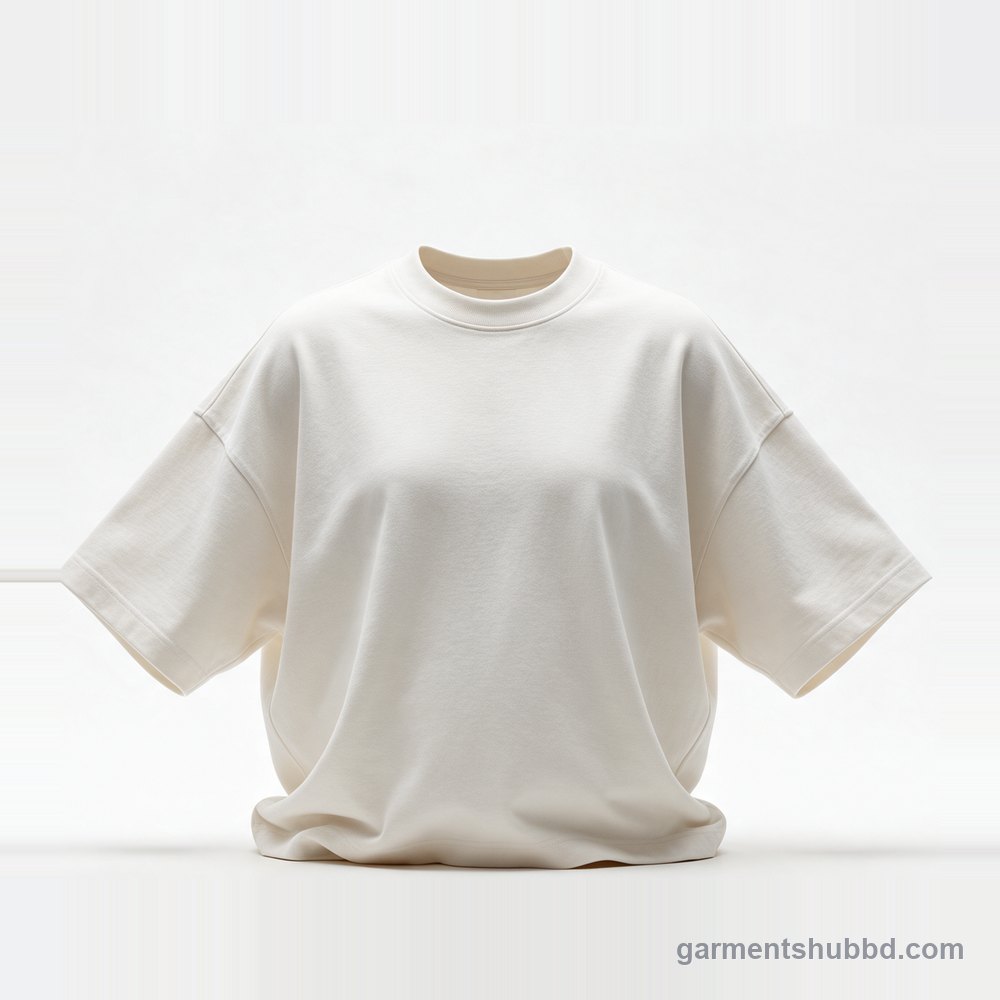
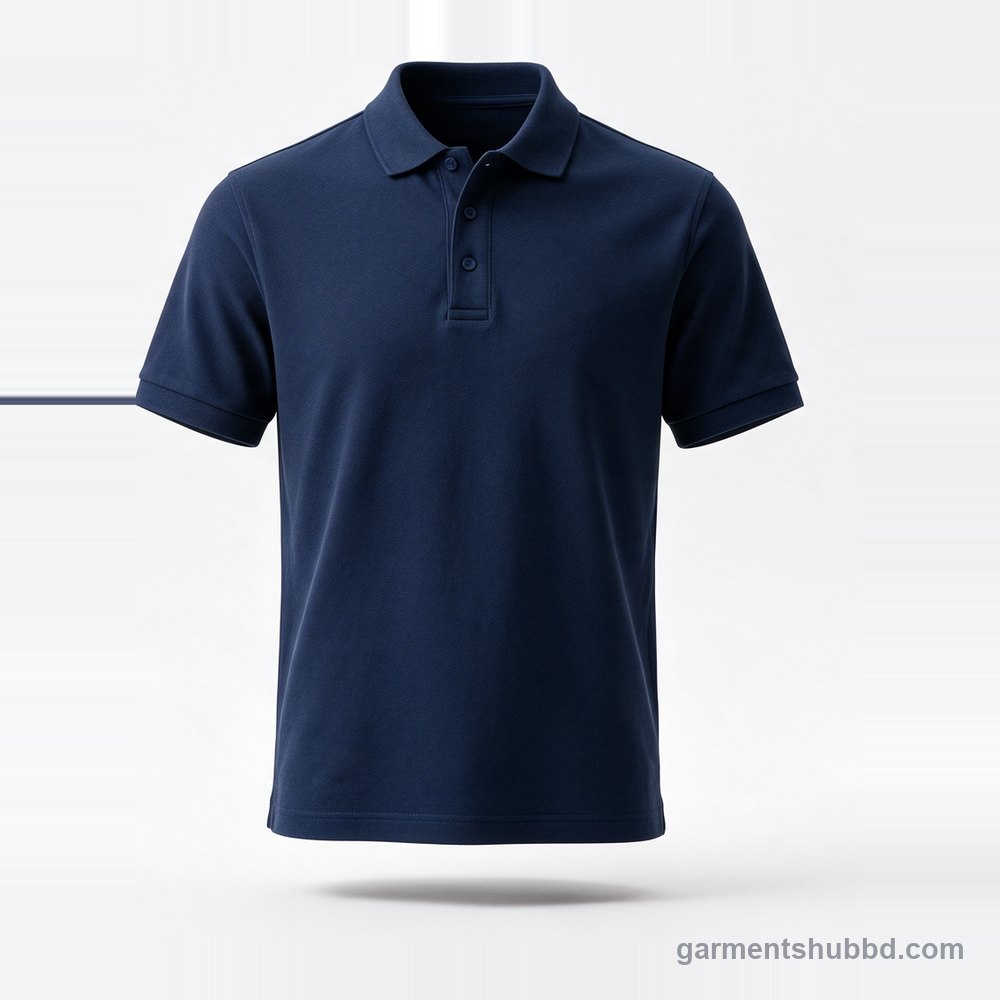
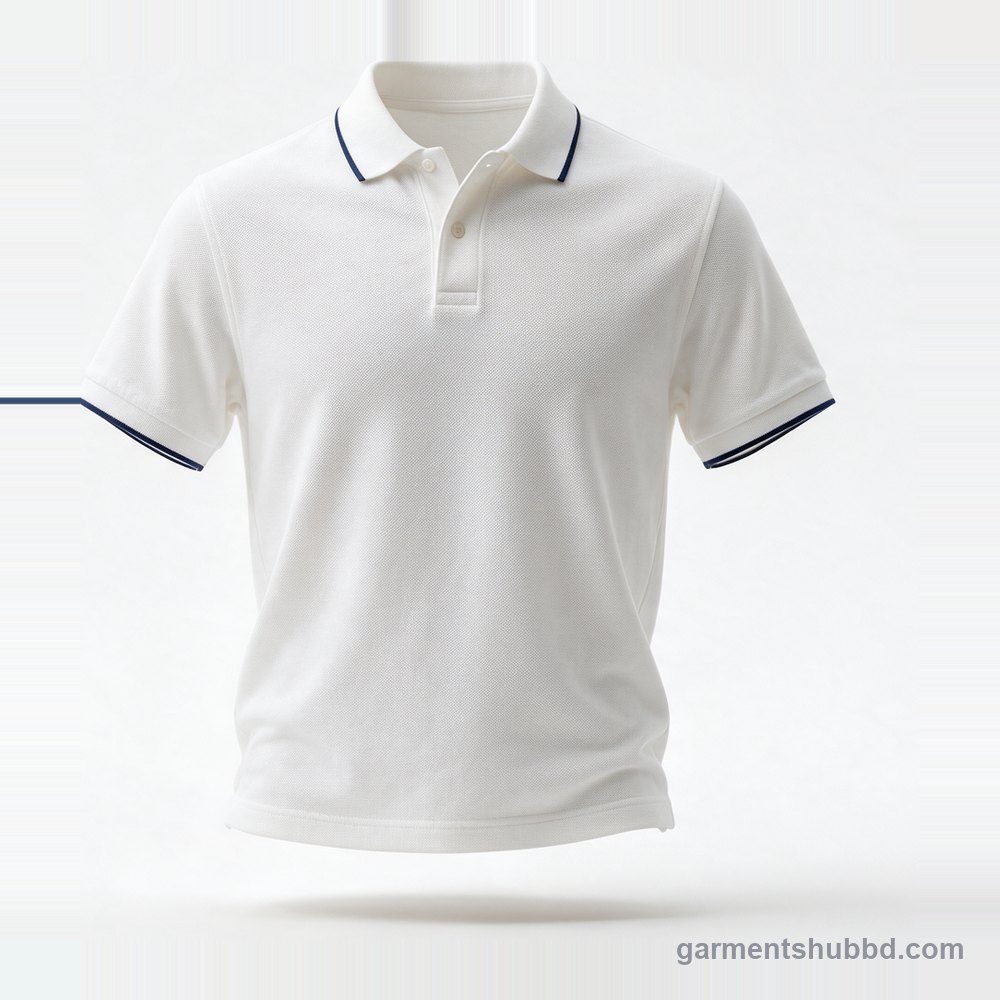
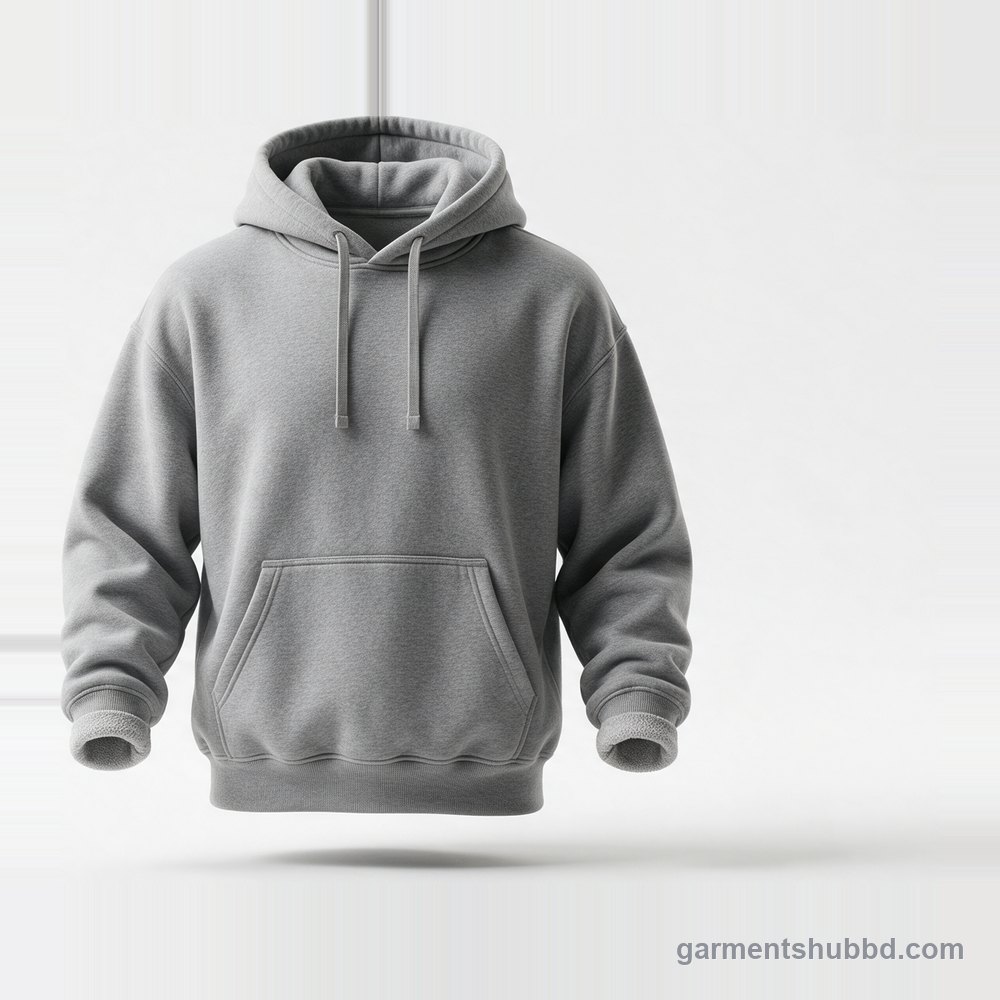
Printed and graphic tees run from a one colour logo on a staff tee to a full colour photograph on a fashion line. Merchandise companies, bands, events and fashion labels buy them, often with several artworks on one body. A printed T-shirt manufacturer in Bangladesh usually prints the cut front and back panels before the tee is sewn, so the print is planned with the cutting, not added at the end.
Garments Hub BD sends your artwork, ink colours and placement with the enquiry, so both factories quote the same method and the same number of screens. Strike offs on your bulk fabric come before the PP sample, and inline inspection follows the first printed panels through curing and an early wash test. Photographs of each strike off come to you for approval.
Kinds of printed T-shirt by print method
Water based screen print
Ink soaks into the cotton rather than sitting on it, so the print feels soft and breathes. Suits light cotton tees and large areas; on dark tees it looks dull unless discharge is used.
Plastisol screen print
Ink that sits on the surface and cures with heat, usually at about 160 degrees Celsius. Opaque and bright on any colour, with a firmer hand; each colour needs its own screen.
Discharge print
Strips the reactive dye from dark cotton and puts colour in its place, so white on black feels like the fabric. Needs dischargeable dyed cotton and does not work on polyester.
Direct to garment (DTG)
An inkjet print onto cotton, pretreated first on dark shades. Photographic detail and any number of colours with no screens, so it suits short runs and many designs.
Heat transfer
Artwork printed on film and pressed on. Suits names, numbers, small multicolour logos and short runs; the edges are where a transfer lifts first.
Sublimation
Dye set into polyester under heat for all over prints on white polyester tees. Nothing to feel on the surface, and it will not take on cotton.
How to specify a printed T-shirt
- Artwork files
- Vector files such as PDF or EPS for screen and transfer work, with every colour named against a colour standard. For DTG, raster images at 300 dpi at final print size.
- Print size and placement
- Give width, height and distance from the neck seam or high point shoulder; a chest print usually starts 7 to 10 cm below the neck seam.
- Placement tolerance
- State how far the print may move, usually within 1 cm, and whether one screen size runs across all sizes or a smaller print goes on small sizes.
- Colours and underbase
- List the colour count. On dark tees a white underbase under plastisol adds a screen and stiffness; discharge avoids it on cotton.
- Strike off
- Ask for a strike off on the bulk fabric and colour before the PP sample, since a print approved on other cloth can change in shade and hand.
Wash and safety tests at a printed T-shirt manufacturer in Bangladesh
- ISO 105-C06
- Wash fastness of the printed area, including staining of the plain ground around it. Ask for it on every ink colour that sits next to white or pale fabric.
- ISO 105-X12
- Rubbing fastness of the print, dry and wet. Pigment and plastisol inks can rub off onto skin and bags, so ask for both results.
- REACH Annex XVII
- Entry 72 limits formaldehyde in clothing to 75 mg/kg, in force since 1 November 2020. Some discharge agents leave formaldehyde behind, so test discharge prints going to the EU.
- US CPSIA
- For children's tees sold in the US, lead testing falls on prints and coatings, not the dyed cotton: at most 90 ppm in surface coatings, tested at a CPSC accepted laboratory.
What moves the price of a printed T-shirt
- Screen count: each colour needs a screen and a set up, spread thinly over large orders.
- Print area and placements: front, back and sleeve prints each add a pass.
- Method: DTG has no set up but costs more per piece; screen print gets cheaper as quantity rises.
- A white underbase on dark tees, specialty inks and puff add ink, screens and curing time.
- Strike offs on bulk fabric add a small cost against the risk of a failed print run.
Lead time for printed T-shirts
Printing adds days on top of a plain tee. Screens are made and strike offs printed while the fabric is dyed; once a strike off is approved, panels are printed after cutting and cured before they go to sewing. Discharge and DTG on dark tees add pretreatment or test time, and a strike off that fails its wash test means another round. The quote shows the print days inside the bulk plan.
What we check on printed T-shirts before shipment
- Print placementPrint position is measured from the shoulder point and centre front on each size against the specification.
- Cure and adhesionEarly bulk pieces are washed and stretched; a print that cracks, peels or fades points to under curing and is reported before the run continues.
- Colour against the strike offPrinted colours are compared with the approved strike off in a light box, including the white of discharge prints.
- Registration and edgesMulticolour prints are checked for colours lining up, and transfers for edges lifting after a wash.
Questions buyers ask about printed T-shirts
Which print method suits a photographic graphic on a small order?
DTG on cotton is usually the answer: no screens, full colour and fine detail, priced per piece. On white polyester, sublimation does the same with nothing to feel. Screen printing a photograph needs many screens and halftones, which only pays back on larger runs.
How do I get a white print on a black tee without a heavy feel?
Use discharge on cotton dyed with dischargeable reactive dyes. It removes the black and leaves a soft, near white that can be tinted. A plastisol white is brighter but sits on top and feels firmer. Test the discharge strike off for colour and, for the EU, for formaldehyde.
What artwork files do factories need?
Vector files with fonts outlined for screen print and transfers, and high resolution raster images at 300 dpi at print size for DTG and sublimation. Add a mock up showing sizes and placement, and a colour reference for every ink.
Will the print crack after washing?
Not if it is cured properly, matched to the fabric and printed with an ink that stretches with jersey. Cracking usually comes from under curing or a stiff ink on stretchy cloth. Ask for a wash test of the strike off, and check early bulk pieces after a wash before the run continues.
Get a quote for printed T-shirts
Tech pack or sketch with quantities per colour. A compared quote in 48 hours.